



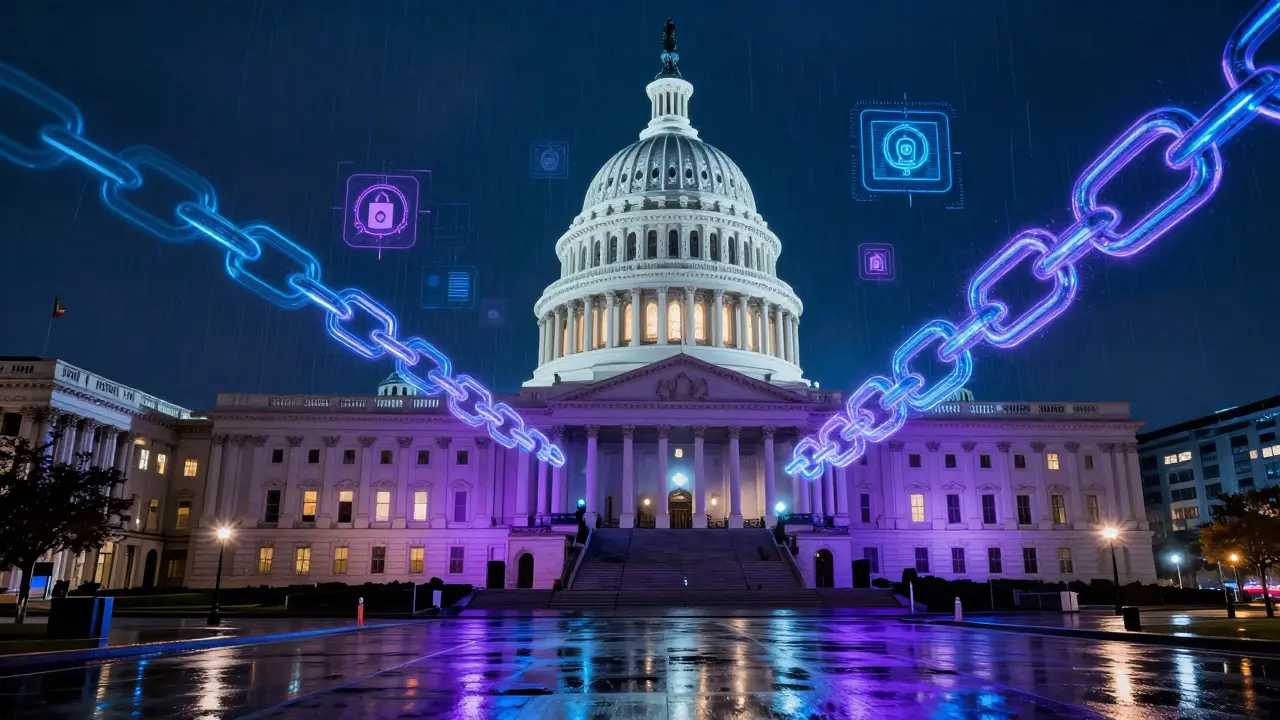
The GENIUS Act represents the United States' first comprehensive federal regulatory framework for stablecoins. Signed into law by President Donald J. Trump on July 18, 2025, this legislation brings much-needed order to the rapidly evolving digital currency space. It takes effect on January 18, 2027, or 120 days after final regulations are issued-whichever comes first. This isn't just another regulation; it's a foundational shift for how stablecoins operate in the US.
What the GENIUS Act Actually Does
At its core, the GENIUS Act targets payment stablecoins digital assets designed to be used as a means of payment or settlement where the issuer is obligated to redeem for a fixed amount of monetary value and maintains stable value relative to that fixed monetary value. These are tokens like USDC or USDT that aim to keep a stable value, usually pegged to the US dollar. Before this law, stablecoins operated in a regulatory gray area. Now, they're under federal oversight to protect consumers and ensure market stability.
Who Can Issue Stablecoins Under This Law?
Only certain institutions can issue payment stablecoins. insured depository institutions including banks, credit unions, and bank subsidiaries are automatically permitted. Nonbank financial institutions must get Federal Reserve approval and prove they can meet the requirements. This stops random companies from creating stablecoins without proper oversight. It's a clear rule: you need to be a regulated financial institution to issue these tokens.
Strict Reserve Rules for Stability
Every stablecoin issued must have a 1:1 reserve. This means for every dollar of stablecoin in circulation, there's a dollar in reserves. But these reserves can't just be sitting in a vault-they must be in US Treasury bills short-term government debt securities, repurchase agreements short-term loans collateralized by securities, or other low-risk assets approved by regulators. Issuers must report reserve details regularly and undergo audits by registered public accounting firms. No more guessing if your stablecoin is actually backed.

Anti-Money Laundering and Consumer Protections
All issuers must comply with the Bank Secrecy Act a US law requiring financial institutions to assist government agencies in detecting money laundering and terrorism financing. This means strong anti-money laundering measures to prevent illicit financial activities (AML) and counter-financing of terrorism (CFT) protocols. It also boosts consumer protections. If you hold a stablecoin, you'll have more confidence it's regulated and safe from fraud.
Operational Limits and Custody Requirements
Issuers can only do three things: issue and redeem stablecoins, manage reserves, and provide custodial services. They can't commingle assets unless specifically allowed. Custody services for stablecoins or private keys must be handled by entities under federal or state banking oversight. Importantly, federal regulators can't treat custody assets as liabilities on financial statements or require extra capital for them, except for operational risks. This keeps things clear while protecting users.

The Stablecoin Certification Review Committee
The Stablecoin Certification Review Committee a regulatory body chaired by the Treasury Secretary, Federal Reserve Chair, and FDIC Chair is a key part of the framework. This committee decides if state regulations match federal standards. It aims to prevent fraud and ensure consistency across the US. However, states may still have their own rules, so some fragmentation remains. The SCRC's role is critical in balancing federal oversight with state-level flexibility.
Implementation Timeline and Market Impact
The law gives issuers 18 months to comply or 120 days after regulations are issued-whichever comes first. This timeline allows time to build infrastructure and train staff. Industry experts see this as a major step toward legitimacy. It helps maintain the US dollar's global status and positions America as a leader in digital assets. While questions about state vs federal overlap remain, the GENIUS Act is a clear move toward stability and trust in the stablecoin market.
Frequently Asked Questions
What exactly is a payment stablecoin?
A payment stablecoin is a digital asset designed to be used as money, with a stable value usually pegged to the US dollar. For example, USDC and USDT are payment stablecoins. The GENIUS Act defines them as tokens where the issuer must redeem them for a fixed amount of monetary value and maintain that stable value. This distinguishes them from other types of cryptocurrencies that can be volatile.
Who can issue stablecoins under the GENIUS Act?
Only insured depository institutions like banks and credit unions, or nonbank financial institutions approved by the Federal Reserve. These entities must prove they have the capability to meet the reserve and compliance requirements. This prevents unregulated companies from issuing stablecoins, reducing risks for consumers.
What are the reserve requirements for stablecoins?
Every stablecoin issued must have a 1:1 reserve. The reserves must be in US Treasury bills, repurchase agreements, or other low-risk assets approved by regulators. Issuers must report reserve details regularly and undergo audits by registered public accounting firms. This ensures transparency and prevents issues like the ones seen in past stablecoin collapses.
How does the GENIUS Act affect existing stablecoins like USDC?
Existing stablecoin issuers like Circle (USDC) and Tether (USDT) must now comply with the GENIUS Act's requirements. This means they need to operate through regulated institutions, maintain proper reserves, and follow AML/CFT rules. While this adds compliance costs, it also brings legitimacy and trust, potentially increasing adoption in traditional finance.
What happens if a state has different regulations?
The GENIUS Act allows states to have their own regulations, but the Stablecoin Certification Review Committee (SCRC) determines if they're "substantially similar" to federal rules. If not, federal rules take precedence. This aims to prevent a patchwork of conflicting regulations, though some overlap may still occur. The SCRC's role is to ensure consistency while respecting state authority.