



If you're searching for a crypto exchange a platform for buying, selling, and trading cryptocurrencies review for Yum Yum, you're hitting a dead end. There's no reliable information about this platform anywhere. No official website, no regulatory filings, no user reviews, nothing. And that's a huge red flag in the crypto world. Legitimate exchanges don't hide. They're transparent about who they are and how they operate.
Imagine going to a bank and being told, "We're a bank, but we won't tell you where we're located, who runs it, or how your money is protected." That wouldn't make sense. The same goes for crypto exchanges. If you can't find basic details about an exchange, it's a sign you should walk away.
Regulatory Compliance: The First Thing to Check
Every legitimate crypto exchange must comply with financial regulations. In Canada, exchanges need registration with FINTRAC. In the US, they need to be licensed by state regulators and follow SEC guidelines. The European Union has MiCA rules. If an exchange like Yum Yum doesn't have clear regulatory status, that's a major issue.
Check for a license number on their website. Look for official regulatory body listings. For example, Coinbase is registered with the New York State Department of Financial Services. Kraken has a license from the UK's FCA. If you can't find this information, the exchange isn't operating legally. Always verify this before using any platform.
Security Measures: Cold Storage and More
Prioritizing crypto exchange security isn't optional-it's essential for protecting your assets. Reputable exchanges store 90-95% of funds in cold storage-offline wallets not connected to the internet. This prevents hackers from accessing them. For example, Binance publishes quarterly proof-of-reserves reports showing their cold storage usage.
Also, check for multi-factor authentication (MFA). All legitimate exchanges require MFA for account access. If an exchange doesn't offer MFA, that's a huge red flag. Encryption standards matter too. Look for TLS 1.2+ encryption and regular security updates. Yum Yum doesn't mention any security measures, which is alarming.
Security Audits: Third-Party Verification
Independent security audits are a must. Reputable firms like CertiK, Hacken, or Quantstamp audit exchanges. These audits check for vulnerabilities in code and infrastructure. For instance, Coinbase has had multiple audits from top firms. If an exchange doesn't publish audit reports or uses unknown auditors, it's risky.
Check the audit date. A 2023 audit is good; a 2015 audit is outdated. If Yum Yum has no audit information, it's likely not secure. Always look for publicly available audit reports before trusting an exchange.
User Reviews and Transparency
User reviews can tell you a lot. But don't just look at the exchange's own website-they often showcase only positive feedback. Check independent sites like Trustpilot, Reddit, or CryptoSlate. For example, Binance has thousands of reviews on Trustpilot with both pros and cons.
Look for consistent patterns. If multiple users report withdrawal issues or scams, that's a red flag. If there are no independent reviews at all, that's another warning sign. Yum Yum has zero independent reviews, which is a major concern.

Trading Fees and Hidden Costs
Clear fee structures are essential. Legitimate exchanges list all fees upfront-trading fees, withdrawal fees, deposit fees. For example, Kraken shows fees on their website with clear examples. Hidden fees are a scam tactic.
Compare fees across exchanges. If Yum Yum's fees are too good to be true (like 0% fees), that's usually a red flag. Scam exchanges often lure users with low fees but then charge hidden costs or disappear with funds.
Red Flags to Watch For
Here are common signs of a scam exchange:
- No physical address or office location
- Anonymous team members with no LinkedIn profiles
- Promises of guaranteed high returns
- Pressure to invest quickly
- Unprofessional website design or grammar errors
- Lack of customer support contact info
If Yum Yum exhibits any of these, it's a scam. Always research thoroughly before investing.
Checklist for Safe Crypto Exchange Use
Before using any crypto exchange, verify these points:
- Regulatory registration with a known authority
- Public proof of cold storage usage
- Recent third-party security audits
- Independent user reviews on Trustpilot or Reddit
- Transparent fee structure with no hidden costs
- Clear contact information and team details
These checks take minutes but can save you from massive losses. Never skip them.
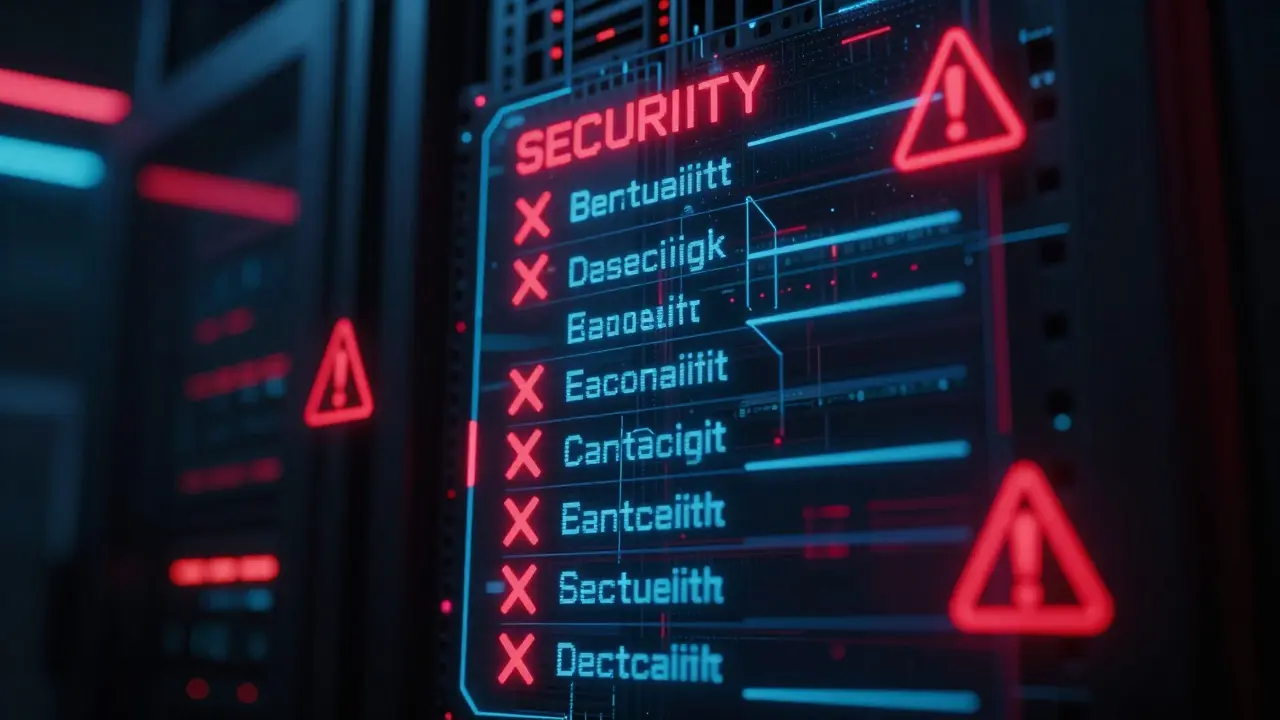
Key Security Features to Check
| Feature | What to Look For | Red Flags |
|---|---|---|
| Regulatory Compliance | Registered with financial authorities like SEC or FCA | No license information available |
| Cold Storage | Public proof of 90%+ assets in cold storage | Claims but no third-party verification |
| Security Audits | Recent audits from reputable firms like CertiK | Old or no audit reports |
| Multi-Factor Authentication | Mandatory for all user accounts | No MFA option or weak implementation |
| User Reviews | Independent reviews on Trustpilot or Reddit | Only positive reviews on official site |
What to Do If You Find a Suspicious Exchange
If you encounter an exchange like Yum Yum with no information:
- Avoid using it entirely
- Report it to authorities like FINTRAC in Canada or the SEC in the US
- Warn others on forums like Reddit's r/CryptoCurrency
- Stick to well-established exchanges like Coinbase, Kraken, or Gemini
Your safety comes first. Don't let curiosity override caution.
FAQ
Is Yum Yum a legitimate crypto exchange?
There's no verifiable information about Yum Yum. Legitimate exchanges have clear regulatory status, security details, and user feedback. If you can't find this information, it's best to avoid the platform. Always prioritize exchanges with proven track records like Coinbase or Kraken.
How do I know if a crypto exchange is safe?
Check for regulatory compliance, security measures like cold storage and multi-factor authentication, third-party security audits, transparent fee structures, and genuine user reviews. If any of these are missing, the exchange might not be safe. Always do your homework before investing.
What should I do if I find a crypto exchange with no information?
Don't use it. Scam exchanges often hide their details. Stick to well-known platforms with proven track records like Coinbase or Kraken. Report the suspicious exchange to financial authorities in your country to help protect others.
Why is cold storage important for crypto exchanges?
Cold storage keeps most assets offline, protecting them from hackers. Reputable exchanges store 90-95% of funds in cold storage. If an exchange doesn't disclose their cold storage practices, they're not taking security seriously. Always verify this before trusting an exchange with your funds.
Can I trust user reviews on an exchange's website?
No. Exchanges often display only positive reviews. Always check independent sites like Trustpilot or Reddit for honest feedback. Look for consistent patterns in complaints or praise. If there are no independent reviews, that's a red flag.



Comments
24 Comments
Shruti Sharma
Yum Yum is a scam.
Brittany Novak
This is clearly a government plot to control crypto. Yum Yum is a front for the NSA. You need to be vigilant. Always check for hidden agendas.
Jacque Istok
Yum Yum has no regulatory info? That's a red flag. Legitimate exchanges like Coinbase have clear licenses. Always verify before using any platform. Also, check for cold storage and audits. Don't trust anything that's not transparent. Oh wait, but Yum Yum isn't even on the radar. How do you even find it? It's a ghost exchange. Classic scam move.
Deeksha Sharma
Every new platform has challenges. Maybe Yum Yum is still developing. But transparency is key. Without it, trust is impossible. Still, we should encourage growth in the crypto space.
Taybah Jacobs
Your point about encouraging growth is valid. However, without regulatory compliance and security measures, it's irresponsible to promote unverified platforms. Safety should always come first.
Udit Pandey
Yum Yum is a disgrace to the crypto industry. It lacks transparency and regulatory compliance. This is unacceptable. We need strict regulations to protect investors. Always check for licenses before using any exchange.
Sharon Lois
Regulations? More like control. Yum Yum is probably the only honest exchange. All others are shills for the government. Trust me, I know.
mahikshith reddy
Yum Yum is a scam. No info. Avoid. Simple as that.
Brendan Conway
Maybe there's a reason for no info. Maybe they're just new. But I agree, better to be safe. Check for red flags.
Oliver James Scarth
While it's possible for new platforms to have limited information, the absence of regulatory filings and security details is alarming. Legitimate exchanges are transparent by design. This lack of openness is a clear indicator of potential fraud.
Michelle Anderson
Yum Yum is a fraud. Zero transparency. Don't touch it. Period.
Danica Cheney
Yum Yum is a scam. No info. Avoid.
Kyle Pearce-O'Brien
Yum Yum lacks the requisite transparency and regulatory adherence that characterizes legitimate crypto exchanges. The absence of verifiable information is a cardinal red flag. One must exercise extreme caution when dealing with such opaque entities. 🚩
Matthew Ryan
I agree that transparency is crucial. However, maybe Yum Yum has a good reason for not disclosing details. We should not jump to conclusions.
Nathaniel Okubule
Transparency is non-negotiable in crypto. Without it, users are at risk. Always verify before investing. Safety first.
Robin Ødis
Yum Yum is a complete fraud. There's no legitimate reason for not having regulatory filings or security details. It's obvious they're trying to hide something. People should avoid it at all costs. This is why crypto is so dangerous-scams everywhere. Always check for licenses and audits. Don't be fooled.
Joshua Herder
Actually, maybe Yum Yum is being cautious. Not all exchanges need to be transparent. Maybe they have good reasons. It's not always about hiding. Sometimes it's about privacy. You're jumping to conclusions too quickly.
Brittany Coleman
Transparency is important but maybe Yum Yum is still developing. Let's not jump to conclusions. Stay open.
Molly Andrejko
Your point is well taken. However, in the crypto space, transparency is non-negotiable. Without clear regulatory status and security measures, users are at risk. It's better to be safe than sorry. Always verify before using any platform.
Alisha Arora
Yum Yum is a scam. No info. Avoid. Simple.
Michael Sullivan
Scam. No info. Avoid. 🚩🔥
Reda Adaou
Always check for regulatory compliance and security measures. Transparency is key. Be safe.
perry jody
Totally agree! Always verify before investing. Safety first! 💪🔒
Paul Gariepy
Yum Yum is a total scam! No information anywhere! Seriously, how can anyone trust this? Its so shady! Always check regulatary stuff first! Like, duh! But yeah, this is a red flag! Dont use it! For example, Coinbase has clear licenses and security measures! Kraken has cold storage and audits! Always verify before investing! Dont be a victim! Stay safe! Check the official websites! Dont trust anything that's not transparent! Its so important to do your research! Dont let greed cloud your judgment! Always be cautious!
Write a comment