

You found an ad for MoonDex promising high yields and easy trading, but something feels off. You are not alone in this suspicion. As of September 2026, there is no verifiable record of a major, regulated cryptocurrency exchange operating under the name "MoonDex" in primary financial databases or reputable industry reports.
This article breaks down why you likely cannot find solid data on MoonDex, how it compares to established platforms like Coinbase or Kraken, and what red flags you should watch for before depositing a single dollar. If you are looking for a safe place to trade, understanding the difference between a legitimate exchange and a potential impersonation scam is critical.
The Search for MoonDex Data
When you search for "MoonDex," you might expect to see user reviews, fee structures, or regulatory licenses pop up immediately. Instead, you often find silence or vague marketing pages with little substance. This absence of data is a significant signal. In the crypto world, transparency is currency. Major exchanges like Coinbase or Kraken have thousands of verified reviews across platforms like Trustpilot, NerdWallet, and Reddit.
If a platform claims to be a global exchange but lacks presence in these trusted aggregators, it raises immediate questions about its longevity and legitimacy. Often, new or obscure projects use names that sound familiar to trick users into thinking they are dealing with a known entity. For instance, many users confuse MoonPay, a well-known crypto payment processor, with non-existent or minor entities like MoonDex. MoonPay allows users to buy crypto via credit cards and Apple Pay, serving over 30 million users. MoonDex, by contrast, does not appear in authoritative lists of top exchanges for 2025-2026.
Potential Confusion with Established Platforms
It is highly probable that MoonDex is either a very small, unregulated Decentralized Exchange (DEX) or a fraudulent platform mimicking larger brands. Let's look at the landscape of legitimate options to understand what you are missing out on if you stick with an unknown entity.
| Feature | Coinbase | Kraken | Binance US | MoonDex (Estimated) |
|---|---|---|---|---|
| Regulatory Status | Publicly traded, SEC compliant | Licensed in multiple jurisdictions | Fully regulated in US | Unknown/Unverified |
| Asset Count | 235+ | 350+ | 158+ | Unclear |
| Trading Fees | 0% - 3.99% | 0% - 0.4% | 0% - 0.6% | Often hidden/high |
| User Base | Millions globally | Millions globally | Large US base | Negligible/None cited |
| Security Audits | Regular third-party audits | Proof of Reserves available | SOC 2 Type II certified | No public records |
The table above highlights a stark reality. Established exchanges provide proof of reserves, clear fee schedules, and regulatory compliance. An entity like MoonDex, lacking this information, forces you to take a leap of faith-a dangerous move when your capital is involved.
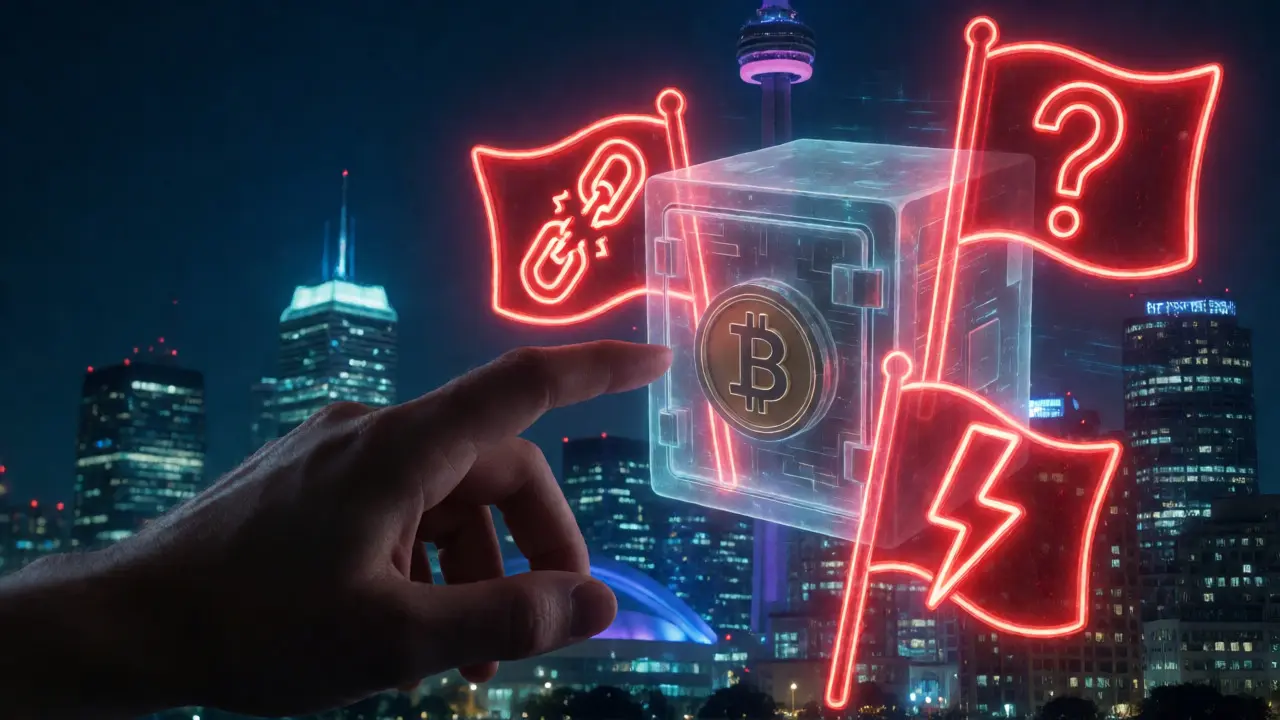
Red Flags of Potential Crypto Scams
Why do fake exchanges exist? They prey on FOMO (Fear Of Missing Out). Scammers create websites that look professional, complete with charts and login portals, but the backend is rigged. The California Department of Financial Protection and Innovation specifically warns about platforms that impersonate legitimate services. Here are common signs that MoonDex might fall into this category:
- No Regulatory License: Check if the platform is registered with FINRA, the SEC, or equivalent bodies in Canada (like CIRO). If you cannot find their license number, walk away.
- Guaranteed Returns: No legitimate exchange guarantees profits. If MoonDex promises fixed daily returns, it is likely a Ponzi scheme.
- Difficulty Withdrawing: A classic scam tactic is allowing deposits easily but blocking withdrawals until you pay "taxes" or "fees."
- Anonymous Team: Legitimate exchanges list their leadership team on LinkedIn. If the founders are anonymous, trust levels should drop significantly.
Consider the case of other failed platforms. Many users lost funds because they ignored these basic checks. Don't let a slick website design convince you that a platform is secure. Security is about code audits, insurance policies, and regulatory oversight, not just graphics.
Decentralized Exchanges: Could MoonDex Be One?
There is a chance MoonDex is a small Decentralized Exchange (DEX) rather than a centralized one. DEXs operate on smart contracts without holding custody of your funds. However, even DEXs have reputations. Platforms like Uniswap or PancakeSwap have massive liquidity pools and active communities.
If MoonDex is a DEX, where is its TVL (Total Value Locked)? Sites like DefiLlama track this metric in real-time. If MoonDex has less than $1 million in TVL, it is extremely risky. Low liquidity means high slippage-when you try to sell a token, the price crashes because there aren't enough buyers. Furthermore, small DEXs are prone to "rug pulls," where developers drain the liquidity pool and disappear with investors' money.

What Should You Do Next?
If you already have funds in MoonDex, act fast. Try to withdraw a small amount immediately. If the withdrawal works, test a larger amount. If you encounter delays, error messages, or requests for additional fees, stop adding money.
For those still considering signing up, here is a practical checklist:
- Verify Domain Age: Use WHOIS lookup tools. If the domain was created last month, be skeptical.
- Check Social Media Sentiment: Look for complaints on Twitter/X or Telegram groups. Ignore paid influencers; look for organic user feedback.
- Compare Fees: Calculate the total cost of a trade including spread and network fees. Compare this against Coinbase or Kraken.
- Read Terms of Service: Look for clauses that allow them to freeze accounts without notice.
Remember, in crypto, "not your keys, not your coins" applies heavily to centralized exchanges. But even more so, if the exchange itself is dubious, your keys don't matter if the platform vanishes.
Alternatives to Consider
Instead of gambling on an unknown entity like MoonDex, consider sticking with platforms that have weathered market cycles. Crypto.com offers a wide range of assets and strong mobile usability. Gemini is known for its strict security standards and insurance coverage for digital assets. These platforms charge slightly higher fees sometimes, but the peace of mind is worth the premium.
If you are in Canada, as I am here in Toronto, ensure the exchange supports CAD deposits and complies with local regulations. Using a non-compliant exchange can lead to tax reporting nightmares later. Always prioritize platforms that offer clear transaction history exports compatible with Canadian tax software.
Is MoonDex a legitimate crypto exchange?
As of late 2026, MoonDex does not appear in major regulatory databases or reputable financial reviews. It lacks the verifiable track record, user volume, and regulatory licensing of established exchanges like Coinbase or Kraken, raising significant concerns about its legitimacy.
How is MoonDex different from MoonPay?
MoonPay is a widely recognized crypto payments processor integrated into hundreds of apps, allowing users to buy crypto with fiat currencies. MoonDex appears to be a separate, possibly fictitious or very minor entity, potentially causing confusion due to similar naming conventions.
What are the risks of using an unverified exchange like MoonDex?
Risks include loss of funds due to lack of insurance, inability to withdraw money, hidden fees, poor customer support, and potential fraud or rug-pull schemes common in unregulated markets.
Can I trust reviews on the MoonDex website?
Reviews hosted directly on a company's own website can be curated or fabricated. It is safer to rely on third-party platforms like Trustpilot, Reddit, or independent financial news outlets for unbiased user experiences.
What should I do if I have funds stuck in MoonDex?
Attempt to withdraw a small test amount first. If successful, withdraw the rest immediately. If blocked, contact support in writing and document all interactions. Consider filing a complaint with consumer protection agencies or your bank if you used a credit card.