



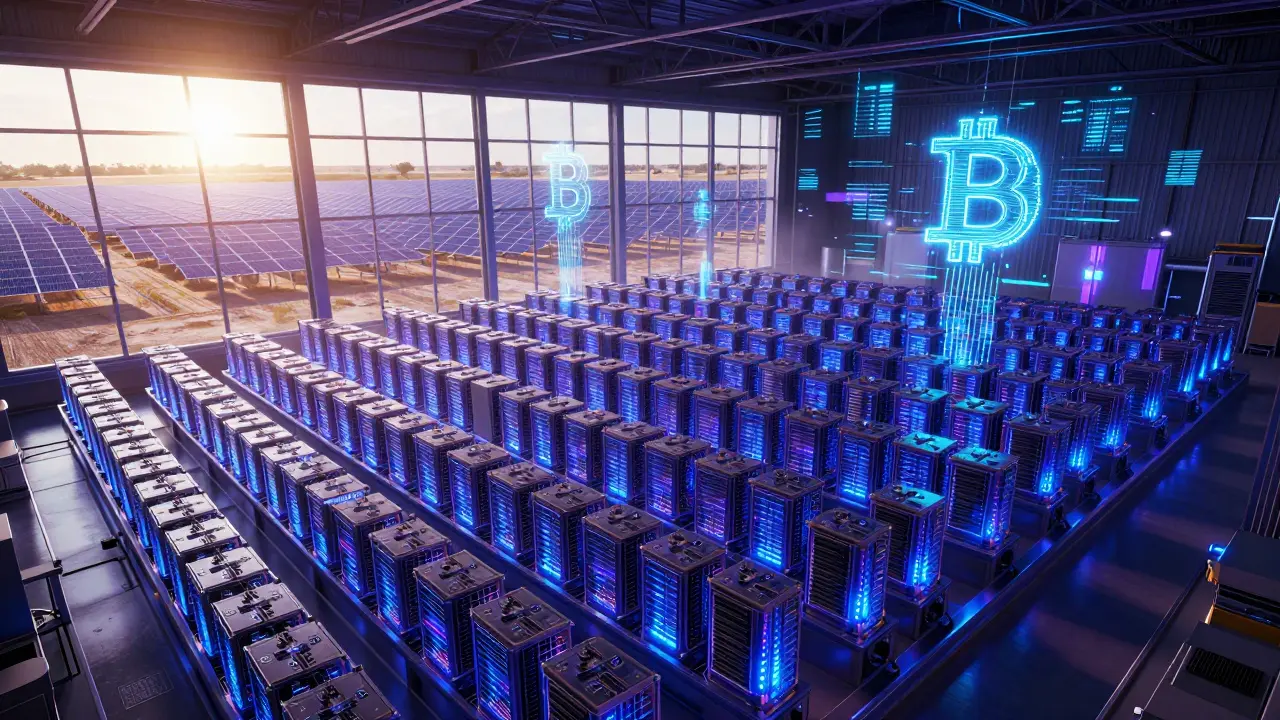
Picture this: a massive warehouse in the Texas heat, humming with thousands of machines churning out Bitcoin. Now imagine that same warehouse powered entirely by the wind whipping across the plains or the sun beating down on solar panels. This isn't just a dream; it's the operational reality for half of the global Bitcoin mining industry as of 2026.
The narrative around cryptocurrency and climate change has shifted dramatically. A few years ago, critics painted miners as environmental villains burning coal in remote corners of the world. Today, the data tells a different story. According to the Cambridge Centre for Alternative Finance’s 2025 Digital Mining Industry Report, sustainable energy sources now account for 52.4% of total Bitcoin mining energy usage. That means more than half of the network runs on clean power. But how did we get here? Is it genuine progress or just greenwashing? And what does it mean for your investment or your business strategy?
The Shift from Coal to Clean Power
To understand where we are, you have to look at where we started. Early mining operations were opportunistic. They went wherever electricity was cheapest, which often meant regions reliant on coal or stranded natural gas. The 2024 Bitcoin halving changed the math completely. When block rewards dropped from 6.25 BTC to 3.125 BTC, margins vanished overnight. Miners could no longer afford inefficient setups or expensive fossil fuels.
This economic pressure forced a pivot. The industry didn't just switch sources; it restructured its relationship with the grid. We saw a move away from spot-market electricity purchases toward long-term contracts and dedicated infrastructure. The result? A significant drop in coal dependency and a surge in renewable adoption. Natural gas remains the largest single source at 38.2%, but it’s increasingly used as a backup rather than a primary fuel, especially when paired with carbon capture technologies.
The key driver here is cost predictability. Solar and wind power, once stabilized with battery storage or grid integration, offer fixed rates over decades. For an operation running 24/7, that stability is worth more than the occasional dip in spot prices.
How Miners Act as Virtual Batteries
Here’s the part most people miss: modern mining rigs aren’t just consumers of energy; they’re flexible load managers. Think of them as virtual batteries. In states like Texas, wind turbines often generate more power than the grid can handle during peak windy periods. This excess energy, known as curtailment, is usually wasted.
Miners step in to absorb this surplus. They ramp up their hash rate when wind speeds are high and dial back when demand spikes elsewhere. This creates a symbiotic relationship. In Texas alone, miners consume about 32% of the state’s curtailed wind energy. By paying premium rates during these surplus windows, they provide revenue streams that incentivize developers to build more wind capacity. Since 2020, wind expansion in Texas has grown by 8% annually, partly thanks to mining demand.
This dynamic turns mining facilities into grid stabilizers. Instead of relying on dirty "peaker plants" (fossil-fueled generators turned on only during high demand), the grid uses mining loads to balance supply and demand. It’s a practical application of smart grid technology that benefits everyone, not just the miners.
Leading Players in Green Mining
Not all miners are moving at the same speed. Some have built their entire brand around sustainability, creating competitive advantages that attract ESG-focused investors. Let’s look at who is leading the charge.
| Company | Primary Energy Source | Key Strategy |
|---|---|---|
| Gryphon Digital Mining | Flare Gas (Methane) | Carbon-negative operations by converting waste emissions into power |
| CleanSpark | Mixed Renewables | Multi-source portfolio + HPC/AI diversification in Pennsylvania |
| TeraWulf | Nuclear & Hydro | Weather-independent baseload power for consistent uptime |
| Iris Energy | 100% Renewable | Modular facilities focused exclusively on clean energy |
Gryphon stands out because it tackles methane directly. By capturing flare gas-waste methane burned off at oil sites-they turn a potent greenhouse gas into Bitcoin. It’s a win-win: reduced emissions and cheap power. TeraWulf takes a different route, betting on nuclear and hydroelectric power. These sources provide baseload power, meaning they don’t fluctuate with the weather like solar or wind. This consistency is crucial for maintaining high hash rates without interruption.
The Debate: Real Impact vs. Grid Strain
Despite the progress, skepticism remains. Environmental groups like Earthjustice and the Sierra Club argue that mining doesn’t actually help decarbonize the grid. Their point? Miners often plug into existing grids that are still largely fossil-fuel dependent. Even in places with abundant hydro power, like the Pacific Northwest, less than half of mining ops use truly renewable sources.
Steven Ferrey, an energy law expert, highlights a critical issue: displacement. If a mining farm consumes all the cheap, clean hydro power available, local businesses and residents might be forced to buy more expensive, dirtier energy from other sources. This "leakage" effect undermines the net environmental benefit.
Then there’s the community impact. In Texas, residents near mining sites have filed lawsuits citing noise pollution from cooling fans. This backlash has led to local ordinances threatening operations. It’s a reminder that technical efficiency isn’t enough; social license to operate matters just as much.
Global Variations: Successes and Bans
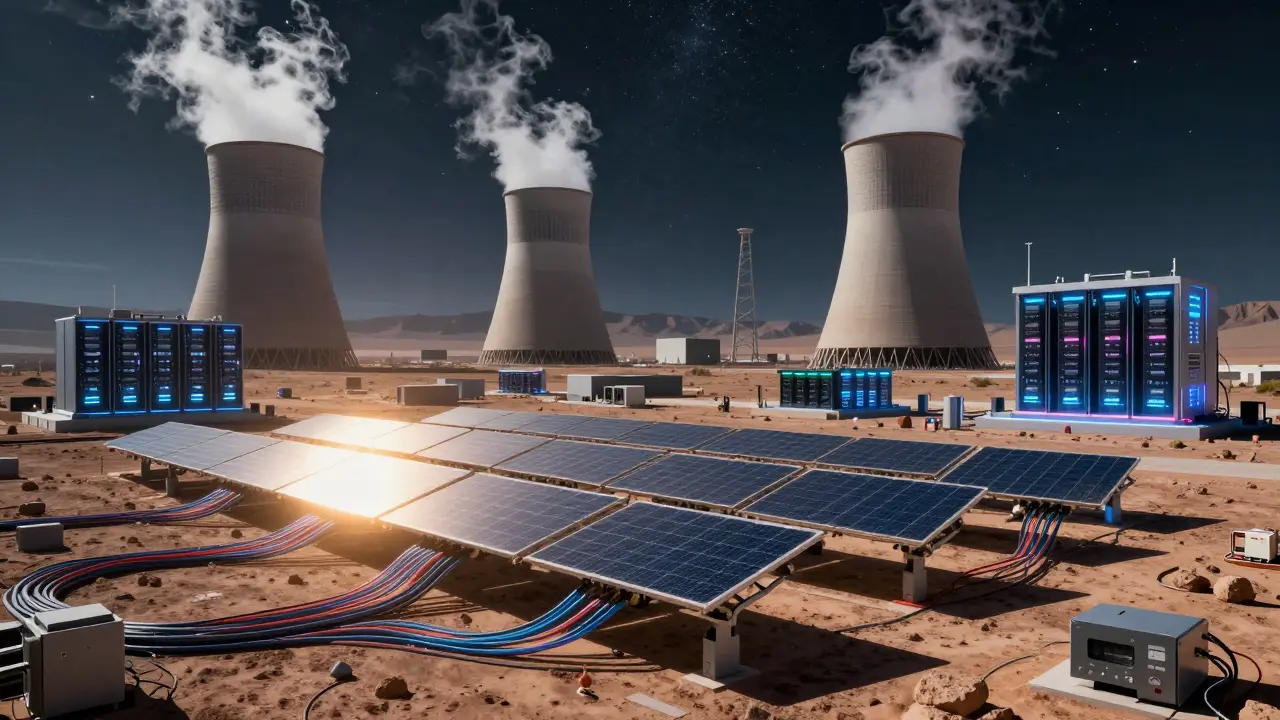
The landscape varies wildly depending on geography. In Chile’s Atacama Desert, a 2.5 MW solar farm powers a mining facility while sending excess energy to the grid, lighting up 1,200 homes. In Sub-Saharan Africa, companies like Gridless Compute deploy solar-plus-battery microgrids. These systems power both mining rigs and local communities, reducing diesel dependence and cutting costs by 40% for households in Kenya.
On the flip side, Kuwait recently banned mining altogether, citing strain on the national grid. This reflects a growing trend in countries where infrastructure can’t support the load. Meanwhile, in the U.S., relaxed environmental regulations under recent administrations have accelerated expansion, sparking debate over whether this undermines climate goals.
Future Outlook: Efficiency and Diversification
Looking ahead, two trends will define the next era of mining: hardware efficiency and revenue diversification. ASIC manufacturers like Bitmain and MicroBT are pushing boundaries, but supply chain risks remain. Recent seizures of equipment by U.S. Customs highlight geopolitical vulnerabilities.
More importantly, miners are evolving into High-Performance Computing (HPC) providers. Companies like Iris Energy and CleanSpark are using their renewable-powered data centers to run AI workloads. This diversification reduces reliance on Bitcoin price volatility and makes renewable investments more attractive. As AI demand grows, the need for clean, reliable power becomes even more critical.
The path forward requires balancing innovation with regulation. Without strict standards, the risk of fossil fuel rebound remains. But with the right incentives, mining can continue to drive renewable development, acting as a catalyst for a cleaner energy transition.
Is Bitcoin mining really 52% renewable?
Yes, according to the Cambridge Centre for Alternative Finance's 2025 report, sustainable energy accounts for 52.4% of Bitcoin mining energy. This includes 9.8% nuclear and 42.6% renewables like wind, solar, and hydro.
How do miners use wind energy efficiently?
Miners act as flexible loads, absorbing excess wind power during high-generation periods (curtailment). In Texas, they consume 32% of curtailed wind energy, helping stabilize the grid and incentivizing new wind farm construction.
What is the role of nuclear power in crypto mining?
Nuclear power provides consistent, weather-independent baseload energy. Companies like TeraWulf specialize in this approach, ensuring stable operations regardless of solar or wind fluctuations, accounting for 9.8% of total mining energy.
Why are some communities opposing mining farms?
Opposition often stems from noise pollution caused by cooling fans and concerns over local grid strain. In Texas, lawsuits have emerged due to constant fan noise, leading to stricter local ordinances and a push for quieter immersion cooling technologies.
Can small miners compete with large renewable-powered firms?
It’s increasingly difficult. Large firms secure favorable Power Purchase Agreements (PPAs) and invest in efficient hardware. Smaller operations face higher energy costs and regulatory pressures, leading to industry consolidation toward well-capitalized, renewable-focused enterprises.