

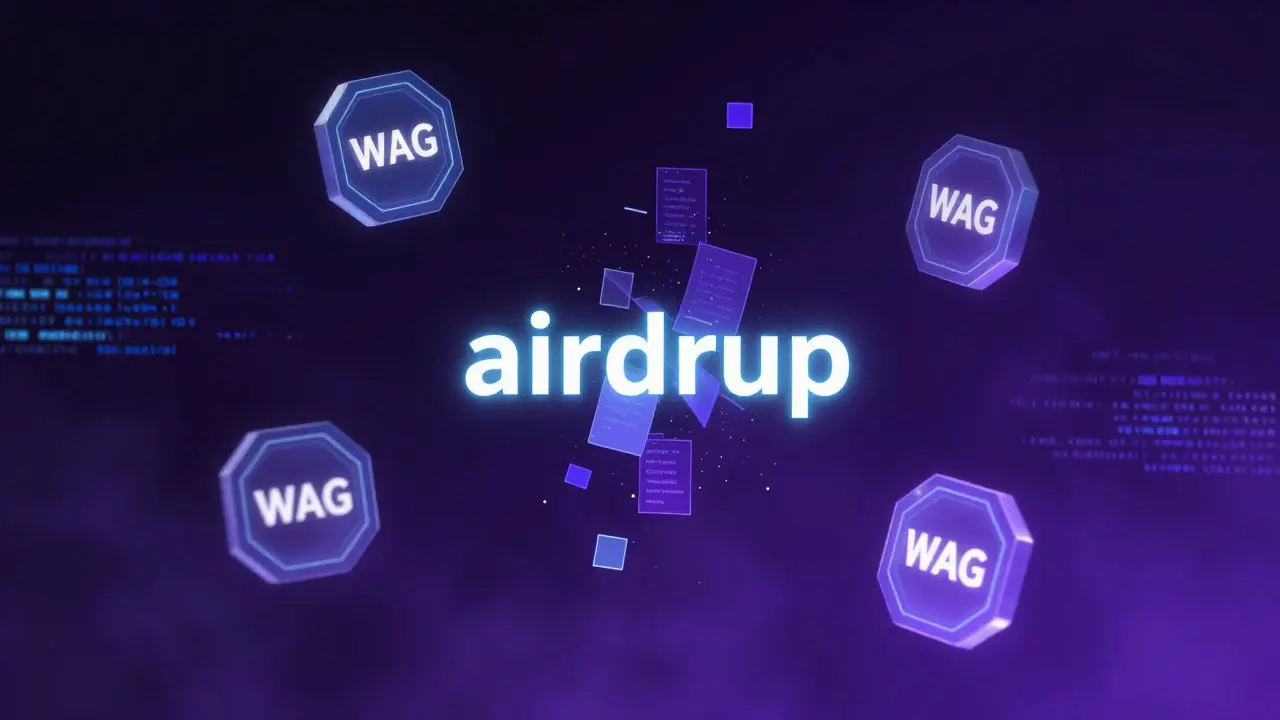
You’ve probably seen the buzz around WagyuSwap, an automated market maker on the Velas Network. The promise of free tokens via an Initial DEX Offering (IDO) airdrop is tempting. But here’s the hard truth: most details about this specific airdrop are murky, and the token’s performance has been anything but stellar.
If you’re looking to claim WAG tokens or understand if this project still holds value in 2026, you need to separate marketing hype from on-chain reality. This guide breaks down what we know about the WagyuSwap IDO launch, how the platform actually works, and whether your time is better spent elsewhere.
What Is WagyuSwap (WAG)?
WagyuSwap is a decentralized exchange (DEX) built on the Velas Network. Launched in September 2021, it positioned itself as the first DEX on a blockchain that claims to combine Ethereum’s compatibility with Solana’s speed. In simple terms, it allows users to swap VEP20 tokens without needing a central authority or KYC verification.
The native token, WAG, serves several purposes within the ecosystem:
- Governance: Token holders can vote on protocol upgrades.
- Rewards: Liquidity providers earn WAG for locking their assets.
- Fees: Trading fees may be distributed to stakers.
However, despite its early promise, WagyuSwap has struggled to maintain momentum. As of mid-2026, the total supply is capped at 500 million WAG, with only about 54.16 million in circulation. That low circulating supply might sound bullish, but the lack of active trading volume tells a different story.
The IDO Launch Airdrop: What We Know
Initial DEX Offerings often include airdrops to reward early community members. For WagyuSwap, there were reports of an “IDO Launch Airdrop” designed to bootstrap liquidity and user adoption. Unfortunately, comprehensive documentation on eligibility criteria, distribution amounts, and claiming procedures remains scarce.
Here’s what typically happens with such campaigns:
- Snapshots: Projects take a snapshot of wallet balances or transaction history at a specific block height.
- Eligibility: Users who held certain tokens or interacted with the platform before the snapshot qualify.
- Claiming Period: Winners must connect their wallets to a claim site within a set window.
- Tokens Distributed: Free WAG tokens are sent to eligible wallets.
For WagyuSwap, no official public record confirms large-scale successful distributions. If you missed the initial launch window in 2021-2022, chances are you cannot claim retroactively. Always verify sources directly through the Velas Network explorer or official WagyuSwap channels-never trust random Telegram links promising “free WAG.”
Current Market Reality: Price and Volume Analysis
Let’s talk numbers. The all-time high for WAG was $0.00435. Today? It hovers around $0.00015. That’s a decline of over 97% from peak values. Not exactly the kind of growth investors dream of.
| Metric | Value |
|---|---|
| Current Price | $0.000151 - $0.0001525 |
| Market Cap | $9,770 - $16,000 |
| 24-Hour Volume | $0 - $82,700 (highly inconsistent) |
| Total Supply | 500 Million WAG |
| Circulating Supply | 54.16 Million WAG |
| All-Time High | $0.00435 |
Notice the trading volume? Some days show zero activity. Others spike briefly due to bot trades or minor whale movements. This inconsistency makes technical analysis nearly useless. Moving averages like the 50-day SMA ($0.000169) and 200-day SMA ($0.000422) both point downward, signaling sustained bearish pressure.

Why Did WagyuSwap Struggle?
Several factors contributed to WagyuSwap’s current state:
- Velas Network Adoption: While Velas promised high speed and low fees, it never gained widespread developer traction compared to Ethereum, BSC, or even Polygon.
- Lack of Unique Features: WagyuSwap offered standard AMM functionality without innovative mechanisms like concentrated liquidity or dynamic fee tiers.
- Regulatory Uncertainty: No-KYC platforms face increasing scrutiny globally, limiting institutional interest.
- Competition: Established DEXs like Uniswap, PancakeSwap, and SushiSwap dominate market share and offer superior liquidity depth.
In short, WagyuSwap entered a crowded space without a clear competitive advantage. Without strong network effects or unique technology, user retention plummeted after the initial hype faded.
How to Use WagyuSwap Today (If You Still Want To)
If you’re curious about testing the waters, here’s how to get started safely:
- Set Up a Wallet: Use MetaMask or another EVM-compatible wallet. Configure it to connect to the Velas Network RPC endpoints.
- Add Funds: Purchase VELO (Velas’ native token) on a major exchange and bridge it to the Velas chain. You’ll also need small amounts of WETH or other base pairs for swaps.
- Connect to WagyuSwap: Visit the official WagyuSwap interface (double-check URLs!). Connect your wallet.
- Swap Tokens: Select input/output tokens, adjust slippage tolerance if needed, and confirm the transaction.
- Provide Liquidity (Optional): Deposit equal-value token pairs into a pool. Receive LP tokens representing your share.
- Stake LP Tokens: Lock LP tokens in WagyuSwap’s staking contract to earn WAG rewards. Be aware of impermanent loss risks.
Remember: every interaction carries smart contract risk. Never invest more than you can afford to lose, especially on lesser-known protocols.
Is WagyuSwap Worth Your Attention in 2026?
Honestly? Probably not-if you’re chasing profits. With minimal trading volume, declining price trends, and limited ecosystem development, WagyuSwap doesn’t offer compelling opportunities right now.
That said, if you’re interested in learning how DEXs work under the hood, experimenting with cross-chain bridges, or supporting niche blockchain projects, WagyuSwap could serve as a sandbox environment. Just manage expectations accordingly.

Alternatives to Consider
Instead of focusing on WagyuSwap, consider these more active alternatives:
- Uniswap (Ethereum/L2s): Largest TVL, deepest liquidity, continuous innovation.
- PancakeSwap (BSC): Low fees, huge user base, frequent gamified events.
- Jupiter (Solana): Aggregator model offering best prices across multiple Solana DEXs.
- Aerodrome (Base): Growing rapidly on Coinbase’s L2, backed by significant venture capital.
Each offers robust infrastructure, regular updates, and vibrant communities-things WagyuSwap currently lacks.
Red Flags to Watch For
Before engaging further with any crypto project, watch out for these warning signs:
- No Recent GitHub Activity: Check commit logs. Stale codebases suggest abandoned projects.
- Anonymous Teams: Lack of doxxed founders increases counterparty risk.
- Unverified Contracts: Ensure smart contracts are audited by reputable firms like CertiK or OpenZeppelin.
- Excessive Token Concentration: If top wallets hold >30% of supply, manipulation risk rises sharply.
Apply these filters rigorously. Many seemingly legitimate projects collapse when underlying fundamentals aren’t solid.
Final Thoughts
The WagyuSwap IDO airdrop era belongs to history. Whether you participated back then or discovered it later, the present reality is stark: low liquidity, falling prices, and fading relevance. Don’t let nostalgia or FOMO drive decisions. Focus instead on platforms demonstrating consistent growth, transparent governance, and real-world utility.
Can I still claim WagyuSwap WAG tokens from the IDO airdrop?
Likely not. Most IDO airdrops have strict claiming windows that closed years ago. There’s no evidence of ongoing retroactive claims. Verify exclusively through official WagyuSwap announcements.
What is the minimum amount needed to start swapping on WagyuSwap?
Technically, you can swap tiny amounts, but gas fees on Velas are negligible. However, due to thin liquidity, slippage will eat into small trades significantly. Start with at least $10-$20 worth of tokens to see meaningful results.
Is WagyuSwap safe to use?
Safety depends on context. Smart contracts haven’t had major reported exploits recently, but low audit transparency and inactive team presence raise concerns. Treat it as experimental-not suitable for large holdings.
Why is WagyuSwap’s price so low?
Low demand combined with high sell pressure from early investors caused massive depreciation. Additionally, lack of new buyers and minimal utility beyond basic swapping suppresses valuation.
Does WagyuSwap support mobile devices?
Yes, the web interface is responsive and works on smartphones. Alternatively, use MetaMask Mobile configured for Velas Network. No dedicated iOS/Android app exists yet.
How does WagyuSwap compare to Uniswap?
Uniswap dominates in liquidity, security audits, and feature richness. WagyuSwap lags behind in all metrics except potentially lower gas costs on Velas-which matters little given its overall stagnation.
Will WagyuSwap recover its previous value?
Unlikely without major catalysts: renewed team engagement, partnerships, or technological breakthroughs. Current indicators suggest continued dormancy rather than resurgence.
Where can I buy WAG tokens today?
Limited options exist. Try decentralized exchanges on Velas Network or smaller CEXs listing obscure altcoins. Expect wide bid-ask spreads and poor execution quality.