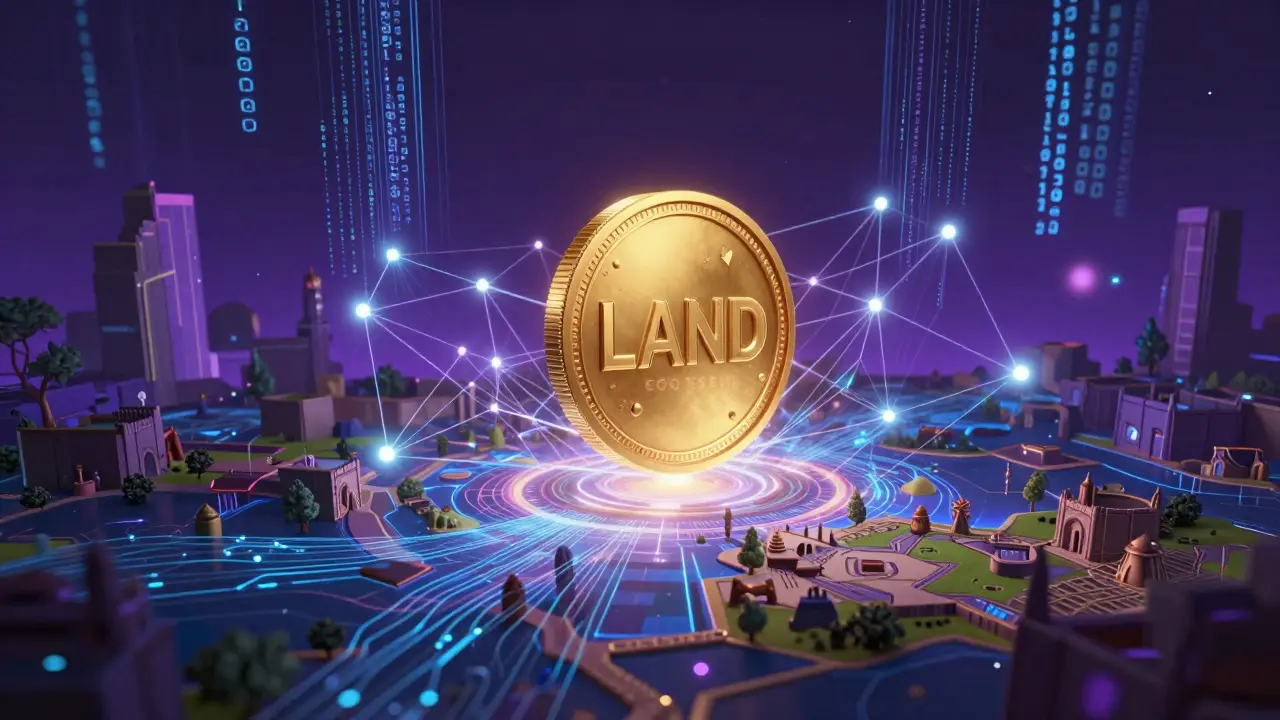
You’ve probably seen the term Outlanders (LAND) pop up in crypto feeds or gaming forums. But what exactly is it? Is it just another meme coin hoping for a viral moment, or does it actually have a product behind it? The short answer is that LAND is the utility token for Outlanders, a medieval fantasy MMORPG built on blockchain technology.
Unlike speculative tokens that rely solely on hype, LAND is designed to power an economy inside a specific game world. It’s part of a broader movement called GameFi, where playing games can generate real-world value. However, if you are looking at the charts right now, you’ll see something unusual: extremely low trading volume and micro-cap status. This raises big questions about liquidity, adoption, and whether this project is still in its early developmental stages.
The Core Concept: A Medieval Blockchain Adventure
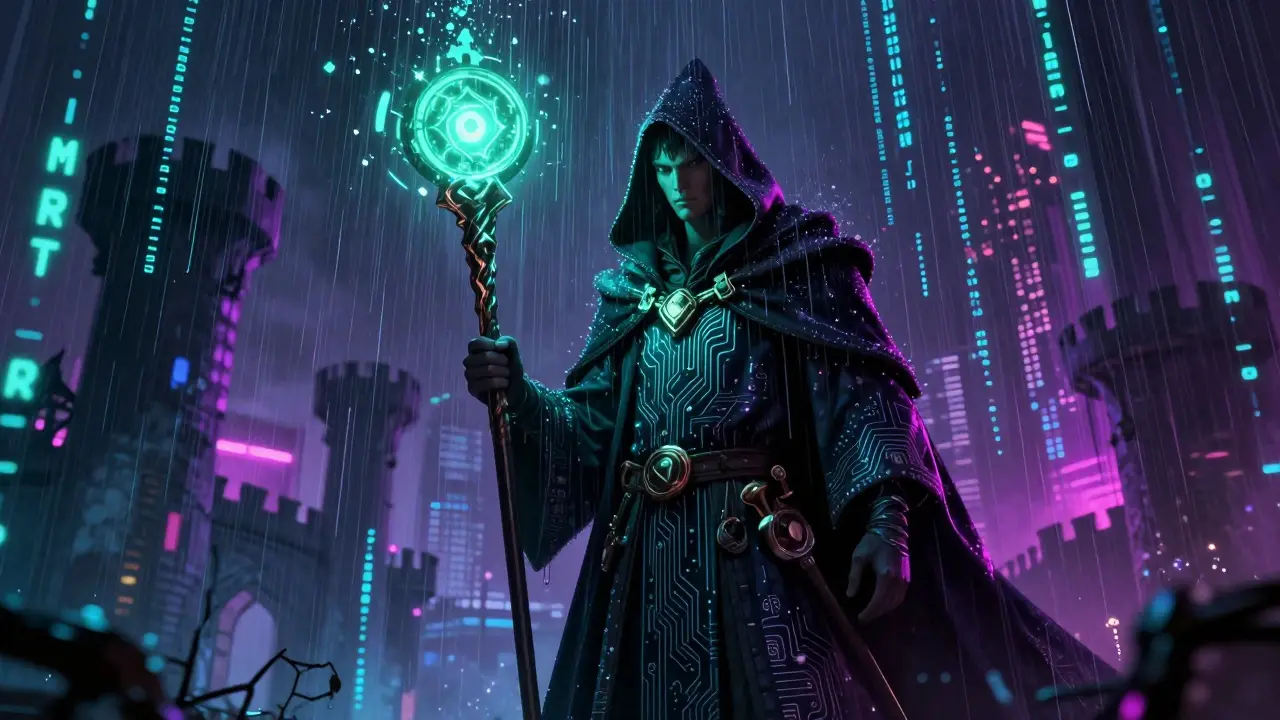
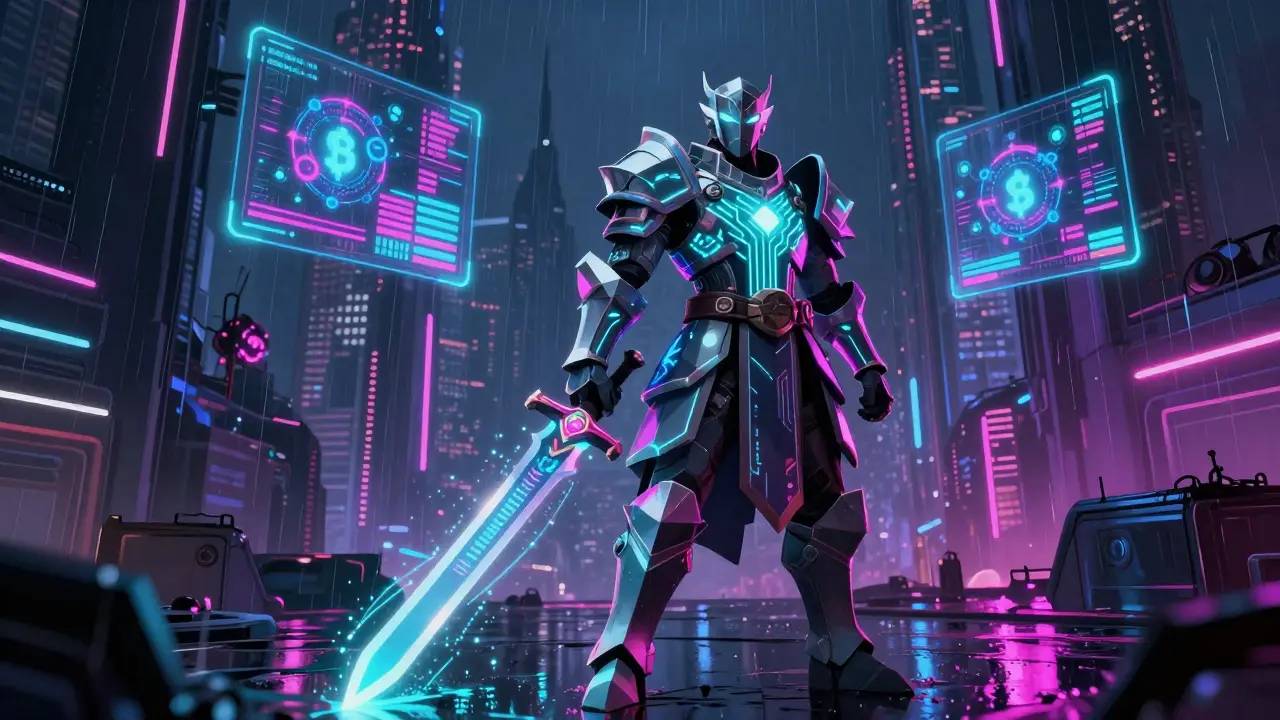
At its heart, Outlanders is an open-world Massively Multiplayer Online Role-Playing Game (MMORPG). Think of classic titles like World of Warcraft or RuneScape, but with a twist: your assets and achievements are tied to the blockchain. The visual style is "low-poly," which means simple geometric shapes rather than hyper-realistic graphics. This isn’t just an aesthetic choice; it helps the game run smoothly on older hardware and mobile devices, lowering the barrier to entry for players who don’t own expensive PCs.
The narrative setting is a medieval fantasy realm. Players take on roles as warriors, mages, or explorers, fighting monsters and other players to gain territorial dominance. Where LAND comes in is through the "play, conquer, and earn" mechanic. When you achieve milestones in the game-like defeating a boss or capturing a territory-you might be rewarded with LAND tokens. These tokens aren’t just digital points; they represent value within the ecosystem and can potentially be traded.
This approach aims to bridge the gap between Web2 gamers (those used to traditional online games) and Web3 (blockchain-based applications). The goal is to make the blockchain aspect invisible or "frictionless." You shouldn’t need to understand private keys or gas fees to enjoy the combat; the wallet integration should happen seamlessly in the background.
How the LAND Token Works in the Ecosystem
To understand LAND, you have to look at its relationship with two main entities: the game itself and the Naka ecosystem, the broader infrastructure supporting Outlanders. The official project description states clearly: "Our token ‘LAND’ is your way to discover and access Outlanders & Naka ecosystem."
This means LAND serves three primary functions:
- Access Key: Holding or spending LAND may grant you entry to certain zones, events, or features within the game that free players cannot access.
- Reward Mechanism: As mentioned, successful gameplay yields LAND rewards. This incentivizes active participation and skill development rather than passive holding.
- Economic Bridge: LAND connects the game to the wider Naka ecosystem. While details on Naka are sparse, it likely provides the underlying technical infrastructure, such as AI-driven NPC behaviors or automated market balancing, ensuring the game economy doesn’t collapse under inflation.
There is also a heavy emphasis on AI integration. The project claims to use artificial intelligence to enhance the player experience. This could mean smarter enemies that adapt to your playstyle or dynamic quest generation. Since AI models require significant computational power, it’s possible that LAND transactions help fund or validate these on-chain AI processes, though the exact technical architecture remains somewhat opaque.
Market Reality: Liquidity and Price Volatility
If you check major trackers like CoinGecko or CoinMarketCap, the data tells a stark story. As of mid-2026, LAND trades at fractions of a cent-often around $0.000024 USD. More concerning for traders is the volume. Some platforms report 24-hour trading volumes of less than $2, while others show zero activity entirely.
| Metric | Value | Implication |
|---|---|---|
| Price (USD) | ~$0.000024 | Micro-cap asset; high risk of slippage |
| 24h Volume | $0 - $1.50 | Extremely illiquid; hard to buy/sell large amounts |
| Market Cap Rank | #2391+ | Outside top 1,000; niche interest only |
| Network | Arbitrum (Layer 2) | Low transaction fees, but limited exchange support |
This lack of liquidity is critical. If you were to try selling a large amount of LAND, there simply aren’t enough buyers on the order books to absorb the sale without crashing the price further. On some decentralized exchanges (DEXs) on the Arbitrum network, there have been days with zero on-chain transactions. This suggests that while the token exists and is tradable, very few people are actively moving it back and forth.
Why is this happening? In the GameFi sector, token value is tightly coupled with user adoption. If the game client isn’t widely downloaded, or if the "earn" rates are too low to attract serious players, the token stagnates. Unlike Bitcoin or Ethereum, which have broad institutional and retail demand, LAND’s demand depends entirely on one game’s success.
Technical Foundations: Arbitrum and IDO Launch
From a technical standpoint, LAND operates primarily on the Arbitrum, an Ethereum Layer 2 scaling solution. Choosing Arbitrum makes sense for a gaming token because it offers faster transaction speeds and significantly lower gas fees compared to the Ethereum mainnet. For a game that might trigger dozens of micro-transactions per session (buying potions, selling loot), high fees would kill the economy instantly.
The token was introduced to the public via an Initial DEX Offering (IDO), according to tracking sites like CryptoRank. An IDO allows projects to raise funds by listing directly on a decentralized exchange. While this method is transparent, it often leads to immediate price discovery volatility. Unfortunately, detailed tokenomics-such as maximum supply, vesting schedules for developers, or burn mechanisms-are not prominently displayed in public summaries. This lack of transparency regarding how many tokens will enter circulation over time adds another layer of uncertainty for investors.
The contract address for LAND on Arbitrum starts with `0x44Be...`, confirming its ERC-20 compatibility. This means you can store it in standard wallets that support Arbitrum, such as MetaMask or Trust Wallet, provided you add the correct network settings.
Risks and Considerations for Investors
Before buying any GameFi token, especially one with such low liquidity, you need to weigh several risks:
- Single-Point-of-Failure Risk: LAND’s value is 100% dependent on Outlanders’ popularity. If the game servers go down, if the fun factor drops, or if competitors launch better games, LAND loses its utility. There is no diversification here.
- Liquidity Trap: With daily volumes near zero, exiting a position can be difficult. You might see a paper profit on your screen, but converting that to stablecoins could result in massive slippage, eating up most of your gains.
- Regulatory Uncertainty: Governments worldwide are still figuring out how to regulate play-to-earn models. If future laws classify these rewards as taxable income or restrict cross-border token transfers, it could impact the game’s viability.
- Development Delays: Building an MMORPG is incredibly complex. Many GameFi projects promise grand worlds but deliver buggy, incomplete clients. Without a robust roadmap with dated milestones, it’s hard to verify if the team is delivering on time.
Furthermore, there is a notable absence of independent security audits or third-party expert reviews in the public domain. Most information comes from the project’s own marketing channels or generic aggregator descriptions. Always remember: in crypto, if it sounds too good to be true, or if the data is too thin to analyze, proceed with extreme caution.
How to Get Started (If You Choose To)
If you’re intrigued by the concept and want to explore Outlanders despite the risks, here is the general path:
- Set Up a Wallet: Install a non-custodial wallet like MetaMask. Configure it to connect to the Arbitrum One network.
- Acquire ETH: You’ll need Ethereum to pay for gas fees on Arbitrum. Buy ETH on a centralized exchange and withdraw it to your wallet, then bridge it to Arbitrum using a reputable bridge service.
- Find the Pair: Navigate to a decentralized exchange that lists LAND (such as Uniswap or SushiSwap on Arbitrum). Paste the official LAND contract address to ensure you’re getting the real token and not a scam copycat.
- Swap Carefully: Due to low liquidity, start with a small amount. Set a high slippage tolerance if necessary, but be aware this increases the risk of front-running bots.
- Play the Game: Download the Outlanders client. Use your LAND to unlock features or trade in-game items. Remember, the primary value proposition is usage, not speculation.
Always double-check links from official sources. Scammers often create fake websites mimicking popular projects to steal credentials. Never share your seed phrase with anyone.
Is Outlanders (LAND) a good investment?
LAND is a high-risk, speculative asset. Its value is tied entirely to the success of a single video game. With extremely low trading volume and micro-cap status, it lacks the liquidity and stability of established cryptocurrencies. Only invest money you can afford to lose completely.
Which blockchain is LAND on?
LAND primarily operates on the Arbitrum network, which is a Layer 2 scaling solution for Ethereum. This allows for low-cost and fast transactions, essential for gaming economies.
What is the Naka ecosystem?
The Naka ecosystem is the broader infrastructure supporting Outlanders. LAND serves as the key to accessing both the game and this ecosystem, which likely includes AI tools and economic management systems.
Can I earn LAND by playing?
Yes, the project promotes a "play, conquer, and earn" model. Players can earn LAND tokens by achieving in-game milestones, fighting monsters, and gaining territorial dominance.
Why is the trading volume so low?
Low volume indicates limited active trading interest. This is common for niche GameFi tokens that haven't achieved mass adoption. It makes buying and selling large amounts difficult due to lack of buyers and sellers.