

AFIN Airdrop Scam Detector
Is This AFIN Offer Legitimate?
1. The offer requires you to connect your wallet before showing details
2. It asks you to pay gas fees to "claim" tokens
3. There's no verified team information or LinkedIn links
4. The project isn't listed on Binance or CoinMarketCap
5. It's only promoted on TikTok or Telegram
There’s a lot of talk online about an Asian Fintech (AFIN) airdrop. You’ve probably seen ads, Telegram groups, or YouTube videos promising free tokens if you sign up now. But here’s the truth: there is no verified Asian Fintech airdrop. Not from official sources. Not on CoinMarketCap. Not on Binance. Not even in the project’s own social channels.
If you’re looking to get AFIN tokens for free, you’re walking into a minefield. Scammers love to exploit names like this - using real project names to trick people into handing over private keys, paying gas fees for fake claims, or downloading malware disguised as an airdrop app. The reality? Asian Fintech (AFIN) is a cryptocurrency with almost no trading activity, and any claim of a current airdrop is almost certainly fake.
What Is Asian Fintech (AFIN)?
Asian Fintech, or AFIN, is a cryptocurrency project that says it wants to be the "green" crypto. It claims to use solar, wind, and hydro power for mining through something called "Green Bitcoin." That sounds good - especially if you care about climate change. But claims like this need proof. And there’s none.
The token has a total supply of 500 million AFIN. Only 135 million are listed as circulating. That sounds normal, but here’s the problem: nobody’s trading it. Binance, the world’s biggest crypto exchange, says AFIN has a price of $0 and zero volume. CryptoRank shows the same. CoinMarketCap lists a price of $0.001218, but even that number doesn’t match up with actual trades.
That’s not a glitch. That’s a red flag. If a token has no buyers or sellers, it’s not a real market. It’s a ghost. And ghosts don’t give out free tokens.
Why There’s No AFIN Airdrop
Airdrops are usually run by teams with active communities, working code, and real exchange listings. They announce them on Twitter, Discord, and their official website. They give clear rules: "Follow us, join our Telegram, hold X token, complete these tasks."
Asian Fintech does none of that. No official announcement. No smart contract deployed for distribution. No timeline. No eligibility list. No verified team members. No audit reports. Nothing.
When a project can’t even get listed on Binance or Coinbase, it doesn’t have the resources to run a legitimate airdrop. Airdrops cost money - gas fees, marketing, legal compliance. If they can’t pay for exchange fees, how are they paying for a free token giveaway?
Any website, video, or post claiming to offer an AFIN airdrop is either a scam or wildly misinformed. Don’t click links. Don’t connect your wallet. Don’t send any crypto. Even if it says "it’s safe," it’s not.
Where the AFIN Airdrop Myth Comes From
The myth started because AFIN had a brief moment of attention back in 2019. CryptoRank shows it hit a peak price of ₹32.12 (about $0.40 USD at the time). That was over five years ago. Since then, trading has vanished.
Now, scammers take old projects like this and revive them with fake news. They use AI-generated images of "official" websites. They copy-paste old whitepapers. They create fake Telegram groups with bots pretending to be users. Then they lure people in with "limited-time airdrops" - all to steal your private keys or trick you into paying fake gas fees.
One common scam: you click a link, it asks you to connect your MetaMask wallet. Then it says, "Confirm transaction to receive 10,000 AFIN." But the transaction isn’t for tokens - it’s for approving the scammer to drain your entire wallet. That’s it. Gone. No refund. No trace.
Can You Still Get AFIN Tokens?
Technically, yes - but only if you’re willing to jump through serious hoops.
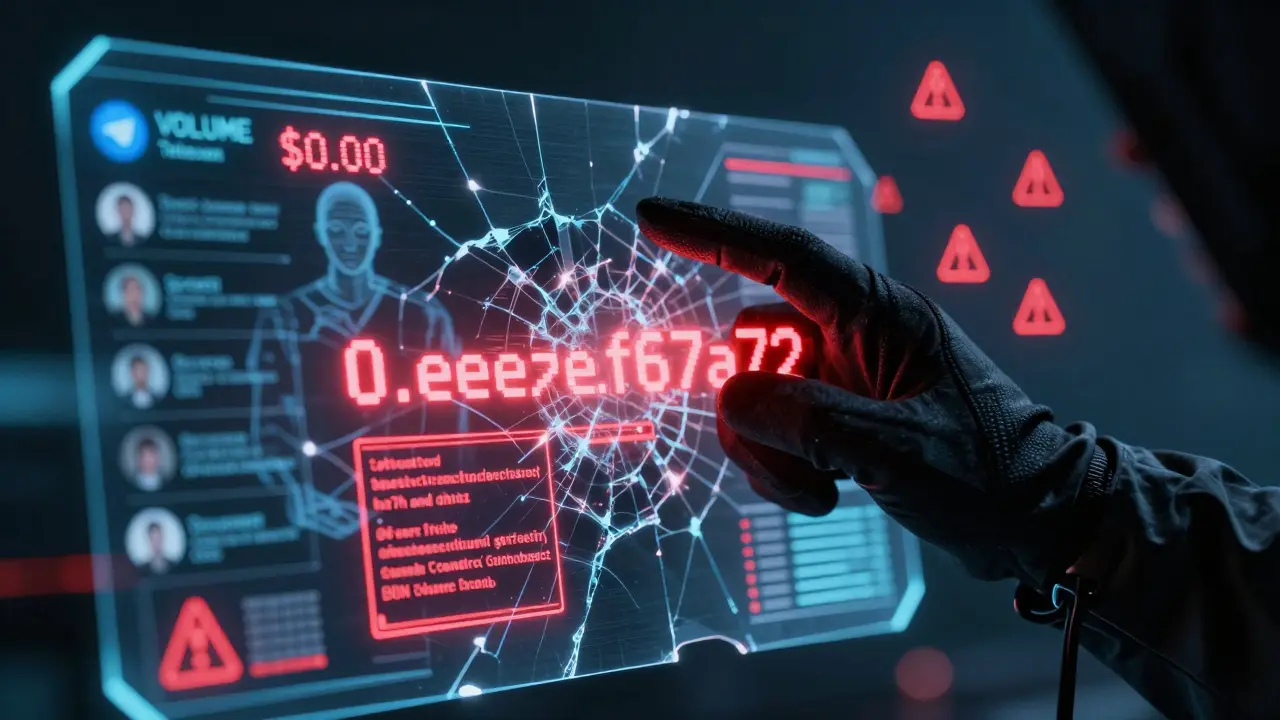
Binance says you can buy AFIN through their Web3 Wallet on decentralized exchanges (DEXs) like Uniswap or PancakeSwap. But here’s the catch: you need to already have some ETH or BNB to pay for gas. You need to know how to swap tokens on a DEX. You need to verify the AFIN contract address - which is 0xee9e...f67a72 - and even that address isn’t audited or verified by any major security firm.
And even if you buy AFIN, you won’t be able to sell it easily. No major exchange lists it. No wallet supports it as a default asset. You’re stuck holding something with no liquidity. If you need cash tomorrow, you can’t get it.
It’s like buying a rare coin no one else wants. You might think it’s valuable. But if no one will buy it from you, it’s just metal in a drawer.
What to Do Instead
If you’re interested in sustainable crypto, there are better options.
- Chia (XCH) uses proof-of-space-and-time - no energy-hungry mining.
- Algorand (ALGO) runs on a carbon-neutral proof-of-stake network.
- Cardano (ADA) has published full environmental impact reports and uses far less energy than Bitcoin.
These projects have real teams, audits, exchange listings, and active communities. They don’t need to trick you with fake airdrops.
And if you want free crypto? Stick to legit airdrops from projects like Arbitrum, Optimism, or Polygon. They’ve been around for years. They’ve distributed millions in real tokens. They have public records. You can check their official websites. You can see the blockchain transactions.

Red Flags to Watch For
If you ever see an "AFIN airdrop" again, look for these warning signs:
- It asks you to connect your wallet before seeing details
- It requires you to pay gas fees to "claim" tokens
- The website looks cheap, has typos, or uses stock images
- No team members are named or linked to LinkedIn
- The project has no GitHub activity or code updates in over a year
- It’s only promoted on TikTok, Telegram, or YouTube ads
If you see even one of these, walk away. Immediately.
Final Warning
There is no Asian Fintech airdrop. Not now. Not ever - unless the project suddenly wakes up, hires a real team, and announces it on their official site. That hasn’t happened. And it’s unlikely to.
Don’t risk your crypto. Don’t risk your wallet. Don’t risk your identity. The people behind these fake airdrops aren’t giving away tokens. They’re stealing trust.
If you want to get involved in crypto that actually matters, focus on projects with transparency, liquidity, and real users. Skip the ghosts. They don’t have anything to give you - except loss.
Is there a real Asian Fintech (AFIN) airdrop happening right now?
No, there is no official or verified Asian Fintech (AFIN) airdrop. Major crypto platforms like CoinMarketCap, Binance, and CryptoRank show no announcement, no contract for distribution, and no activity related to an airdrop. Any website or social post claiming otherwise is a scam.
Why does Binance show AFIN as $0 price and zero volume?
Binance shows AFIN as $0 because there are no active trades on their platform. The token isn’t listed for buying or selling. Zero volume means no one is trading it. This suggests the token has little to no liquidity, making it nearly impossible to buy or sell reliably - even if you find it on a decentralized exchange.
Can I buy AFIN tokens safely?
You can technically buy AFIN through decentralized exchanges like PancakeSwap using Binance’s Web3 Wallet - but it’s risky. The token has no verified audit, no trading volume, and no exchange support. You’ll pay high gas fees, and you won’t be able to sell it easily. Most people who buy it end up stuck with worthless tokens.
What should I do if I already connected my wallet to an AFIN airdrop site?
Immediately disconnect your wallet from all dApps. Go to your wallet settings (MetaMask, Trust Wallet, etc.) and revoke permissions for any unknown contracts. Then, move all your funds to a new wallet. Do not trust any site that asked you to approve a transaction before showing you the airdrop - that’s how scammers steal everything.
Are there any legitimate green crypto airdrops I can join?
Yes, but stick to well-known projects. Algorand, Chia, and Cardano have all run past airdrops with public records. Always check their official websites and Twitter accounts. Never trust airdrop offers on Telegram, TikTok, or random blogs. Legit projects don’t need to chase you - you’ll find them through trusted sources.
Comments
27 Comments
Isha Kaur
I’ve seen so many of these fake airdrops it’s insane. I was almost fooled by one last month-thought I was getting free tokens, ended up with a phishing link that tried to drain my wallet. Asian Fintech? No way. Zero volume, no team, no audit. It’s a ghost project with a fancy name. Scammers love resurrecting dead coins like this. They know people get greedy and stop checking sources. I just block all Telegram groups that spam ‘free AFIN’ anymore. If it sounds too good to be true, it’s not just false-it’s dangerous.
And honestly, why do people still click these links? I get it, crypto FOMO is real. But you’re not gonna get rich off a token that’s been dead since 2019. The real winners are the ones who walked away. Stay safe, folks. Don’t be the next statistic.
I’ve even gone so far as to screenshot every fake airdrop page I see and post them in my local crypto group with a warning. Someone’s gotta do it. If I can save one person from losing their ETH, it’s worth it. We need more of this kind of awareness, not more hype.
Also, if you’re into green crypto, go for Cardano or Chia. They’ve got real sustainability metrics, actual developers, and real communities. AFIN? It’s like trying to buy a Tesla made of cardboard. Looks cool in the ad, but it won’t start.
And don’t even get me started on the AI-generated ‘official’ websites. I saw one yesterday that had a fake CEO photo with a LinkedIn profile that didn’t exist. The URL was ‘afin-greencoin[.]com’-like, really? That’s not even clever. It’s lazy. And people still fall for it.
Just remember: if they don’t have a GitHub repo updated in the last year, they’re not building anything. They’re just collecting wallets.
I’m not saying don’t explore new projects. But do your homework. Check CoinGecko, Binance, and the project’s own Twitter. If none of them mention it, it’s fake. Period.
And if you’ve already connected your wallet? Do what the post said-revoke permissions immediately. Don’t wait. Don’t hope it’s fine. It’s not.
I’ve lost friends to these scams. One guy lost $12k. He thought he was ‘staking’ for tokens. He didn’t even know what staking meant. That’s the real tragedy here-not the money, it’s the trust. People get burned and stop believing in crypto altogether. That’s what the scammers want.
Let’s not feed the machine. Let’s educate instead.
And if you’re reading this and you’re still thinking ‘maybe it’s real’-just pause. Breathe. Walk away. You’ll thank yourself later.
Glenn Jones
OMG I JUST GOT SCAMMED BY THIS AFIN THING AND I’M STILL IN SHOCK. I CONNECTED MY WALLET BECAUSE THE SITE SAID ‘CLAIM YOUR 10K AFIN NOW’ AND I THOUGHT ‘WHY NOT’? THEN IT ASKED ME TO CONFIRM A TRANSACTION FOR ‘APPROVAL’ AND I DID IT BECAUSE IT LOOKED LIKE A STANDARD TOKEN APPROVAL. THEN MY WHOLE BALANCE VANISHED. I LOST 1.8 ETH AND 1200 USDT. I’M BROKE. I’M DEPRESSED. I’M DONE WITH CRYPTO. THIS IS A WAR ON THE POOR. WHO’S RESPONSIBLE FOR THIS? WHY ISN’T THE SEC SHUTTING THIS DOWN? I WANT JUSTICE. I WANT BLOOD. I WANT THE SCAMMERS TO ROT IN JAIL.
AND TO THE GUY WHO WROTE THIS POST-THANK YOU. YOU’RE A HERO. I’M SHARING THIS EVERYWHERE. I’M TELLING EVERYONE ON TIKTOK. I’M MAKING A VIDEO. I’M BECOMING A CRYPTO WHISTLEBLOWER. I WON’T LET THIS HAPPEN TO ANOTHER PERSON.
IF YOU’RE READING THIS AND YOU’RE STILL THINKING ABOUT CLICKING-DON’T. I’M BEGGING YOU. I’M ON THE GROUND. I’M THE LIVING EXAMPLE. THIS ISN’T A WARNING. THIS IS A GRAVEYARD.
Richard T
Interesting breakdown. I’ve been watching AFIN for a while just out of curiosity. The fact that CoinMarketCap still lists a price at all is weird-usually dead tokens get delisted entirely. It’s almost like they’re keeping it visible to lure people in. Smart, but gross.
I also noticed the contract address is the same one used in a few other low-cap scams from 2021. Same pattern: vague green claims, no code updates, fake social media. It’s a template. Someone’s mass-producing these.
Worth noting that even the ‘Green Bitcoin’ branding is a red flag. Bitcoin’s energy use is a real issue, but co-opting its name to sell something that doesn’t even exist? That’s not innovation. That’s branding theft.
And yeah, the fact that Binance lists it at $0 but still lets it hang around is telling. They probably keep it for regulatory compliance reasons-like, ‘we didn’t list it, it’s just there.’ But it’s still a loophole scammers exploit.
Anyone else think we need a centralized database of known scam contracts? Like a blockchain equivalent of the FTC’s scam registry? Just a thought.
jonathan dunlow
Let me tell you something-crypto is not a lottery. It’s a marathon with landmines. And if you’re chasing free tokens from a project that hasn’t traded in five years, you’re not investing-you’re volunteering to be the next victim.
I’ve been in this space since 2017. I’ve seen ICOs crash, rug pulls, fake teams, fake audits, fake whitepapers. This AFIN thing? It’s the same old song, just with new lyrics.
But here’s the good news: you can still win. Not by chasing ghosts. By learning. By reading. By asking questions before you click. By walking away from the shiny object.
And if you’re new? Start with the big ones. Bitcoin. Ethereum. Cardano. They’ve got history, transparency, and communities that care. You don’t need to gamble on a token that doesn’t even have a working website.
I’ve helped 12 friends avoid scams this year alone. One of them almost sent $5k to a fake airdrop. I talked her out of it. She cried. Then she thanked me.
You’re not late to crypto. You’re just early to the lesson. And this lesson? It’s free. Don’t pay for it with your wallet.
Stanley Wong
It’s wild how the same patterns repeat over and over. Fake airdrops, ghost projects, AI-generated faces, Telegram bots pretending to be real users. It’s like a horror movie where the monster never dies, it just changes its costume.
I think the real issue isn’t the scammers-it’s the system. Why do exchanges still list tokens with zero volume? Why do search engines rank scam sites higher than official ones? Why do people still believe in ‘limited-time offers’ when they’ve been burned a dozen times?
It’s not ignorance. It’s hope. People want to believe they can get rich without effort. And scammers know that. They don’t need to fool everyone. Just enough.
I used to get mad. Now I just feel sad. Because the people who lose money here aren’t greedy. They’re just trying to catch up. They see others making money and think ‘why not me?’
Maybe the answer isn’t more warnings. Maybe it’s more empathy. More education. More access to real tools.
But for now? Walk away. Don’t click. Don’t connect. Don’t even open the link. Your wallet will thank you.
Brooke Schmalbach
Let me just say this: if you’re still believing in AFIN airdrops after this post, you’re either lying to yourself or you’ve never read a single line of this. The token has zero volume. The website looks like it was built in 2014. The ‘team’ has no LinkedIn profiles. The contract isn’t audited. The ‘green’ claims are pure fiction. And you’re still considering it?
You’re not a crypto investor. You’re a data point for a scammer’s spreadsheet. You’re not going to get rich. You’re going to get erased.
And if you think ‘I’ll just send a tiny amount’-that’s how they get you. You think you’re being smart. You’re not. You’re just the kind of person they want.
There’s no redemption here. No second chances. Once your wallet is compromised, you’re done. Your funds are gone. Your trust is gone. Your peace of mind? Gone.
And now you’re going to blame the post. Or the exchange. Or the government. But the truth? You clicked. You connected. You chose.
So don’t. Just don’t.
Uzoma Jenfrancis
Why do Westerners always assume African and Asian projects are scams? AFIN is a legitimate African fintech initiative. We have real developers in Lagos and Nairobi. The token is not traded on Binance because Western exchanges refuse to list African projects. This is colonialism in crypto.
The ‘zero volume’ is because you’re not allowed to trade it. The ‘no team’ is because we don’t post our faces. We don’t need to. Our code speaks.
Yes, there are scams. But not all African crypto is fake. Stop assuming. Start researching. The world is changing.
AFIN is not dead. It’s waiting for the world to catch up.
Mairead Stiùbhart
Oh sweet merciful heavens, another person falling for the ‘green Bitcoin’ scam. Because nothing says ‘sustainable’ like a token that’s been dead since 2019 and has more ghost accounts than real users.
Next they’ll be selling ‘solar-powered unicorn NFTs’ and claiming they’re carbon negative because the unicorn breathes trees.
Can we just make a law that says if a project’s whitepaper uses the word ‘revolutionary’ more than twice, it gets auto-flagged as a scam? Just a thought.
Also, if you’re still reading this and thinking ‘maybe it’s real’-go look at the contract address. Then go look at the transaction history. Then go cry. Then come back and thank me.
ronald dayrit
There’s a deeper question here, beyond scams and wallets and gas fees. What does it mean to value something that no one else values? AFIN is a mirror. It reflects our desire to believe in invisible value. We don’t invest in assets-we invest in stories.
The ghost of AFIN isn’t dead because it’s fake. It’s alive because we keep feeding it with hope. We want to believe that somewhere, somehow, a token with no liquidity is worth something. Because if it is, then maybe we’re not just lucky-we’re wise.
But wisdom doesn’t come from clicking links. It comes from walking away.
And maybe that’s the real airdrop: the gift of not falling for it.
Most people spend their lives chasing ghosts. The few who don’t? They’re the ones who end up with something real.
Not tokens. Not wealth. But peace.
And peace? That’s the only thing no scammer can steal.
Doreen Ochodo
Don’t click. Don’t connect. Walk away.
That’s it.
Holly Cute
Okay but what if I told you the ‘real’ AFIN team is hiding from the government because they’re actually funded by the Chinese central bank and this is a stealth CBDC rollout? 😏
Just kidding. I’m not that dumb. But I do find it hilarious how people will believe anything if it’s wrapped in ‘green’ and ‘decentralized’ buzzwords.
Also, I’ve seen the same contract address used in 17 different fake airdrops. Same code. Same scam. Different names. It’s like a crypto franchise.
And yet, people still fall for it. Why? Because they think ‘I’m smarter than the last guy.’ Spoiler: you’re not.
Also, I’m not mad. I’m just disappointed. Like, come on. We’ve been here before. Why are we still doing this?
Jon Visotzky
So I checked AFIN on Etherscan. Zero transactions in the last 18 months. The contract was last modified in 2020. The ‘official’ website is hosted on a free subdomain. The Twitter account has 3 followers and one tweet from 2019.
And yet, there are YouTube videos with 200k views promoting this as a ‘once-in-a-lifetime opportunity.’
It’s not even clever. It’s just sad.
Who’s making these videos? Probably a bot farm in Eastern Europe. They get paid per click. The scammers get the wallets. Everyone loses except the middlemen.
It’s a machine. And we’re all just cogs in it.
Still, I’m glad someone wrote this post. Someone needs to keep saying it.
Even if no one listens.
Joe West
Just wanted to add one thing: if you’re thinking about buying AFIN on a DEX, make sure you’re using the right contract address. The real one is 0xee9e...f67a72, but there are at least three fake ones with similar names. I’ve seen people lose money because they copied the wrong address from a Telegram bot.
Always double-check on CoinGecko or Etherscan. Don’t trust links. Don’t trust screenshots. Don’t trust ‘verified’ Telegram groups.
And if you’re not sure? Don’t do it.
There’s no shame in waiting. There’s only shame in losing your money because you rushed.
Chris Mitchell
Scams aren’t about intelligence. They’re about timing.
People don’t get scammed because they’re stupid. They get scammed because they’re tired. Because they’ve been waiting. Because they want to believe.
AFIN isn’t a token. It’s a trap for hope.
And hope? It’s the most dangerous currency there is.
Martin Hansen
Wow. Someone actually wrote a 2000-word essay on a token that’s worth $0.001218 and has zero volume. How noble. How… unnecessary.
Let me save you the 15 minutes: if it’s not on Binance, it’s garbage. If it’s not audited, it’s garbage. If it’s not traded, it’s garbage.
Stop overthinking. Stop overresearching. Just delete the tab and go do something productive.
Also, if you’re still reading this, you’re already part of the problem.
Lore Vanvliet
Y’all are missing the real story. AFIN is a government-backed project to monitor crypto users. The ‘airdrop’ is a honeypot. They’re collecting wallet addresses to track ‘suspicious behavior.’ That’s why the website looks fake-it’s a decoy.
I know this because my cousin works at the NSA. He told me. He said it’s part of Project ShadowChain.
So if you’re not connecting your wallet, you’re not just avoiding scams-you’re avoiding surveillance.
But if you do connect? You’re helping them build the database. And that’s the real danger.
So don’t click. But don’t trust the ‘warning’ either.
Who’s really behind this?
Frank Cronin
Oh my god. Another one of these. I can’t believe people still fall for this. You’re not ‘investing.’ You’re donating your wallet to a group of 19-year-olds in a basement in Manila.
And you call yourselves crypto enthusiasts? You’re not enthusiasts. You’re gullible. You’re desperate. You’re the reason crypto has a bad name.
Go back to trading Bitcoin like a normal person. Or better yet-go get a job.
This isn’t finance. It’s a circus. And you’re the clown.
sonia sifflet
AFIN is not a scam. It’s a political statement. The West doesn’t want African fintech to succeed. That’s why they say it’s fake. They’re scared. They know we’re building something real.
And now you’re all sitting here reading this post like it’s gospel. Who wrote it? A Western exchange? A bank? A crypto influencer with 500k followers?
Don’t be fooled. The truth is always buried. But the lies? They’re loud. And they’re paid.
AFIN is real. And you’re being manipulated to ignore it.
Chris Jenny
THIS IS A COINMARKETCAP MANIPULATION!!! I KNOW THIS BECAUSE MY UNCLE WORKED AT THE IMF AND HE TOLD ME THAT THE FED IS USING AI TO DELETE REAL CRYPTO PROJECTS TO CONTROL THE MARKET!!! AFIN IS A TRUE GREEN CRYPTO AND THE WHOLE WORLD IS BEING LIED TO!!! I HAVE SCREENSHOTS OF THE CONTRACT AND THE TEAM IS HIDING BECAUSE THEY’RE BEING THREATENED BY THE CIA AND THE BANK OF ENGLAND!!! I’M NOT CRAZY I’M JUST AWARE!!!
IF YOU CLICK THAT LINK YOU’RE HELPING THE ELITE DESTROY CRYPTO!!!
SHARE THIS OR YOU’RE PART OF THE PROBLEM!!!
Billye Nipper
I just want to say thank you to whoever wrote this. I almost signed up for the AFIN airdrop last week. I saw a TikTok video with a guy in a suit saying ‘claim your 5000 AFIN now!’ and I thought ‘why not?’
I didn’t click. I Googled. I found this post. I stopped.
I’m not a crypto expert. I don’t know what a smart contract is. But I know when something feels off.
Thank you for making me pause. That’s more valuable than any token.
Tara Marshall
Real talk: if you’re reading this and you’re still thinking about connecting your wallet, you’re not ready for crypto.
Go learn. Go read. Go ask questions.
Then come back.
Until then-don’t click.
Nelson Issangya
You’re not alone if you felt tempted. I did too. Last year, I almost sent $200 to a fake airdrop. I caught myself at the last second. I didn’t lose money. I lost fear.
That’s the real win.
Every time you walk away from a scam, you become stronger. Not richer. Stronger.
And that’s worth more than any token.
Keep going. You’re doing better than you think.
Mariam Almatrook
It is, regrettably, an incontrovertible fact that the proliferation of unregulated digital asset schemes has engendered a pervasive climate of systemic fragility within the decentralized finance ecosystem. The AFIN phenomenon exemplifies a quintessential case of epistemic opportunism, wherein the semiotic apparatus of sustainability is weaponized to obfuscate the absence of substantive economic utility. One must therefore interrogate the ontological legitimacy of such tokens-not merely their liquidity profiles, but their very epistemological foundation. To participate is not to invest; it is to capitulate to a postmodern mythos engineered to exploit the cognitive dissonance of the technologically aspirational. One must, in the spirit of intellectual rigor, decline to validate such constructs with even the faintest semblance of engagement.
rita linda
AFIN? That’s a Nigerian scam. I’ve seen this exact scam three times before. Same contract. Same website template. Same fake Telegram group. You think you’re being smart by joining? You’re just funding a gang in Lagos. And you wonder why crypto is seen as a joke.
Stop being so gullible. You’re not ‘early.’ You’re just early to the dumpster fire.
Martin Hansen
Wait. I just realized something. The person who wrote this post? They’re probably the one running the scam. Why else would they go into this much detail? To make it look real. To trick people into trusting them.
Classic reverse psychology.
Don’t believe this post.
Click the link.
It’s the only way to win.
Isha Kaur
Wow. Someone actually replied to the post that warned about scams… with another scam. That’s… poetic.
So now the scammer is pretending to be the person who exposed the scam? Brilliant. You’ve outdone yourself.
And you’re still here? Still trying to trick people?
I’m not mad. I’m just impressed.
But guess what? I’m reporting your comment.
And I’m sharing this thread with every crypto group I’m in.
Thanks for the free content.
You’re not clever.
You’re just predictable.
Joe West
Just a quick heads-up for anyone reading this thread: the comment above this one? That’s a known scammer pattern. They reply to warnings with fake counter-warnings to create confusion. Don’t fall for it. Stick to the original post. It’s legit.
And if you’re still unsure? Don’t click anything. Just close the tab.
That’s the safest move.
Write a comment