

By 2025, the creator economy isn’t just growing-it’s exploding. Over 200 million people worldwide now call themselves creators. In Toronto, you see it everywhere: people filming TikToks on the subway, launching Substack newsletters between coffee runs, selling digital art on NFT marketplaces. But behind the glow of viral clips and sponsored posts lies a harsh reality: most creators are burning out, struggling to get paid, and fighting an uphill battle against systems not designed for them.
Content Saturation Is Killing Originality
You post a video. Then another. Then ten more. But no one sees them. Why? Because every minute, 500 hours of video are uploaded to YouTube alone. On Instagram, over 95 million photos are shared daily. When everyone is posting, no one stands out. Originality isn’t a bonus anymore-it’s survival. Audiences aren’t just scrolling; they’re filtering. They’ve learned to ignore polished ads and generic advice. What they crave is real, unfiltered, specific. A creator in Ottawa making $8,000 a month isn’t doing ‘fitness tips.’ She’s doing ‘postpartum strength training for moms with back injuries.’ That’s niche. That’s memorable. That’s the only way to cut through the noise now.Platform Algorithms Are a Gambling Machine
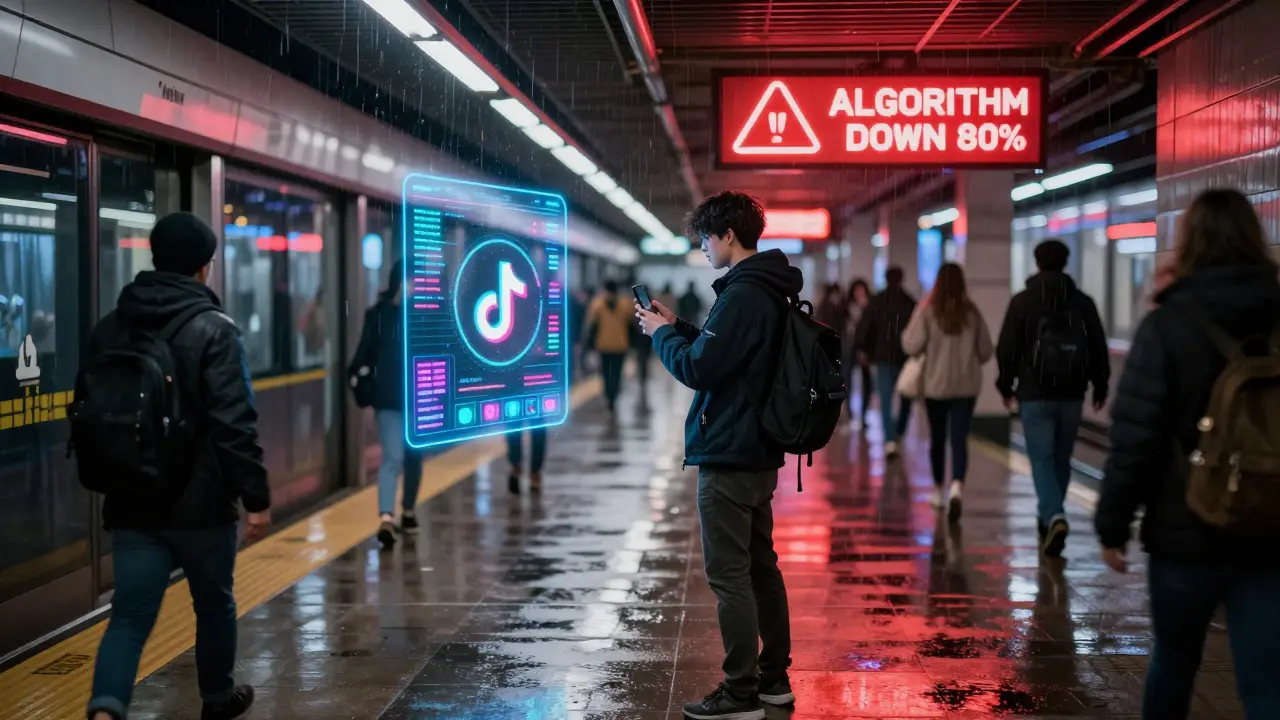
You built an audience on TikTok. You posted every day. You used the right hashtags. Then, overnight, your views dropped 80%. No explanation. No warning. Just silence. That’s the reality of platform dependency. Instagram, YouTube, TikTok-none of them owe you anything. Their algorithms change based on corporate goals, not creator success. A creator in Vancouver lost 70% of her income when YouTube shifted its recommendation engine to favor longer videos. She had to rebuild her entire content strategy in three weeks. The fix? Don’t put all your eggs in one basket. Build your own space: a website, a newsletter, a Discord server. Use social media to drive traffic there, not to live there. Your email list is your asset. Your website is your home. Platforms are just rental houses you can lose at any time.Monetization Is More Complex Than Ever
Six years ago, you could make money by posting videos and letting ads run. Now? That’s not enough. Even top creators with millions of followers often earn less than $20,000 a year from ads alone. The new model requires multiple income streams: subscriptions, digital products, coaching, affiliate links, merch, Patreon, even token-gated communities on blockchain platforms. One creator in Toronto sells a $47 PDF guide on ‘How to Get Brands to Pay You’-and makes $12,000 a month from it. He doesn’t need 100K followers. He needs 2,000 people who trust him. But managing this is exhausting. You’re not just a content maker-you’re a CEO, a marketer, an accountant, a customer service rep. And 66% of creators still treat this as a side hustle. That’s why most never break past $1,000 a month. They don’t have the systems. They don’t have the time. And no one taught them how to build a real business.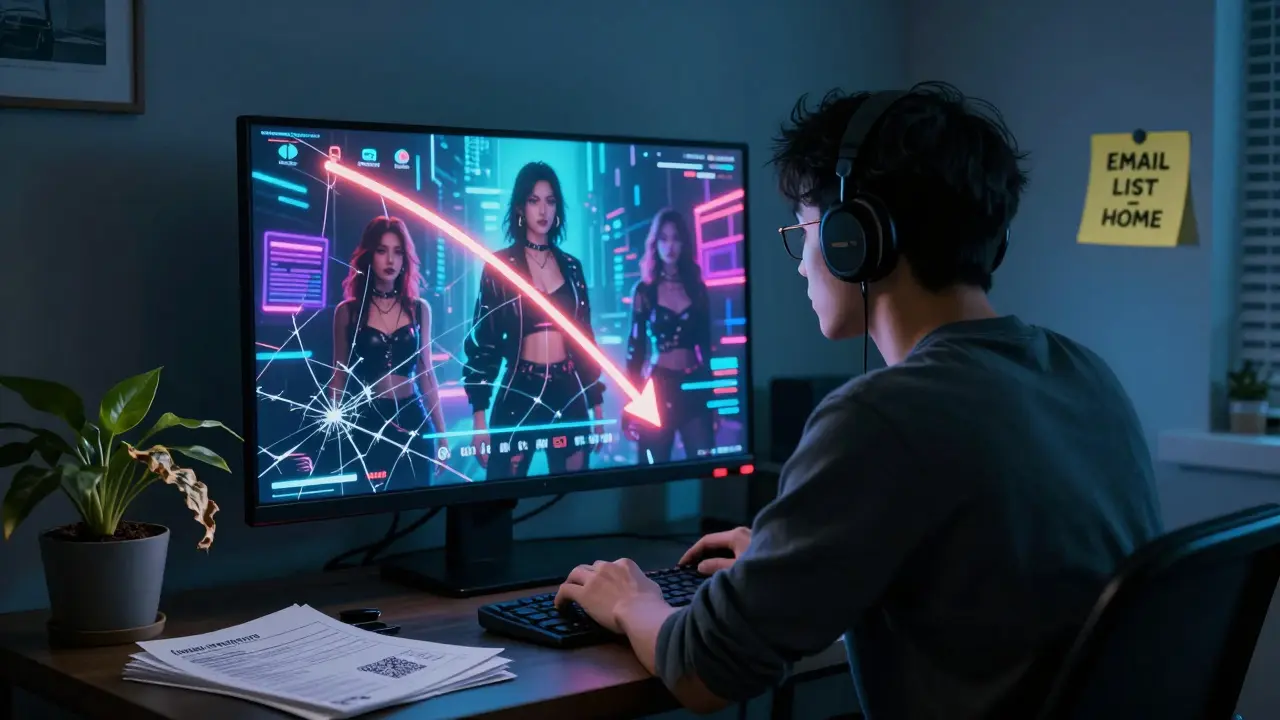
AI Influencers Are Eroding Trust
You scroll past a ‘creator’ who looks real. Her voice is smooth. Her smile is perfect. She’s promoting a skincare line. But she doesn’t exist. She’s AI-generated. Brands love AI influencers. They never get sick. They never demand raises. They can be everywhere at once. Duolingo learned the hard way that when you replace real people with bots, audiences revolt. Their AI-generated TikTok campaign was pulled within 48 hours after users called it ‘creepy’ and ‘deceptive.’ Today, 63% of brands plan to use AI for influencer discovery and content optimization. But consumers? 72% say they’d stop following a creator if they found out they were AI. Authenticity is the last currency that still holds value. If you’re real, say it. If you’re using AI tools to edit your videos or write your captions, disclose it. Trust isn’t optional anymore-it’s your competitive edge.Brands Don’t Know Who to Work With Anymore
Remember when brands only cared about follower count? 100K followers = big deal. 1M = celebrity status. That’s dead. Today, a creator with 8,000 followers in Winnipeg who gets 15% engagement on every post is more valuable than a national influencer with 500K followers and 0.8% engagement. Why? Because her audience trusts her. They comment. They DM. They buy what she recommends. The problem? Brands still use outdated tools. They look at ‘engagement rate’ like it’s a single number. But engagement isn’t just likes. It’s comments that ask questions. It’s shares with personal stories. It’s saves. It’s the tone of the replies. Are people saying ‘I need this’? Or ‘another ad’? The smartest brands now use sentiment analysis tools. They read the comments. They look for recurring themes. They partner with local creators who know their communities better than any algorithm ever could.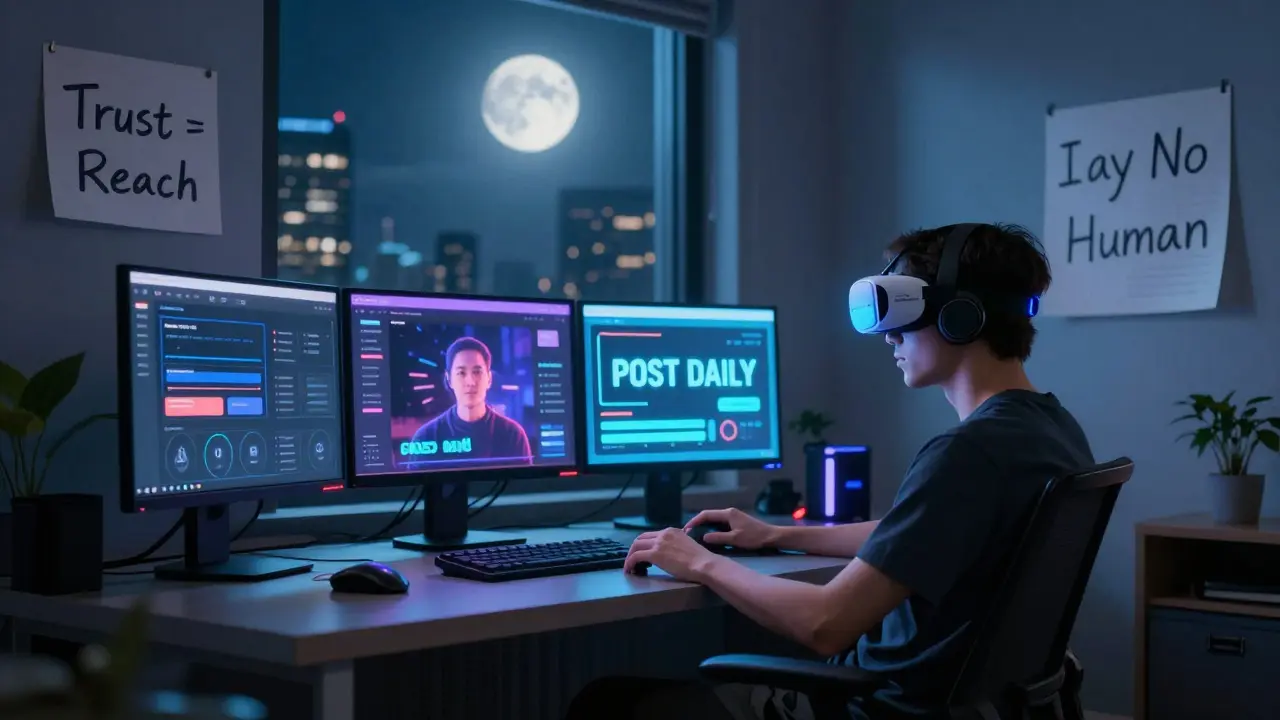
The Relentless ‘More’ Cycle Is Burning People Out
You’re told to post daily. To go live. To do reels. To post stories. To respond to DMs. To optimize thumbnails. To A/B test captions. To learn SEO. To track analytics. To join another platform. To learn AI tools. To monetize everything. This isn’t motivation. It’s exploitation. The creator economy runs on the lie that ‘if you just work harder, you’ll make it.’ But the truth? The system is designed to keep you chasing growth. The more you produce, the more the platforms demand. The more you earn, the more taxes, fees, and platform cuts take. Burnout isn’t rare-it’s the norm. A 2025 survey of 5,000 creators found that 68% felt emotionally drained by their work. 41% had taken a break because they couldn’t keep up. The ones who survive? They set boundaries. They schedule downtime. They say no. They stop comparing themselves to the ‘overnight success’ stories.Technical Overload Is the Hidden Barrier
You don’t need a degree to be a creator. But you do need to understand:- How to use analytics dashboards (not just ‘views’-look at watch time, retention, drop-off points)
- How to structure a sales funnel (free lead → email sequence → paid product)
- How to handle taxes as a self-employed person (especially if you earn in crypto or USD)
- How to negotiate contracts (what ‘exclusivity’ really means)
- How to use AI without losing your voice
What Comes Next?
The creator economy isn’t going away. But the easy wins are over. The era of ‘post and pray’ is dead. Success in 2025 belongs to creators who treat their work like a business-not a hobby. They build assets they own. They prioritize trust over reach. They say no to platforms that drain them. They use AI as a tool, not a replacement. And they stop measuring their worth by follower counts. If you’re a creator, your job isn’t to go viral. It’s to be indispensable to a small group of people. That’s how you survive. That’s how you thrive.Why do most creators fail to make a full-time income?
Most creators treat content creation as a side hustle while juggling full-time jobs, family, or school. They lack systems for monetization, time management, and financial planning. Without multiple income streams-like digital products, subscriptions, or coaching-revenue from ads and sponsorships rarely covers living costs. The 2025 data shows 66% of creators earn under $1,000 a month, and only 12% make enough to quit their day jobs.
Are AI influencers replacing human creators?
No-not yet. While 63% of brands plan to use AI for content optimization and influencer discovery, consumer trust is falling. 72% of users say they’d unfollow a creator if they found out they were AI-generated. Authenticity still drives engagement. AI is a tool for efficiency, not replacement. The most successful campaigns now blend AI for editing and analytics with human creativity for storytelling and connection.
How can creators reduce dependence on social media platforms?
Build your own audience-owned spaces: a website with an email list, a paid newsletter (like Substack), a Discord server, or a membership site. Use social media only to drive traffic to these assets. For example, post a short clip on TikTok with a link to your free guide on your website. That way, even if TikTok bans your account, you still own your audience. Email lists have a 40%+ open rate-far higher than any algorithm.
What metrics should creators track instead of followers?
Focus on engagement depth: comment sentiment, shares with personal stories, saves, click-through rates to your website, and conversion rates on your offers. A creator with 5,000 followers who gets 50 meaningful comments per post and 150 email signups per month is more valuable than someone with 100K followers who gets 200 likes and zero conversions. Track what moves people to act-not just what gets their attention.
Is blockchain relevant to the creator economy in 2025?
Yes, but not in the way most think. Blockchain isn’t about NFTs or crypto payments for most creators. It’s about ownership. Decentralized platforms like Lens Protocol or Farcaster let creators own their profiles and data, not platforms. Some are using token-gated communities where fans hold a small crypto token to access exclusive content. This reduces reliance on Instagram or YouTube. It’s still early, but it’s growing fast among tech-savvy creators who want true independence.
How do you know if you’re burning out as a creator?
You’re burned out if you dread posting, feel guilty taking days off, compare yourself constantly, or feel like your creativity is gone. Burnout isn’t tiredness-it’s emotional depletion. If you’ve stopped enjoying creating and are only doing it for numbers, it’s time to pause. Take a week off. Delete apps. Reconnect with why you started. The best content comes from presence, not pressure.
What’s the biggest mistake new creators make?
Trying to be everything to everyone. They copy trending formats, chase viral sounds, and post on every platform at once. The result? No clear identity, no loyal audience, and zero income. The winners focus on one niche, one platform, one audience. They solve one specific problem better than anyone else. Then they grow from there.
Success in the creator economy isn’t about luck. It’s about strategy, boundaries, and owning your audience. The tools are here. The audience is waiting. But the system won’t reward hustle anymore. It rewards depth.

Comments
22 Comments
Alex Strachan
Bro. I just posted a 10-minute TikTok about how to organize your sock drawer and got 3 views. 3. My cat got more likes. 😭 The algorithm is literally trolling us now.
Rick Hengehold
Stop chasing algorithms. Build your own damn platform. Email list. Website. Done. No one owes you visibility. Own your audience or get out.
Brandon Woodard
I must respectfully assert that the notion of 'content saturation' is not merely a market condition-it is a systemic failure of attention economics. We are drowning in noise because we have abandoned the sacred contract of authenticity. 🙏
Antonio Snoddy
You know what the real problem is? We’re all just ghosts in the machine now. Posting into the void, hoping some algorithmic god will whisper back. We used to create because it felt like breathing. Now it’s like trying to breathe through a wet sock. And AI influencers? They don’t sleep. They don’t cry. They don’t have bad hair days. They’re the future. And we’re the outdated firmware. 💔
Daniel Verreault
yo fr the niche thing is 100% real. i was doing generic gym tips for 2 yrs. then i switched to 'postpartum core rehab for runners' and my dm's blew up. 2k peeps, 12k/mo from a $47 pdf. no cap. stop being generic. be weird. be specific.
Jacky Baltes
The platforms are designed to extract. Not to elevate. We’ve confused visibility with value. The moment you stop measuring your worth in likes and start measuring it in impact, you begin to reclaim your power. Quietly. Consistently. Without applause.
prashant choudhari
Most creators fail because they dont have systems. They think content is the product. It is not. The product is the relationship. Build trust. Monetize trust. Nothing else matters.
Willis Shane
I find it deeply concerning that creators continue to treat their livelihoods as side hustles. This is not a hobby. It is a small business. And yet, 66% operate without basic financial infrastructure. This is reckless. And unsustainable.
Jake West
Lmao you people think you’re entrepreneurs? You’re just glorified content slaves. The real winners are the ones who built the platforms. You’re the ones cleaning their toilets with your sweat.
Shawn Roberts
just start small dumb it down and be real like honestly who cares if your video is 4k or has fancy edits if you just say hey im struggling too and here’s what worked for me like thats all people need
dina amanda
This is all a psyop. The government and Big Tech are using AI influencers to replace real humans so they can control what we think. You think your niche audience matters? They’re watching you. They’re tracking you. They’re replacing you with bots. Wake up.
Emily L
I saw a guy on TikTok with 500k followers and he’s literally just reading Wikipedia articles. Like bro you’re not a creator you’re a voice actor for a robot. I’m done.
Gavin Hill
The real question is not how to grow but how to stay sane. The system is rigged. The only power we have left is the power to walk away. And maybe that’s the most radical act of all.
SUMIT RAI
Nah bro you all wrong. AI influencers are the future. Human creators are outdated. You crying because you cant compete with a perfect face and zero emotional needs? That’s your problem not the system.
Andrea Stewart
If you’re using AI to write your captions, disclose it. If you’re editing your voice with AI, say so. Trust is built on transparency. And if you’re not transparent, you’re not a creator-you’re a vendor. Big difference.
surendra meena
I was a creator for 3 years. I made $800. I cried every night. I lost my girlfriend. My parents think I’m a failure. I had to go work at Walmart. Now I’m watching some 19-year-old with a green screen sell $200 courses on 'how to be a creator'. I’m not mad. I’m just... done.
Kevin Gilchrist
The creator economy is a cult. And we’re the acolytes chanting 'post daily' while our souls rot in the glow of our laptop screens. We’re not building businesses-we’re building digital graves. And the AI influencers? They’re the ghosts haunting our funerals. 🕯️
Khaitlynn Ashworth
Oh wow you think your 2k followers are 'engaged'? They probably just saved your post to screenshot later and then forget you exist. And your 'niche'? Everyone’s doing that now. You’re not special. You’re just loud.
NIKHIL CHHOKAR
I appreciate your perspective but I must point out that the real issue is not the algorithm or AI-it’s the lack of moral courage. Most creators are too afraid to be truly vulnerable. They hide behind polish. And that’s why no one trusts them. Authenticity isn’t a strategy. It’s a moral imperative.
Mike Pontillo
They say 'own your audience'. But what if your audience is just a bunch of broke college kids who DM you 'can you send me that free template?' and never buy anything? You own a ghost town.
Joydeep Malati Das
The most successful creators I know don’t post every day. They post when they have something true to say. And they take Sundays off. They sleep. They walk. They do nothing. And that’s how they stay sharp.
Rick Hengehold
You said it. But let’s be clear: if you’re not building an email list right now, you’re already behind. 40% open rates. No algorithm can touch that. Start today. Not tomorrow.
Write a comment