




Social Token Revenue Calculator
Revenue Calculator
Social tokens generate revenue through perpetual royalties on every secondary transaction. By setting a strategic royalty rate (5-10% as recommended in the article), creators earn ongoing income from their community's engagement.
Key Insight: Higher royalty rates may reduce secondary market activity, while lower rates could limit revenue potential. Find the right balance based on your token's utility and community engagement.
Estimated Monthly Revenue
Total Value of Transactions:
Your Royalty Share:
Estimated Monthly Revenue:
Estimated Annual Revenue:
Social Token is a blockchain‑based digital asset that creators issue to monetize their work and reward community members. Unlike typical cryptocurrencies, a social token ties its value to the creator’s brand, engagement levels, and the exclusive perks it unlocks. In the fast‑growing creator economy, these tokens have become a bridge between fans and creators, turning loyalty into a tradable, revenue‑generating relationship.
How Social Tokens Differ From Traditional Monetization
Creators have long relied on ads, brand deals, or subscription platforms. Those models keep the revenue stream in the hands of a third‑party platform, which also controls data and takes hefty fees. A social token flips the script: the creator owns the smart contract, sets royalty fees, and decides what each token grants-access to private Discord channels, early‑bird merch drops, or voting rights on upcoming projects.
Core Value Drivers
- Community Demand: Token price rises as the creator’s audience grows and engages more frequently.
- Transparency: All transactions are recorded on a public ledger, so holders can see real‑time market depth on both centralized exchanges (CEXs) and decentralized exchanges (DEXs).
- Perpetual Royalties: Smart contracts can be coded to take a % fee on every resale, giving creators a continuous income stream.
Utility Framework: More Than Just a Ticket
Utility is the heart of any successful social token. A token that only serves as a payment method quickly loses relevance. Here are the most common utility layers creators embed:
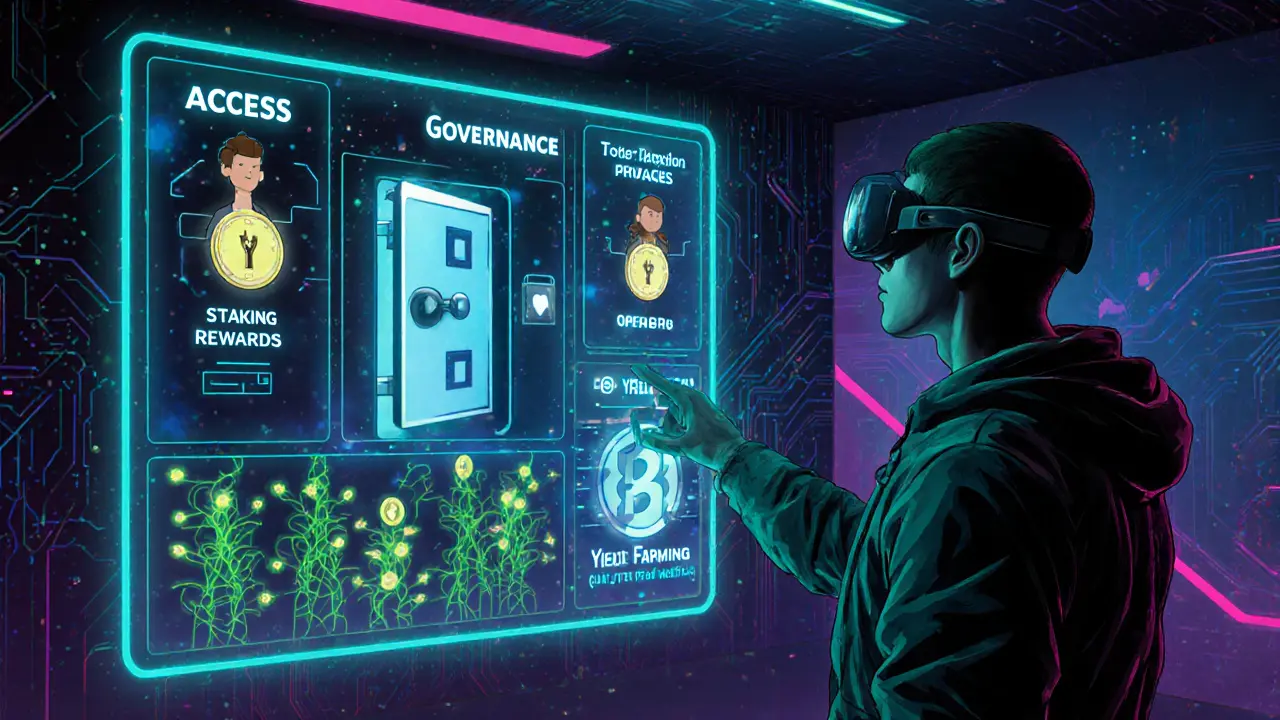
- Access Tokens: Unlock private chat groups, exclusive livestreams, or behind‑the‑scenes content.
- Governance Rights: Token holders vote on things like album artwork, video concepts, or product features.
- Staking Rewards: Holders lock tokens in a smart contract to earn additional tokens or early‑access NFTs.
- Yield Farming: Tokens can be paired with DeFi protocols to generate yield, turning community support into a financial instrument.
Choosing the Right Blockchain
| Blockchain | Avg. Gas Fee (USD) | Tx Speed (seconds) | Ecosystem Support |
|---|---|---|---|
| Ethereum | 2.50 | 12‑15 | Largest DeFi & NFT market, robust tooling |
| Polygon | 0.02 | 2‑3 | Layer‑2 scaling, low fees, Ethereum compatibility |
| Solana | 0.001 | 0.4‑0.6 | High‑throughput, growing creator‑focused dApps |
For newcomers, Polygon often offers the best balance of cost and ecosystem familiarity. Creators who prioritize ultra‑fast transactions may lean toward Solana, while those wanting the deepest DeFi integrations might stay on Ethereum despite higher fees.
Designing Tokenomics That Incentivize Holders
A token’s economic design-its tokenomics-determines whether holders see it as a speculative asset, a utility badge, or both. Below is a quick checklist to avoid common pitfalls:
- Supply Caps: Unlimited supply can dilute value; a fixed cap creates scarcity.
- Royalty Rate: Too high can deter secondary market trading; 5‑10% is a sweet spot for most creators.
- Reward Schedule: Staking yields should be competitive but sustainable; consider a tiered model where early supporters earn higher rates.
- Utility Roadmap: Publish a timeline of upcoming perks-e.g., Q2: private AMA, Q3: token‑gated merch-to keep demand steady.
Launching Your Social Token
Launching is more than a technical push; it’s a community‑building event. Follow these steps:
- Survey your most engaged fans to gauge interest and collect wallet addresses.
- Choose a blockchain and set up a smart contract-many platforms offer one‑click token generators for Ethereum, Polygon, and Solana.
- Create a landing page that outlines token benefits, supply, and the royalty structure.
- Run a pre‑launch campaign using teaser videos, countdown timers, and early‑bird incentives (e.g., extra tokens for the first 100 buyers).
- Open the token on a DEX or CEX, provide liquidity, and announce the listing on your social channels.
- Post‑launch, deliver promised utilities weekly to maintain holder engagement.
Market Dynamics & Price Fluctuations
Because a social token’s price is tied to a creator’s fame, it reacts to both on‑chain activity and off‑chain events. A new viral video can spike demand, while a controversy can cause a rapid sell‑off. Additionally, broader crypto market sentiment-Bitcoin’s price swings, regulatory news-affects liquidity on DEXs. To keep price stability, many creators introduce “buy‑back” programs where a portion of revenue is used to repurchase tokens during market dips. This not only cushions price drops but also signals confidence to the community.

Future Trends: From Access Passes to Full‑Blown Financial Products
Social tokens are evolving quickly. Here are three trends we see gaining traction by 2026:
- DeFi Integration: Tokens will be usable as collateral in lending protocols, letting fans borrow against their loyalty.
- Cross‑Chain Bridges: Creators will issue tokens on multiple chains, giving fans the choice of cheapest network for transactions.
- Dynamic Governance: Voting power could be weighted by token holding duration, preventing short‑term speculation from dominating decisions.
These developments turn a simple community badge into a multi‑layered financial asset, blurring the line between fandom and investment.
Quick Checklist for Creators
- Define clear, non‑speculative utility before launch.
- Select a blockchain that balances cost, speed, and ecosystem.
- Set a transparent royalty fee and publish it on the token’s smart contract.
- Prepare a post‑launch content calendar to keep holders engaged.
- Monitor on‑chain metrics (holder count, transaction volume) weekly.
Next Steps for Interested Creators
If you’re ready to experiment, start by creating a simple token on Polygon’s testnet. Use a wallet like MetaMask, follow the platform’s step‑by‑step guide, and mint a few hundred tokens. Invite a handful of superfans, ask for feedback, and iterate on the utility roadmap. Once the prototype feels solid, scale up to the mainnet, add a liquidity pool, and announce the launch.
Frequently Asked Questions
What is the difference between a social token and an NFT?
A social token is a fungible asset-each token is identical and interchangeable-while an NFT is a unique, non‑fungible token that represents a single piece of digital property. Social tokens usually serve as access passes or governance tools, whereas NFTs often certify ownership of a specific artwork or collectible.
Do I need a blockchain background to launch a token?
Not really. Many platforms offer one‑click token generators that handle the smart‑contract code for you. You’ll still need a digital wallet and a basic understanding of gas fees, but you don’t have to be a developer.
How can I ensure my token retains value over time?
Consistently deliver the promised utilities, keep the community informed, and consider buy‑back or staking mechanisms that reward long‑term holding. Transparency and regular engagement are key drivers of sustained value.
Are there legal risks involved?
Regulations vary by jurisdiction. In many countries, social tokens are treated as utility tokens rather than securities, but it’s wise to consult a legal professional, especially if you intend to raise funds through token sales.
Can I combine a social token with existing subscription platforms?
Absolutely. Some creators layer token‑gated access on top of Patreon or OnlyFans, letting fans unlock premium tiers with either fiat subscriptions or token holdings.


Comments
21 Comments
Michael Bagryantsev
Social tokens really shift the power back to creators. By owning the smart contract you can set your own royalty rates and decide which perks matter most. It also gives fans a tangible way to support you beyond likes and follows. The transparency of on‑chain data helps both sides feel secure about the relationship.
Just remember to keep the utility clear so people know why they should hold the token.
Maria Rita
Wow, this guide feels like a backstage pass to the future of creator‑fan interaction! I love how you broke down the tokenomics into bite‑size steps. The checklist at the end is pure gold for anyone nervous about diving in. Seriously, I’m bookmarking this for my next launch.
Jordann Vierii
Great overview! If you’re looking to tap into global audiences, think about the cultural relevance of your perks. Some fans might value exclusive merch more than Discord access, while others want voting rights on new content. Tailoring utility to different regions can really boost demand.
Lesley DeBow
Interesting read. The idea of using tokens as collateral in DeFi could turn fandom into a financial strategy. Yet we must ask whether fans truly understand the risk of locking loyalty into volatile markets. It’s a delicate balance between empowerment and speculation.
DeAnna Greenhaw
One cannot overlook the inherent elitism embedded within tokenized ecosystems. By structuring scarcity through capped supplies, creators inadvertently craft a hierarchy that privileges early adopters over latecomers. While this may drive short‑term hype, it risks alienating the very community that fuels sustained growth. A more inclusive design-perhaps dynamic supply adjustments tied to engagement metrics-could mitigate such stratification. Moreover, the rhetoric surrounding "utility" often masks speculative motives, blurring the line between genuine fan rewards and financial engineering. Ultimately, the pursuit of elegance in tokenomics must be balanced against the ethical imperative to foster equitable participation.
Luke L
Look, if you’re going to talk about creator sovereignty, you better stop pretending everyone’s fine with crypto hype. Most of your audience can’t even set up a wallet, let alone understand royalties. You’re just feeding a niche bubble while the rest of us keep making content the old way.
Michael Grima
Cool, another token hype.
Michael Bagryantsev
I get where you're coming from, but dismissing the whole space ignores the genuine value many creators are already extracting. Not every fan needs a crypto‑savvy background; platforms are simplifying onboarding, and the royalty streams are real revenue that can fund future projects.
Cynthia Chiang
Thanks for the thorough breakdown! I think the biggest challenge is keeping the community engaged after the launch. Regularly updating the utility roadmap and celebrating milestones can keep fans excited. Also, don’t forget to test the token on a testnet first – it saves a lot of headaches.
Hari Chamlagai
While the guide is solid, it glosses over the regulatory grey area. In many jurisdictions, issuing a token that yields royalties could be interpreted as a security. Creators should consult legal counsel before launching to avoid potential fines or forced token shutdowns.
Della Amalya
Love the emphasis on staking rewards! It gives fans a reason to hold long‑term rather than flip for quick profit. Just make sure the yields are sustainable; otherwise you’ll see a massive sell‑off once the initial excitement fades.
VEL MURUGAN
Your checklist is a great start, but I'd add a metric for on‑chain activity, like monthly active holders. Tracking that alongside transaction volume can give you a clearer picture of community health beyond just price.
Russel Sayson
From a philosophical standpoint, social tokens blur the line between art and commerce. When a fan's loyalty becomes tradable, we must ask: are we monetizing affection or fostering deeper connection? The answer lies in transparent tokenomics and genuine utility that serves the community first.
Millsaps Crista
Solid advice on starting with Polygon. The low fees are perfect for newer creators who don’t want to scare away fans with high gas costs. Just keep an eye on network congestion; even cheap chains can get pricey during spikes.
Matthew Homewood
Interesting point about buy‑back programs. It reminds me of traditional equity buy‑backs, but here it signals confidence directly to the fanbase. If executed transparently, it can stabilize price and reinforce trust.
Jordan Collins
The comparison table is very helpful. Seeing gas fees and transaction speeds side‑by‑side makes the decision process much clearer. For many creators, the trade‑off between cost and speed will dictate the blockchain choice.
Andrew Mc Adam
Okay, let me break this down for the newbies out there, because the whole social‑token thing can feel like stepping into a sci‑fi novel without a translator. First off, you need a wallet – think of it as your digital pocket where you’ll keep all your tokens. MetaMask is the most popular, but there are others like Trust Wallet or Coinbase Wallet if you prefer a mobile‑first approach. Once you’ve got that, head over to a token‑generator platform – these are basically the "one‑click" tools that take care of the smart‑contract coding for you; examples include Token Mint, Mintable, or even some DEX front‑ends that let creators spin up a token in minutes.
Now, the choice of blockchain matters. Ethereum is the OG, with the biggest ecosystem, but you’ll be paying upwards of $2‑$3 per transaction – that’s okay if you’re expecting high volume, but for early fans it can be a barrier. Polygon, on the other hand, slashes fees to pennies and still rides on the Ethereum security umbrella, making it a sweet spot for most creators just starting out. Solana is lightning‑fast and near‑free, but its tooling is still catching up for creators who aren’t developers.
Supply caps? Keep it reasonable – think of how many fans you realistically want to reward. Too many and the token loses scarcity; too few and you might alienate late‑joiners. A common approach is to set a soft cap (say 10k tokens) and then mint more later if demand spikes, but be transparent about that plan.
Royalty rates – the percentage you’ll take on every resale – should sit in the 5‑10% range. Anything higher and you’ll scare off secondary‑market traders, which is where a lot of the community engagement happens.
Utility is the heart of it all. The token should unlock something you already plan to offer – private Discord, early‑bird merch, exclusive livestreams, or even voting on what content you produce next. If you can layer in staking – where fans lock up tokens for extra rewards – you create a financial incentive to HODL, which stabilizes price and keeps the community engaged over time.
Lastly, market your launch like a concert. Tease the token, give early‑bird bonuses, set a clear timeline (Q1: AMA, Q2: limited‑edition merch) and smash that with regular updates. Consistency is key; if you promise a private AMA and never show up, your token’s value will nosedive faster than a meme coin after a Twitter rant.
Bottom line: start simple, pick Polygon for low fees, define clear utility, and keep delivering on promises. If you can do that, you’ll turn a handful of superfans into a thriving, token‑gated community that actually generates revenue beyond ad‑revenue or brand deals.
Shrey Mishra
From a formal perspective, the integration of social tokens into existing subscription platforms can be seamless if the API endpoints are properly aligned. For instance, a creator can maintain a Patreon tier but require token holdings for access to premium content, thereby leveraging both fiat and crypto economies. The key is transparency in how token utility maps onto the existing subscription benefits.
Ken Lumberg
It’s essential to view token launches through an ethical lens. If creators promise perpetual royalties without disclosing the legal implications, they risk misleading their audience. Moral responsibility demands clear communication about risks and realistic expectations.
Kyla MacLaren
i think it’s cool how you laid out the steps. just make sure to keep the language simple for fans who aren’t into techy stuff. good luck!
John Beaver
Very helpful guide. I’d add a reminder to double‑check the contract code for any hidden backdoors before you go live. Better safe than sorry.
Write a comment