



Imagine holding your Bitcoin is a digital asset that serves as a decentralized store of value and medium of exchange in Portugal for just over a year and paying zero tax on the profit when you sell. For many investors, this sounds too good to be true, but it is the reality under the current Portuguese tax framework. Since the 2023 "Orçamento de Estado" reform, Portugal has shifted from a completely tax-free zone to a structured system that still offers one of the most attractive environments in Europe for long-term holders. If you are considering moving your residency or simply optimizing your tax strategy, understanding the nuances between short-term speculation and long-term investment is critical.
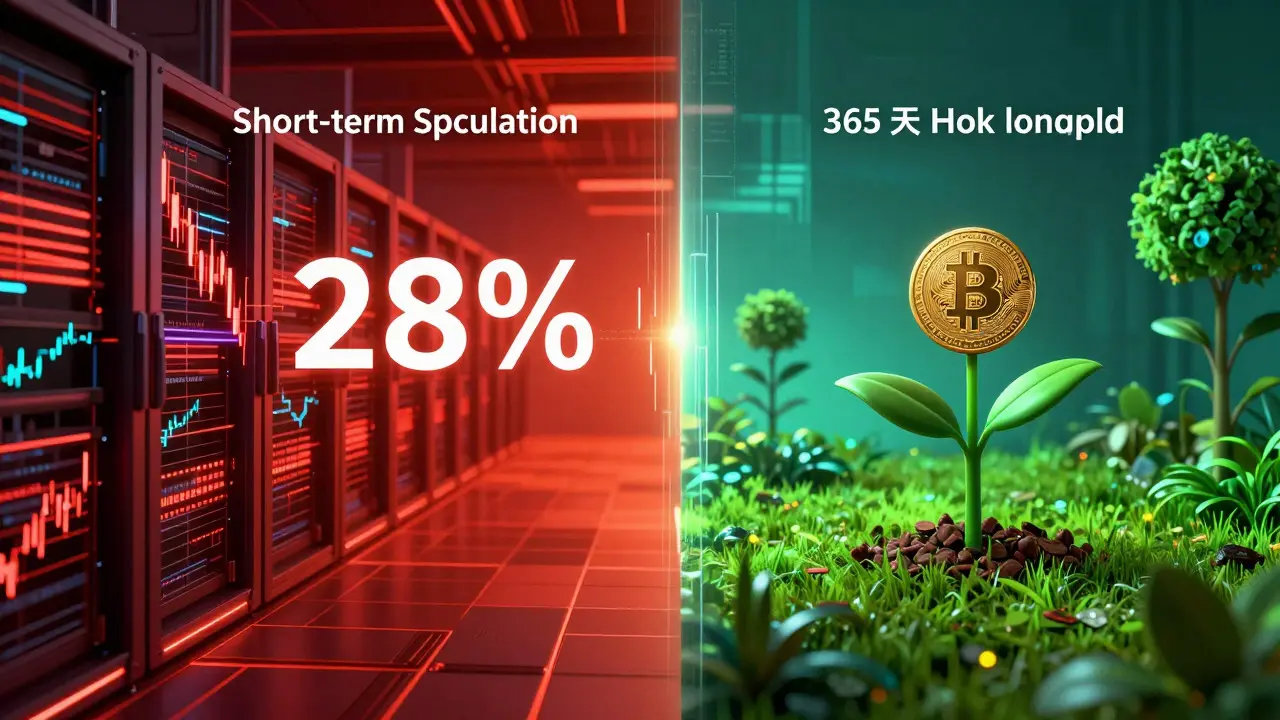
The core appeal lies in the distinction between how the government treats passive income versus professional activity. While short-term traders face a flat 28% rate, those who hold their assets for more than 365 days can enjoy complete tax exemption on capital gains. This creates a clear incentive for patience and disciplined portfolio management, setting Portugal apart from neighbors like France and Germany where the tax burden remains high regardless of holding period.
How the Three-Category Tax System Works
To navigate Portugal's cryptocurrency tax system operates through three distinct categories defined in the Personal Income Tax (PIT) Code. Understanding which bucket your activity falls into determines your effective tax rate and compliance requirements.
- Category G (Capital Gains): This applies to most individual investors trading Bitcoin or other cryptocurrencies. If you sell an asset held for less than 365 days, you pay a flat 28% tax on the profit. However, if you hold the asset for more than one year, the gain becomes tax-free, provided the asset is not classified as a security and is held within the European Economic Area (EEA).
- Category E (Capital Income): This covers passive income derived from crypto, such as staking rewards, lending interest, and airdrops. Unlike capital gains, there is no long-term exemption here. All income from these sources is taxed at a uniform 28% flat rate with no withholding tax applied at the source.
- Category B (Self-Employment Income): If you treat crypto as a business-such as high-frequency trading, mining, or providing transaction validation services-you fall into this category. The tax rates are progressive, ranging from 14.5% to 53% depending on your total annual earnings. This category is designed to capture professional activities rather than occasional investing.
The key takeaway is that the vast majority of retail investors will operate primarily under Category G. The simplicity of the 28% flat rate for short-term gains makes calculation straightforward, while the long-term exemption rewards strategic holding periods.
Long-Term Exemption vs. Short-Term Gains
The 365-day rule is the cornerstone of Portugal’s Bitcoin tax benefits. To qualify for the tax-free status, you must track your acquisition dates precisely. The clock starts on the day you purchase the asset and stops on the day you sell it. If you buy Bitcoin on January 1, 2026, and sell it on January 2, 2027, you have met the one-year threshold, and any profit realized is exempt from income tax.
This structure encourages a "buy and hold" mentality. In contrast, jurisdictions like Germany apply progressive income tax rates up to 45% for short-term holdings, offering similar long-term exemptions but with a much steeper penalty for early exits. France imposes a 30% flat tax on all crypto gains, including social contributions, leaving little room for optimization. Portugal’s model allows investors to rebalance portfolios without immediate tax consequences, provided they respect the holding period.
| Country | Short-Term Gains Rate | Long-Term Exemption | Passive Income (Staking/Lending) | Crypto-to-Crypto Exchange |
|---|---|---|---|---|
| Portugal | 28% Flat | Yes (>365 days) | 28% Flat | Not Taxable Event |
| Germany | Progressive (up to 45%) | Yes (>1 year) | Progressive (up to 45%) | Generally Not Taxable |
| France | 30% Flat (including social charges) | No | Progressive (up to 45%) | Taxable Event |
The Impact of the Non-Habitual Residence Program
For digital nomads and expats, the Non-Habitual Residence (NHR) Program adds another layer of advantage. Although the NHR regime has undergone changes in recent years, qualifying residents often benefit from a 20% flat rate on Portuguese-sourced income and exemptions on most foreign earnings. When combined with the local crypto tax rules, this creates a powerful synergy for international investors.
Digital nomads particularly appreciate the combination of crypto-friendly policies with NHR benefits. It allows them to maintain their primary residence in a favorable jurisdiction while enjoying Portugal’s quality of life and stable regulatory environment. The Golden Visa program also provides additional pathways, including Bitcoin-linked investment funds that can qualify for residency, making it easier for high-net-worth individuals to establish a legal base in the country.
Navigating Professional Trading Risks
While the investor-friendly aspects are well-documented, professional traders need to be cautious about classification. If your trading activity is frequent, systematic, and generates significant income, the Portuguese tax authorities may reclassify you from an individual investor (Category G) to a self-employed trader (Category B). This shift moves you from a flat 28% rate to progressive rates that can reach 53% for high earners.
To avoid this, investors should document their intent clearly. Occasional trading, driven by market events or personal financial goals, generally stays within Category G. However, high-volume trading with daily transactions or using advanced algorithmic strategies might trigger scrutiny. Keeping detailed records of your trading frequency and rationale helps defend your status during audits. The line between "investor" and "professional" is subjective, so consulting with a local tax advisor is prudent if your annual volume exceeds certain thresholds.
Compliance and Documentation Requirements
Even with favorable rates, compliance is mandatory. You must file an annual tax return declaring your crypto activities. The process involves categorizing each transaction under the appropriate PIT Code category. For Category G, you need to prove your holding period to claim the exemption. This means maintaining accurate records of purchase dates, sale dates, and cost basis for every coin.
Tools like CoinTracking help automate this process by importing trades from exchanges and wallets, calculating gains, and generating reports specifically for Portuguese compliance. The Autoridade Tributária e Aduaneira (AT), Portugal’s tax authority, currently has limited resources to track undisclosed holdings, but infrastructure development is ongoing. As global crypto reporting standards tighten, expect enforcement to become more robust. Staying ahead of these changes by keeping clean records now saves headaches later.

Strategic Advantages for Portfolio Optimization
One of the most underrated benefits of Portugal’s system is the treatment of crypto-to-crypto exchanges. Unlike many jurisdictions that treat swapping Bitcoin for Ethereum as a taxable event, Portugal generally does not trigger immediate tax liabilities for these swaps. This flexibility allows investors to rebalance their portfolios, diversify into new assets, or hedge against volatility without realizing capital gains prematurely.
This feature is crucial for active managers who want to adjust their exposure without locking in taxes. It enables a more dynamic approach to portfolio management, similar to traditional stock markets where reinvesting dividends or swapping positions doesn't always trigger immediate tax events. Combined with the long-term exemption, Portugal offers a toolkit for both passive holders and active optimizers.
Frequently Asked Questions
Is Bitcoin completely tax-free in Portugal?
No, not entirely. Since 2023, short-term gains (held less than 365 days) are taxed at 28%. However, long-term gains (held more than 365 days) remain tax-free for individual investors. Passive income like staking is always taxed at 28%.
What counts as a taxable event in Portugal?
Selling crypto for fiat currency (like EUR) is a taxable event. Receiving staking rewards or airdrops is also taxable as passive income. Swapping one crypto for another is generally not a taxable event unless converted to fiat.
Can I use the NHR program for crypto income?
Yes, if you qualify for Non-Habitual Residence status, you may benefit from reduced rates on Portuguese-sourced income. However, specific rules for crypto under NHR can be complex, so it is best to consult a local tax expert to ensure proper application.
How do I prove my holding period for tax exemption?
You need to keep detailed records of your purchase and sale dates. Using tax software that imports data from your exchanges and wallets can help generate accurate reports showing the 365-day+ holding period for each asset sold.
Will professional traders pay higher taxes?
Yes. If your trading is classified as a business activity (Category B), you will be subject to progressive income tax rates ranging from 14.5% to 53%, rather than the flat 28% rate for individual investors.