




The landscape for digital assets in Russia has shifted dramatically over the last few years. If you thought the country was moving toward full adoption, think again. The Central Bank of Russia is the nation's primary financial regulator that maintains a strict, risk-averse stance on cryptocurrencies to protect monetary stability (CBR) has built one of the most restrictive regulatory frameworks in the world. As we move through 2026, the message from Moscow is clear: crypto is not money, it is a high-risk asset, and its use is tightly controlled.
This isn't just about banning Bitcoin transactions. It’s about a complex dual-track system where domestic payments are strictly prohibited, but international trade has found a narrow loophole. For businesses, investors, and anyone operating within or with Russia, understanding these specific rules-especially the new capital requirements hitting banks in 2026-is critical to avoiding legal trouble and financial loss.
The "CryptoBasel" Framework: New Capital Rules for Banks
In 2026, the banking sector in Russia faces a significant tightening of the screws. The CBR has introduced stricter capital requirements for any bank dealing with cryptocurrency-related activities. Experts in the field, like Andrey Tugarin from GMT Legal, have dubbed this approach "CryptoBasel." This refers to the application of Basel II, III, and IV international banking standards specifically to digital assets.
Here is what changes for financial institutions:
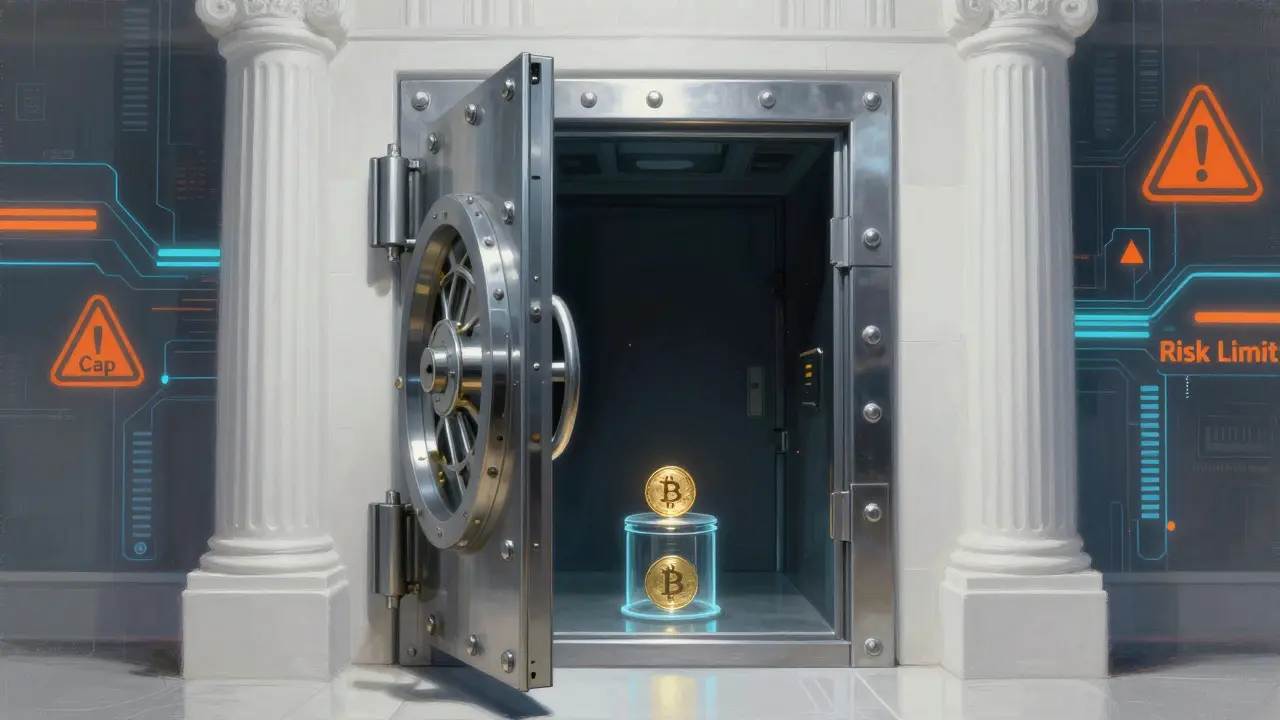
- The 1% Cap: Digital asset transactions cannot exceed 1% of a bank’s total capital. This effectively limits institutional exposure to crypto to minimal levels.
- Full Coverage Requirement: Based on the informational letter IN 03-23/87 issued in May 2025, banks must fully cover any cryptocurrency investments with their own assets. For every ruble of investor funds involved, the bank must back it with a ruble of its own capital.
- Loan Restrictions: Banks face severe restrictions on extending loans to cryptocurrency firms.
Why does this matter? Because it makes it nearly impossible for traditional Russian banks to facilitate large-scale crypto trading or lending. The CBR views cryptocurrencies as highly risky assets that threaten systemic stability. By forcing banks to absorb all potential losses themselves, the regulator removes the incentive for banks to engage deeply with the crypto market.
The Experimental Legal Regime (ELR): A Controlled Sandbox
You might hear about the Experimental Legal Regime is a limited legal framework allowing specific cryptocurrency activities under strict supervision by the Central Bank of Russia (ELR). This is the only place where crypto activity is explicitly permitted for residents, but it is far from open access. The ELR creates a controlled environment-a sandbox-for testing blockchain technologies and digital asset mechanisms.
Participation is restricted to "especially qualified" investors. These are not everyday retail users. To join, you must meet high financial thresholds and pass stringent vetting processes. The goal is to allow innovation while keeping the general public away from the volatility and risks associated with digital assets.
Crucially, the CBR has proposed a ban on cryptocurrency settlements between residents who are outside this ELR. Violating this prohibition carries liability. This means that if you are a regular resident in Russia, buying Bitcoin to pay for groceries or even transferring crypto to a friend is illegal. The ELR is an exception for specific projects, not a green light for general usage.
The International Trade Loophole
There is a major contradiction in the current policy, driven by necessity. In the summer of 2024, new legislation permitted the use of digital currencies for international trade. This was a direct response to Western sanctions that cut off many Russian companies from the SWIFT payment system.
This created a "critical loophole." Companies can now conduct business abroad using crypto, bypassing traditional banking channels that have blocked them. However, this permission is strictly limited to cross-border transactions. The domestic ban remains firm. You cannot use crypto to pay for goods inside Russia. This dual approach allows the state to maintain control over the domestic monetary supply while giving exporters and importers a way to survive economic isolation.
| Scenario | Legal Status | Regulatory Body | Key Constraint |
|---|---|---|---|
| Domestic Payments (Retail) | Prohibited | Central Bank of Russia | Ban on settlements between residents |
| International Trade | Permitted (Limited) | Ministry of Finance / CBR | Must comply with AML/KYC; no domestic circulation |
| Bank Investment | Restricted | Central Bank of Russia | Max 1% of bank capital; full self-funding required |
| ELR Participation | Allowed | Central Bank of Russia | Qualified investors only; strict vetting |
Surveillance and Compliance: The End of Anonymity
If you operate in this space, anonymity is dead. The CBR’s compliance requirements are exceptionally comprehensive, drawing heavily on international anti-money laundering (AML) standards. Financial institutions must implement robust AML measures, with specific focus on peer-to-peer (P2P) transactions used for crypto trading.
Key compliance mandates include:
- Mandatory KYC: Know Your Customer requirements are strict for all qualified investors and service providers.
- Tax Reporting: Crypto transactions exceeding 600,000 rubles must be reported to tax authorities.
- De-anonymization Platform: The CBR has developed a digital platform in collaboration with the Ministry of Digital Development to de-anonymize cryptocurrency users. This creates comprehensive surveillance capabilities, linking wallet addresses to real identities.
The state expects all crypto service providers-from legitimate exchanges to "grey market" intermediaries-to integrate into this regulated system. Those who refuse face blocking. This extends to platforms, miners, and brokers alike. It is a binary choice: comply with the state-regulated system or be eliminated from the Russian market.

Stablecoins and Future Regulations
While the overall tone is restrictive, there is active development regarding stablecoins. Deputy Finance Minister Ivan Chebeskov confirmed that Russia aims to finalize new rules for stablecoins by the end of 2025. The Ministry of Finance (Minfin) and the Central Bank are working jointly on these frameworks.
The goal here is alignment with international standards. At the Moscow Financial Forum, officials emphasized creating regulations that "benefit businesses and citizens" while building investor confidence. However, do not mistake this for liberalization. The CBR continues to view crypto-based financial instruments and securities linked to cryptocurrency values as threats to the financial system. The upcoming regulations will likely bring these instruments under stricter oversight rather than freeing them up.
Rosfinmonitoring, the federal service for financial monitoring, has openly discussed establishing regulation for VASPs (Virtual Asset Service Providers), including cryptocurrency exchanges and brokers. This indicates a move toward consolidating cryptocurrency infrastructure under state control following the implementation of the ELR.
What This Means for Investors and Businesses
For the average person, the message is simple: stay away. The risks of violating the ban on domestic settlements are too high, and the surveillance infrastructure is too robust. For businesses, particularly those engaged in international trade, the crypto option exists but comes with heavy compliance burdens. You must ensure your partners are verified, your transactions are reported, and you do not touch the domestic payment rails.
For banks, the 2026 capital requirements mean that crypto will remain a marginal, niche activity. The "CryptoBasel" rules ensure that banks will not take on significant risk. This protects the broader financial system but stifles innovation within the traditional banking sector.
The Russian model is becoming a case study in stringent regulation. Every transaction is recorded, every participant is identified, and every risk is mitigated by capital buffers. It is not a friendly environment for crypto enthusiasts, but it is a calculated strategy to manage the technology without surrendering monetary sovereignty.
Is cryptocurrency legal in Russia in 2026?
Ownership of cryptocurrency is legal, but its use as a means of payment for goods and services within Russia is prohibited. Cryptocurrency can be used for international trade under specific conditions, and qualified investors can participate in the Experimental Legal Regime (ELR). However, domestic settlements between residents are banned.
What is the 1% cap for Russian banks?
The 1% cap is a restriction implemented by the Central Bank of Russia in 2026. It limits digital asset transactions to no more than 1% of a bank's total capital. This rule forces banks to keep their exposure to cryptocurrency minimal and ensures they fully cover any potential losses with their own funds.
Can I use crypto to pay for groceries in Russia?
No. Using cryptocurrency for domestic payments, such as buying groceries or paying bills, is strictly prohibited. The Central Bank of Russia enforces a ban on settlements between residents using crypto, except within the highly restricted Experimental Legal Regime (ELR).
How does Russia handle crypto taxes?
Transactions exceeding 600,000 rubles must be reported to tax authorities. The government has also developed a digital platform to de-anonymize crypto users, ensuring that tax obligations are met and illicit activities are tracked.
What is the Experimental Legal Regime (ELR)?
The ELR is a controlled sandbox that allows "especially qualified" investors to engage in cryptocurrency activities under strict supervision. It is not open to the general public and requires meeting high financial thresholds and passing rigorous vetting processes.
Are stablecoins regulated in Russia?
Yes, regulations for stablecoins were finalized by the end of 2025. The Ministry of Finance and the Central Bank work together to align these rules with international standards, aiming to protect investors while allowing limited business use.