


Imagine buying a cryptocurrency not just to watch the chart go up, but because it supports saving an endangered animal. That’s the pitch behind HAGGIS, also known as New Born Haggis Pygmy Hippo. It’s a digital token living on the Solana blockchain, designed to blend the fast-paced world of meme coins with a serious mission: wildlife conservation.
If you’ve stumbled upon this name in your feed or a trading chat, you’re probably wondering if it’s just another internet joke or if there’s something real behind the cute branding. In mid-2026, the crypto landscape is crowded. Thousands of tokens launch daily. HAGGIS stands out by claiming a dual purpose: community fun and environmental impact. But how does it actually work, and is it worth your attention?
The Story Behind the Name: Why a Pygmy Hippo?
To understand HAGGIS, you have to look at its namesake. The pygmy hippopotamus (Choeropsis liberiensis) is a small, shy relative of the massive river hippo. Native to West Africa, specifically Liberia, Guinea, Ivory Coast, and Sierra Leone, these animals are critically endangered. Habitat loss and poaching have pushed their numbers down drastically.
The token’s creators chose this specific animal to highlight a cause that often gets overlooked in favor of more charismatic megafauna like pandas or tigers. By attaching the brand "New Born Haggis" to the token, the project aims to create an emotional connection. It’s a marketing strategy common in the "cause-driven" crypto sector, where the asset serves as a fundraising vehicle for a specific non-profit goal.
This approach differs from traditional charity donations. Instead of sending cash to a bank account, supporters buy the token. The theory is that as the community grows and the token value potentially increases, the project can allocate funds to conservation efforts. However, this model relies heavily on market volatility, which brings us to the technical side.
Technical Foundation: Running on Solana
HAGGIS isn’t built from scratch. It operates as a token on the Solana blockchain. This choice is significant for several reasons.
Solana is known for high speed and low costs. When you trade HAGGIS, you aren’t paying dollars in gas fees like you might on older networks. Transactions settle in seconds. For a community-driven token where users might send small amounts to friends or contribute to collective goals, this efficiency is crucial. If every transaction cost $5, the ecosystem would stall. On Solana, it costs fractions of a cent.
| Feature | Detail |
|---|---|
| Blockchain Network | Solana (SPL Token Standard) |
| Token Symbol | HAGGIS |
| Primary Use Case | Community engagement & Conservation funding |
| Transaction Speed | Seconds (dependent on Solana network load) |
| Governance Model | Community-driven proposals |
The use of smart contracts ensures that the rules of the token are transparent. Once deployed, the code dictates how tokens move. There’s no central bank deciding to freeze accounts arbitrarily. This decentralization is a core appeal for crypto purists, even those skeptical of the meme aspect.
Market Reality: Price and Volume in 2026
Let’s talk numbers. As of June 2026, HAGGIS trades at approximately $0.00004314 USD. You might see that price and think it’s "cheap." In crypto, low price doesn’t mean low value-it usually means high supply. To understand the true size, you need to look at the Market Cap, which multiplies the price by the total circulating supply.
The 24-hour trading volume sits around $150,420. This tells us two things:
- Liquidity Exists: People are actively buying and selling. It’s not a dead project where you can’t exit your position.
- Niche Status: Compared to major coins like Bitcoin or even top-tier Solana memes, this volume is modest. It indicates a dedicated but small community rather than mass-market adoption.
For a new investor, this volatility is a double-edged sword. The token can swing wildly based on social media trends. A single tweet from a popular influencer could spike the price, while silence could let it drift downward. Always check live data on aggregators like CoinGecko or DexScreener before making any moves.

The Conservation Mission: More Than Just Talk?
The most unique aspect of HAGGIS is its stated commitment to wildlife conservation. The project claims that a portion of proceeds and community-generated funds goes toward protecting pygmy hippos and their habitats. This aligns with a growing trend in Web3 called "Impact Investing," where digital assets are tied to real-world outcomes.
However, transparency is key here. Unlike established charities with annual audited reports, crypto projects often lack rigorous public accounting. Here is what you should look for:
- Partnerships: Does HAGGIS list specific NGOs or conservation groups they work with? Vague statements like "we support nature" are red flags. Look for named partners.
- Allocation Mechanism: How exactly does money get from the token sales to the field workers? Is it through a multisig wallet managed by the team, or a decentralized treasury voted on by holders?
- Proof of Impact: Are there photos, videos, or receipts showing trees planted, patrols funded, or research supported?
Without concrete evidence, the conservation angle remains a promise rather than a proven track record. Investors interested in this aspect should demand regular updates and verifiable data.
Community Governance: Who Decides What?
HAGGIS emphasizes community participation. In many crypto projects, this means token holders can vote on proposals. These proposals might include:
- Which conservation partner to fund next.
- Marketing strategies to grow the brand.
- Technical upgrades to the token contract.
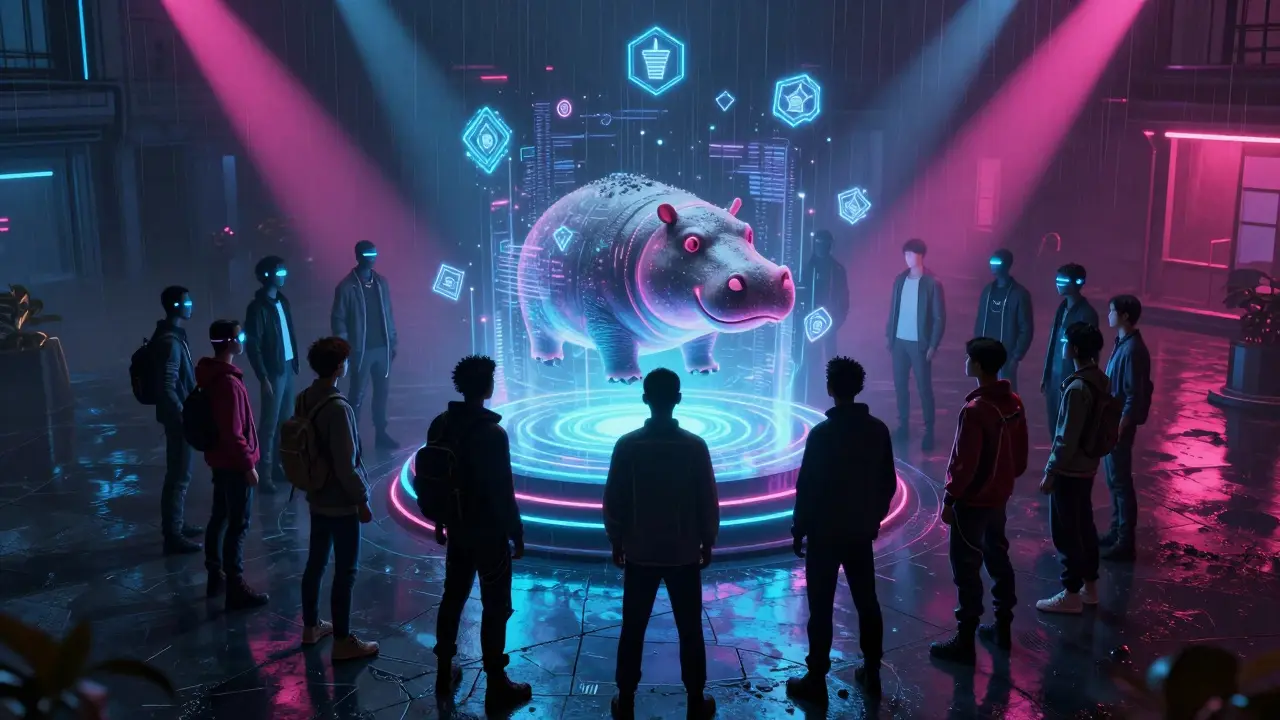
This decentralized governance model prevents a single founder from dictating the entire direction. It empowers the "Haggis Army" (as fans might call themselves) to steer the ship. But remember, voting power is often tied to token holdings. If a few large wallets hold most of the supply, they can sway votes easily. Check the holder distribution on-chain tools to see if the wealth is spread out or concentrated.
Risks and Considerations Before Buying
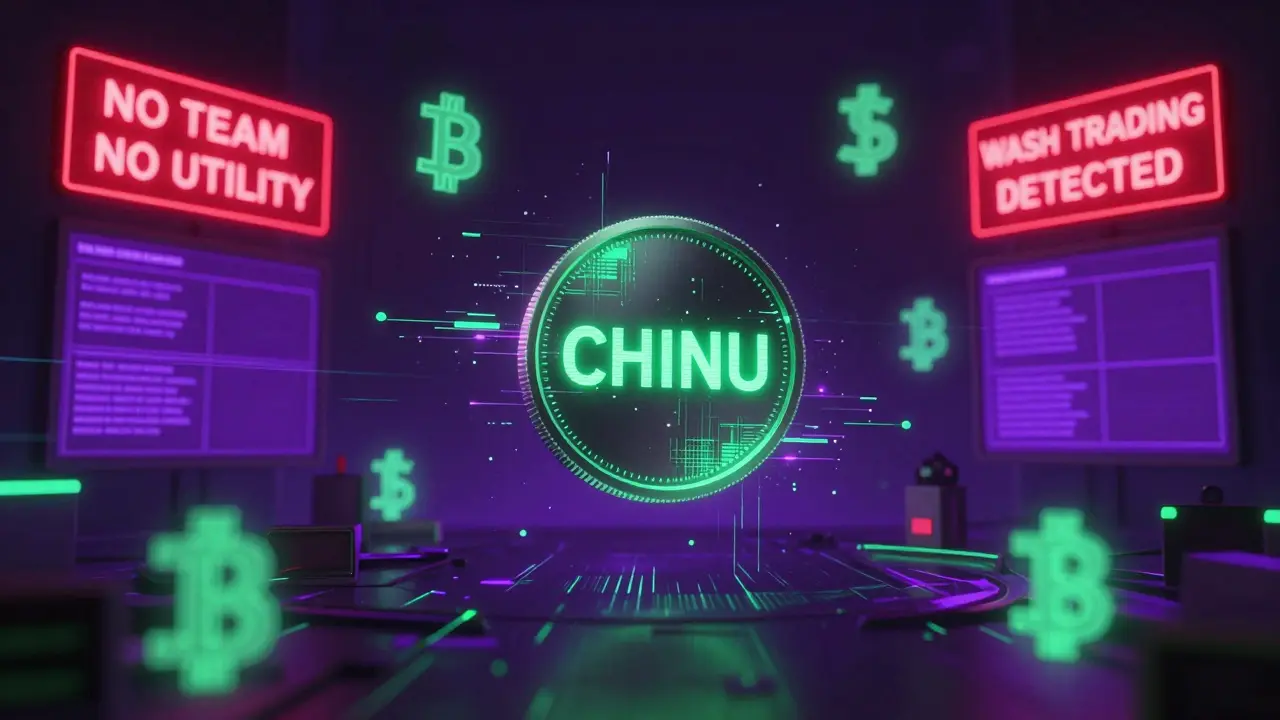
No investment is without risk, especially in the meme and niche crypto space. Here are the critical factors to weigh:
- Volatility: HAGGIS is a micro-cap token. Prices can drop 50% in a day based on sentiment alone. Never invest money you cannot afford to lose entirely.
- Lack of Historical Data: With limited public documentation on long-term performance, predicting future trends is speculative at best.
- Regulatory Uncertainty: Crypto regulations vary by country. Ensure that holding and trading such tokens complies with local laws in your jurisdiction.
- Smart Contract Risk: While Solana is secure, individual token contracts can have bugs. Has the HAGGIS contract been audited by a reputable firm? If not, there’s always a slight risk of exploits.
Do your own research (DYOR). Don’t rely solely on hype. Read the available whitepaper, join their Discord or Telegram, and ask hard questions about their financials and conservation plans.
How to Get Started with HAGGIS
If you decide to proceed, the process is straightforward thanks to the Solana ecosystem:
- Set Up a Wallet: Download a Solana-compatible wallet like Phantom or Solflare. Secure your seed phrase offline. Never share it.
- Buy SOL: Purchase Solana (SOL) on a major exchange like Coinbase or Binance and transfer it to your wallet.
- Find the Token: Use a decentralized exchange (DEX) like Raydium or Jupiter. Paste the official HAGGIS contract address (verify this from their official website only-scammers copy names).
- Swap: Swap your SOL for HAGGIS. Set your slippage tolerance appropriately (often 1-5% for volatile tokens).
- Store or Stake: Decide whether to hold in your wallet or participate in any staking mechanisms if available.
Final Thoughts on HAGGIS
New Born Haggis Pygmy Hippo represents a fascinating intersection of internet culture and environmental activism. It’s not just a number on a screen; it’s a tool for community building and potential charitable impact. Whether it succeeds depends on the dedication of its holders and the transparency of its team.
In the vast ocean of cryptocurrencies, HAGGIS offers a niche lifeline to those who want their digital investments to reflect their real-world values. Just remember to keep your expectations realistic and your security tight.
Is HAGGIS a legitimate cryptocurrency?
Yes, HAGGIS is a legitimate token operating on the Solana blockchain. It has a verified contract address, active trading volume, and a defined community structure. However, "legitimate" does not mean "safe" or "profitable." Like all niche crypto assets, it carries high risk due to volatility and market speculation.
How does HAGGIS help pygmy hippos?
The project states that a portion of proceeds and community funds are allocated to wildlife conservation initiatives focused on the pygmy hippopotamus. This may include habitat protection, anti-poaching efforts, and supporting local NGOs. Investors should look for specific partnership announcements and impact reports to verify these contributions.
Where can I buy HAGGIS tokens?
HAGGIS is primarily traded on decentralized exchanges (DEXs) within the Solana ecosystem, such as Raydium or Jupiter. You will need a Solana wallet (like Phantom) and some SOL to perform the swap. Always verify the contract address from official sources to avoid scams.
What is the current price of HAGGIS?
As of mid-2026, HAGGIS trades at approximately $0.00004314 USD. Prices fluctuate rapidly based on market demand and liquidity. Check real-time data on crypto tracking platforms for the most accurate current price.
Is HAGGIS listed on major centralized exchanges?
Currently, HAGGIS appears to be primarily available on decentralized platforms. Listing on major centralized exchanges (CEXs) like Binance or Coinbase typically requires larger market caps and stricter compliance reviews. Keep an eye on official announcements for any future CEX listings.


Comments
15 Comments
Terry Hyland
it is sickening how people waste money on these digital scams instead of actually helping animals. this is just greed disguised as charity.
Monica Pathammavong
you are so wrong and naive. the blockchain tech is revolutionary for transparency unlike your old school thinking. i bet you dont even know how smart contracts work lol
Tim Lefebvre
hey there! solana is pretty cool for low fees but yeah always check the contract address first. i had a bad time with a rug pull once so be careful ok
Suman Patil
let's embrace the synergy of Web3 and conservation! the tokenomics model allows for decentralized impact investing which is a game changer for global biodiversity efforts. we need to think outside the box here fam!
Kumaran sowkarpet
namaste friends! pygmy hippos are very special creatures in west africa. supporting them through crypto is a new way to help nature :) let us grow together in harmony
Mauricio Contreras Loredo
sure it helps hippos, what's next? a coin for saving the last remaining sock? keep dreaming while the whales dump their bags on you.
sreeja boora
This project lacks proper regulatory oversight and fails to meet the stringent financial compliance standards required for legitimate investment vehicles in our jurisdiction.
Grace Newman
I have analyzed the transaction patterns and I am certain that this is a front for money laundering by international criminal syndicates targeting endangered species trade networks.
Annemarie Fitzgerald
the existential dread of buying a hippo coin is palpable. are we saving the animal or just saving ourselves from boredom? the irony is thick enough to cut with a knife
Abby Sivertsen
i mean if you want to buy it fine but don't expect miracles. the market is volatile and most of these projects fail within months. stay safe out there
Benjamin Eisen
great question about the risks! i think it is important to do your own research before putting any money into such a volatile asset class. hope you find success
pankaj chawla
We should collaborate on verifying the conservation claims. It is imperative that we hold these projects accountable to ensure real-world impact rather than just marketing hype.
Jessica Lane
The potential for positive environmental impact is intriguing, yet one must approach such investments with extreme caution and thorough due diligence regarding the underlying technology.
Charles Pawlikowski
this is typical american greed trying to exploit poor african animals for profit. shame on you all for not respecting our national sovereignty over natural resources :)
Andrea Burd
boring. another meme coin pretending to be serious. i would rather read a manual on tax law than listen to this nonsense
Write a comment