
Imagine painting a masterpiece, selling it for $500, and then watching that same piece sell for $50,000 at an auction years later. In the traditional art world, you get nothing from that second sale. The gallery takes a cut, the collector makes a profit, and you’re left wondering why your hard work didn’t pay off long-term. Now, imagine a system where that second sale automatically sends a percentage of the profit straight back to your bank account. That is the promise of NFT royalties, a mechanism in the blockchain ecosystem that allows digital creators to earn continuous income from secondary market transactions.
This isn't just theoretical hype. It represents a fundamental shift in how we value creative labor. For decades, artists have been trapped in a model where they only benefit from the initial transaction. NFTs change the rules by embedding payment instructions directly into the code of the artwork. But does it actually work? Is it reliable? And how do you set it up without getting scammed or ignored by buyers? Let's break down exactly what this means for your wallet and your career.
How Smart Contracts Automate Your Payments
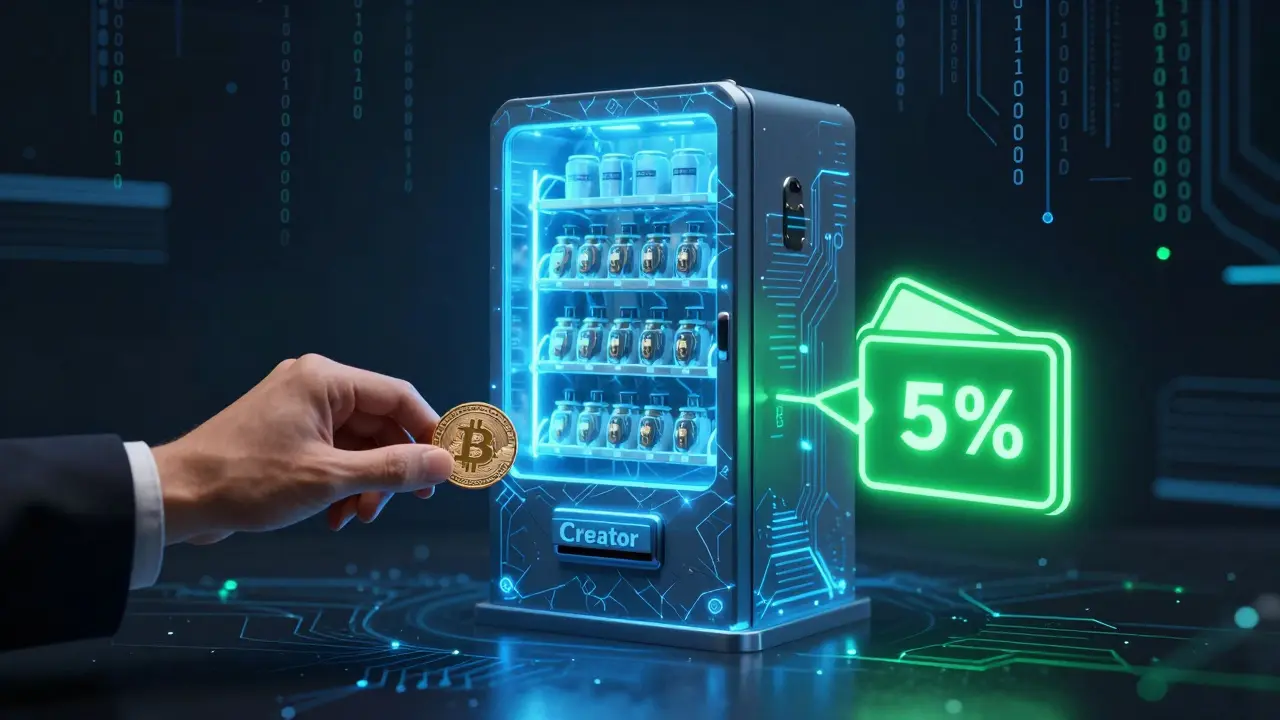
To understand why royalties matter, you first need to look under the hood. The engine driving this entire system is the smart contract, which is a self-executing computer program stored on a blockchain that triggers actions when specific conditions are met. Think of it as a digital vending machine. You put in money (the sale price), and the machine dispenses goods (the NFT) while simultaneously sending a pre-programmed portion of that money to another address (your wallet).
When you mint an NFT, you write these terms into the code. You decide that every time your token changes hands, 5% of the sale price goes to you. No paperwork. No waiting for a check from a distant agency. No arguing with a gallery owner about accounting errors. The blockchain verifies the sale, deducts the fee, and transfers the funds instantly. This automation removes the human element of trust, which has historically been the biggest bottleneck for creator compensation.
The beauty of this setup is its permanence. Once deployed, these contracts cannot be easily altered. If you set a royalty rate, it stays there unless you explicitly update the contract (if you own the rights to do so). This creates a predictable revenue stream that operates 24/7, regardless of whether you are actively marketing new work. You sleep; the code works.
The Financial Reality: Real Numbers and Success Stories
Skeptics often dismiss NFT royalties as a niche fantasy, but the data tells a different story. According to a 2022 report by Galaxy Digital, over $1.8 billion was distributed in royalties specifically on the Ethereum blockchain. That is not pocket change; that is a massive redistribution of wealth from collectors and speculators back to creators.
Let’s look at some concrete examples to ground this in reality:
- Yuga Labs: The team behind Bored Ape Yacht Club earned approximately $147.6 million in royalties alone. While this is a high-profile project, it demonstrates the scale possible when community engagement drives secondary trading volume.
- Jacques Greene: This musician sold a 6-second audio loop and GIF as an NFT. He earned $16,037 in royalties from that single asset. Compare that to his earnings from Spotify: he made roughly half that amount from 7 million streams of the full song. The disparity highlights how inefficient traditional streaming models are compared to direct ownership models.
- Passive Income Potential: Many mid-tier creators report earning between $1,000 and $10,000 monthly from established collections. This income requires zero additional effort once the initial audience is built.
These numbers aren't guaranteed for everyone, but they prove the mechanism works. The key difference here is leverage. In traditional music or art, your income scales linearly with your effort. With NFT royalties, your income can scale exponentially with the appreciation of your existing work.
Setting the Right Rate: Balancing Greed and Growth
One of the most common mistakes new artists make is setting their royalty percentage too high. It feels good to see "15%" next to your name, but it can kill your market. Buyers are investors. If they know they will lose 15% of their potential profit on resale, they may choose not to buy in the first place, or they may seek out ways to bypass your fees entirely.
Community consensus generally suggests a sweet spot between 5% and 7%. Here is why:
- Market Appeal: Lower rates attract more buyers, increasing liquidity. More trades mean more frequent payments, even if each individual payment is smaller.
- Platform Standards: Major marketplaces like OpenSea typically default to 5-10%. Deviating significantly from this norm raises red flags for savvy collectors.
- Enforcement Reality: As we will discuss later, high royalty rates incentivize bad actors to find technical loopholes to avoid paying you. Keeping rates reasonable reduces this friction.
You should view your royalty rate as a tool for growth, not just immediate cash flow. A lower rate might encourage higher trading volume, which builds your reputation and increases the floor price of your collection over time. Always test different rates if you launch multiple collections to see what resonates with your specific audience.
The Enforcement Crisis: Why Your Money Might Disappear
Here is the uncomfortable truth about NFT royalties in 2026: they are not always enforced. While the smart contract says you deserve a cut, the marketplace hosting the sale decides whether to honor it. This has led to a fragmented landscape that creators must navigate carefully.
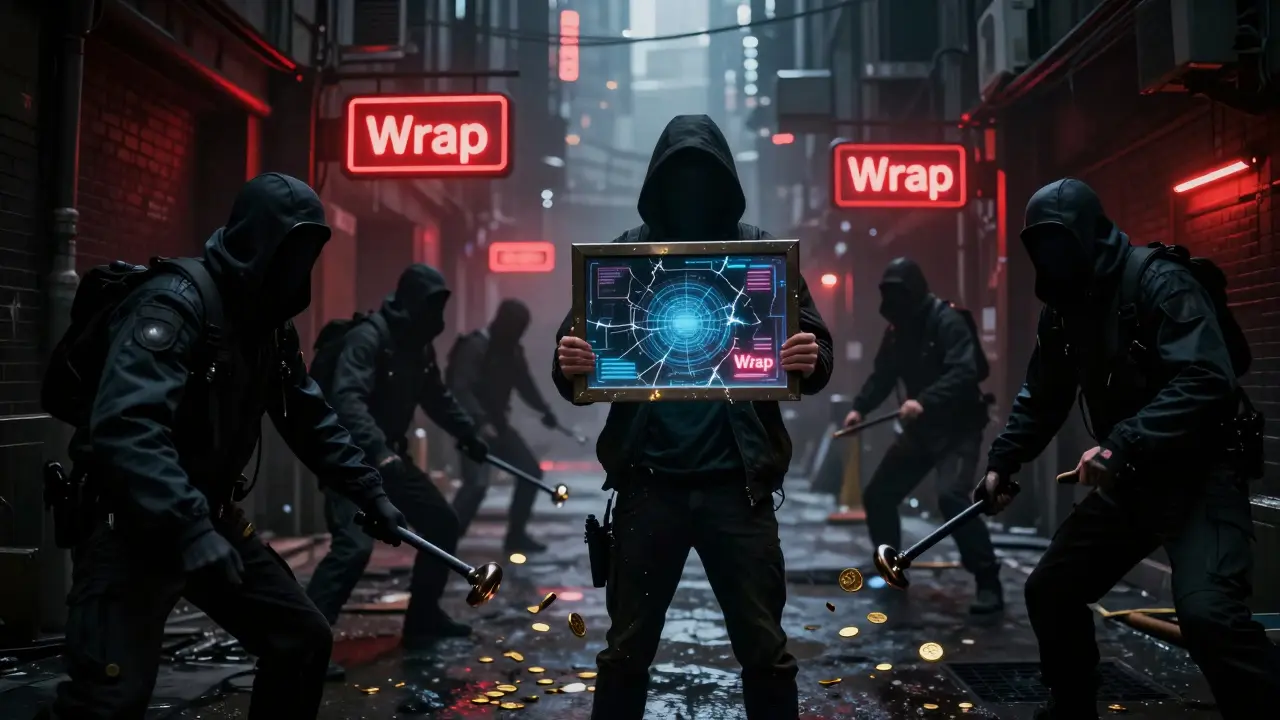
Some platforms, like Magic Eden, have moved toward optional or zero-royalty structures to attract traders who want to maximize profits. On these platforms, sellers can simply tick a box to ignore your royalty request. Additionally, sophisticated users employ techniques like "NFT wrapping," where they modify the token's metadata to remove royalty fields before listing it for sale. This effectively strips you of your passive income without breaking any laws.
To combat this, some creators use "allowlists"-restricting where their NFTs can be traded. However, this reduces liquidity and can frustrate collectors who prefer open markets. The industry is currently in a tug-of-war between creator rights and trader freedom. Until regulatory standards or universal protocol-level enforcement emerge, you must assume that not every sale will generate a royalty payment.
| Feature | Traditional Art Market | NFT Royalties |
|---|---|---|
| Secondary Sales Benefit | None (Collector/Gallery keeps profit) | Creator receives automatic % |
| Payment Speed | Months to years (via agencies) | Instant (on-chain transfer) |
| Transparency | Low (Private records) | High (Public ledger) |
| Intermediaries | Required (Galleries, Auction Houses) | Optional (Direct peer-to-peer) |
| Enforcement Reliability | Legal contracts (Hard to enforce globally) | Variable (Depends on platform policy) |
Practical Steps to Implement Royalties Today
If you are ready to start earning royalties, you don't need to be a coder. Most major platforms handle the heavy lifting. Here is a streamlined process to get started:
- Choose Your Blockchain: Ethereum remains the standard for high-value art due to its robust infrastructure and large user base. However, consider Layer 2 solutions like Polygon or Arbitrum for lower gas fees, especially if you are targeting newer collectors.
- Select a Creator-Friendly Marketplace: Look for platforms that prioritize royalty enforcement. Read their current policies carefully. Some platforms offer "creator mode" settings that allow you to opt-in to strict royalty enforcement, though this may limit your exposure to certain buyer pools.
- Mint with Clear Terms: During the minting process, input your desired royalty percentage (recommend starting at 5%). Double-check the wallet address receiving the funds. One typo here means lost money forever.
- Engage Your Community: Royalties only work if people trade your work. Build a genuine following on social media. Explain the value of your art and why supporting you through secondary purchases matters. Transparency builds loyalty.
- Monitor and Adapt: Track your earnings using analytics tools. If you notice low trading volume, experiment with lowering your royalty rate slightly to stimulate activity. If demand is high, you might gradually increase it.
Remember, technology is just the tool. Your success depends on the quality of your art and the strength of your community. Royalties amplify value; they do not create it from thin air.
Future Outlook: What’s Next for Creator Economics?
The landscape is evolving rapidly. We are seeing a push toward standardized royalty protocols that would enforce payments across all marketplaces, similar to how credit card networks handle merchant fees. Regulatory bodies worldwide are also beginning to draft frameworks for digital asset taxation, which could legitimize NFT royalties as a recognized form of intellectual property income.
Furthermore, we are moving beyond simple percentage models. Future iterations may include tiered royalties (higher percentages for early sales), time-based decay (rates drop over time to encourage long-term holding), and multi-creator splits (automatically dividing royalties among collaborators). These innovations will make the system more flexible and fair.
For now, NFT royalties remain one of the most powerful tools available to digital creators. They offer a path to financial sustainability that was previously impossible. By understanding the mechanics, setting realistic expectations, and actively managing your presence, you can turn your digital creations into lasting assets that continue to pay you for years to come.
Do NFT royalties still work in 2026?
Yes, but with caveats. Royalties are technically functional on most blockchains, but enforcement varies by marketplace. Platforms like OpenSea still support them, while others like Magic Eden have made them optional. Creators must choose platforms that align with their revenue goals and accept that some sales may bypass royalty payments due to technical workarounds or platform policies.
What is the best royalty percentage for NFTs?
The industry standard typically ranges from 5% to 10%. Many experts recommend starting at 5% to balance creator compensation with buyer appeal. Higher rates (above 10%) can discourage trading and incentivize buyers to use methods to avoid paying royalties, ultimately reducing your total income.
Can I change my NFT royalty rate after minting?
It depends on how the smart contract was written. If you used a standard platform interface, you may be able to update the royalty field in your profile or collection settings. However, if the contract is immutable or controlled by a third party, you cannot change it. Always verify the flexibility of the contract before deploying.
Are NFT royalties taxable?
In most jurisdictions, yes. Royalties received from secondary sales are generally considered ordinary income or capital gains, depending on local tax laws. Since blockchain transactions are public, tax authorities can potentially track these earnings. It is crucial to keep detailed records of all transactions and consult with a tax professional familiar with cryptocurrency regulations.
Why do some platforms ignore NFT royalties?
Some platforms argue that royalties act as a hidden tax on trading, which reduces liquidity and discourages users. By making royalties optional or removing them entirely, these platforms aim to attract more traders and compete with other marketplaces. This creates a tension between creator rights and market efficiency.