
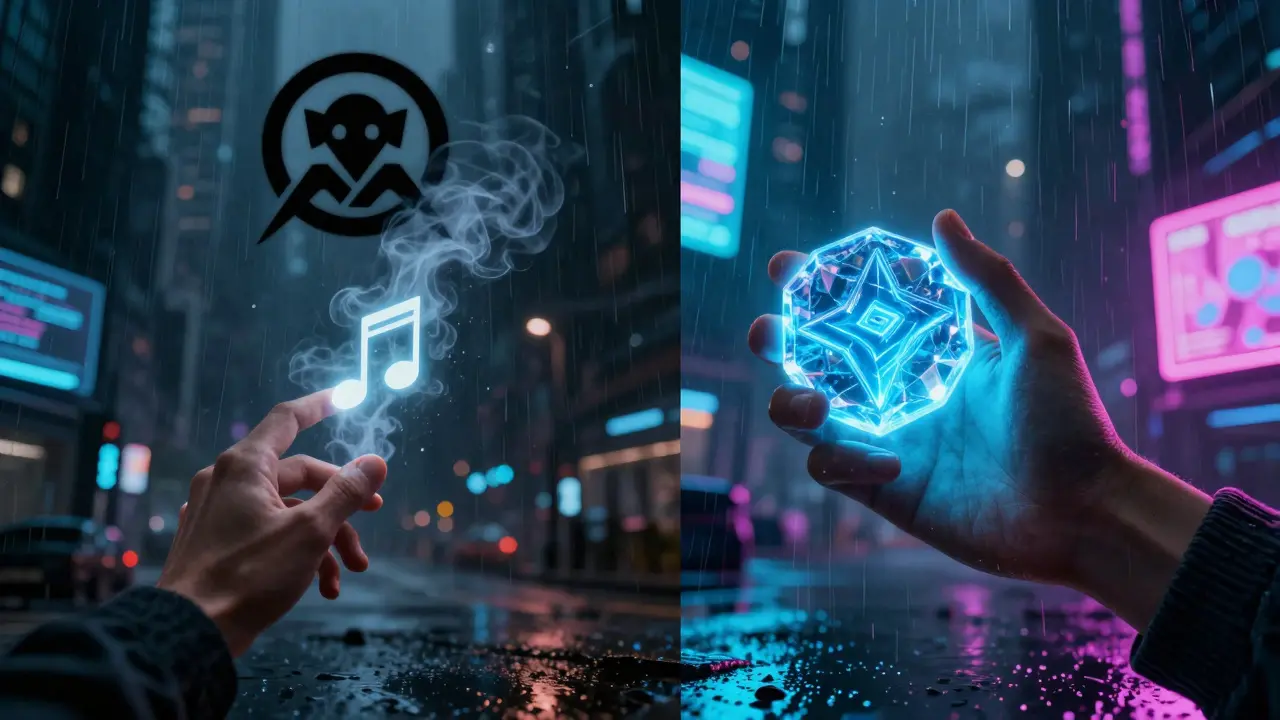
You buy a song on iTunes. You download an e-book from Amazon. You spend hours crafting a rare sword in your favorite video game. Now ask yourself: do you actually own these things? The uncomfortable truth is no. You have been granted a temporary license to access them. If the platform decides to shut down, change its terms, or simply ban your account, that asset vanishes instantly. This fragile state of affairs has defined the internet for decades, but digital ownership on blockchain changes the rules entirely.
Digital ownership on blockchain represents a fundamental shift from renting digital experiences to owning verifiable assets. It moves control away from centralized companies like Google or Meta and places it directly in your hands. By using decentralized ledgers, cryptographic proofs, and automated code, this technology ensures that when you acquire a digital item, it belongs to you-period. No middleman can revoke it, alter it, or seize it without your permission.
The Problem with Traditional Digital Rights
To understand why blockchain matters, we first need to look at how broken traditional digital rights are. In the current Web2 model, platforms act as gatekeepers. When you stream music on Spotify or read on Kindle, you are interacting with a service, not a product you possess. These services rely on centralized databases. If those servers fail, or if the company updates its user agreement, your access disappears.
This creates a power imbalance. Platforms capture most of the value while users get little more than convenience. Consider the gaming industry. For years, players bought in-game items that existed only within a specific server. If the game shut down, those investments became worthless overnight. There was no way to prove you owned that digital skin or weapon outside of that company’s ecosystem. This lack of true property rights stifled innovation and left consumers vulnerable.
Blockchain solves this by removing the central authority. Instead of trusting a single company to keep records honest, the system relies on a distributed network of computers. Every transaction is recorded publicly and permanently. This structure makes it nearly impossible for any single entity to manipulate ownership data or delete assets arbitrarily.
How Blockchain Verifies Ownership
So, how does a piece of code prove you own a digital file? It comes down to three core technologies working together: distributed ledgers, digital signatures, and consensus mechanisms.
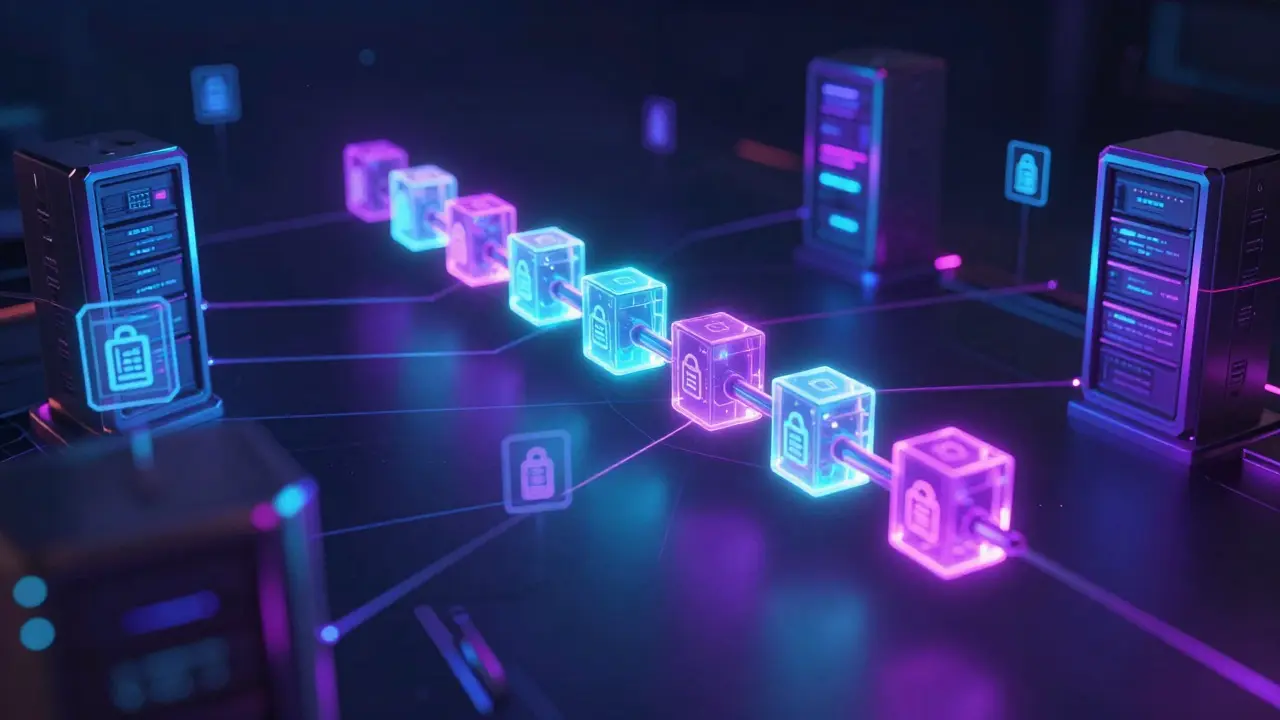
Distributed Ledger Technology (DLT) is the backbone. Imagine a shared spreadsheet that everyone can see but no one can edit alone. When you buy a digital asset, a record of that transfer is added to the ledger. This record includes who sold it, who bought it, and when the transaction happened. Because copies of this ledger exist on thousands of computers worldwide, altering one copy doesn’t change the truth. The network rejects false entries.
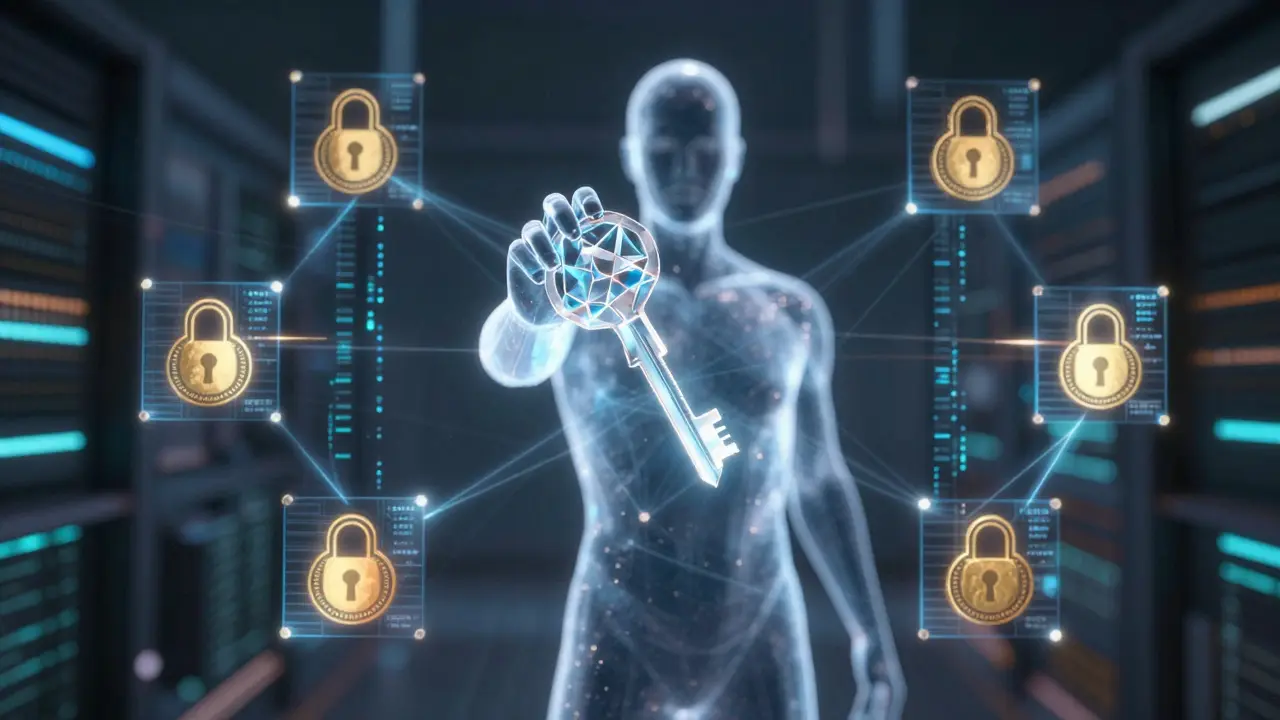
Digital Signatures provide the key. Each person has a private key-a long string of characters that acts like an unbreakable password. Only you hold this key. When you want to transfer or sell an asset, you use your private key to sign the transaction. This signature proves mathematically that you authorized the move. No one else can forge it. This eliminates identity theft and fraud in digital transactions.
Finally, Consensus Mechanisms ensure agreement. Before a transaction is finalized, nodes in the network must agree it is valid. In Proof-of-Work systems, miners solve complex puzzles to verify blocks. In Proof-of-Stake, validators lock up cryptocurrency to secure the network. This process prevents double-spending and ensures that ownership records remain immutable once confirmed.
Smart Contracts: The Automated Enforcers
Ownership isn't just about holding an asset; it's about what you can do with it. This is where Smart Contracts come into play. Think of them as self-executing agreements written in code. They automatically enforce the terms of ownership without needing lawyers or intermediaries.
A smart contract might dictate that an artist receives 10% of every resale price forever. Or it could specify that a domain name expires after 365 days unless renewed. These rules are baked into the asset itself. You cannot bypass them because they run on the blockchain infrastructure.
For example, consider Non-Fungible Tokens (NFTs). An NFT is a unique token representing ownership of a specific digital item, like art or collectibles. Unlike Bitcoin, which is fungible (one coin equals another), each NFT is distinct. The smart contract attached to an NFT defines its properties. It might grant commercial usage rights to the buyer while restricting redistribution. This programmability allows creators to monetize their work in ways previously impossible, ensuring they benefit from secondary markets.
| Feature | Traditional Web2 Model | Blockchain Digital Ownership |
|---|---|---|
| Control | Platform-controlled | User-controlled (Self-custody) |
| Transferability | Limited or prohibited | Freely tradable on open markets |
| Provenance | Opaque, hard to verify | Transparent, immutable history |
| Risk of Loss | Account bans, server shutdowns | Lost private keys, phishing attacks |
| Interoperability | Siloed within platforms | Cross-platform compatibility |
Real-World Applications Beyond Art
While NFTs grab headlines, digital ownership on blockchain extends far beyond JPEGs. It is reshaping industries by enabling new business models based on true property rights.
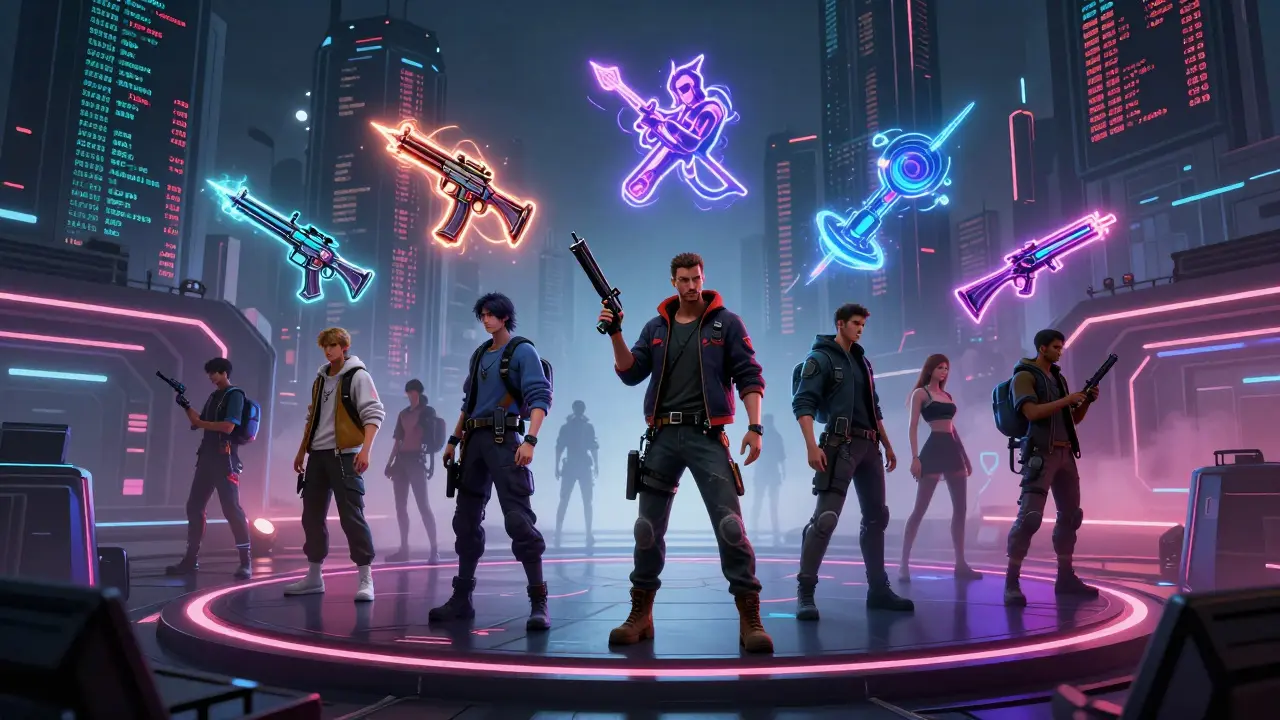
In Gaming, players now own their in-game items. Projects built on networks like Polkadot allow gamers to trade skins, weapons, and characters across different games. Some virtual items have sold for more than physical houses, proving that digital scarcity holds real economic value. This shifts the dynamic from playing for free to earning and owning assets that retain value outside the game environment.
Retail brands are also adopting this technology. Companies like Boba Guys use blockchain-based loyalty programs. Instead of points that expire or disappear if the app crashes, customers receive tokenized rewards. These tokens represent actual equity or redeemable value, fostering deeper customer relationships and providing transparent data trails.
Identity management is another critical area. Web3 Domains (like .eth, .crypto, or .is) serve as self-sovereign identities. You can log into websites using your wallet instead of passwords. You control the metadata tied to your domain, including social handles and payment addresses. This reduces reliance on big tech giants for identity verification and enhances privacy.
Risks and Security Challenges
With great power comes great responsibility. Owning your assets means you are solely responsible for securing them. There is no "Forgot Password" button on the blockchain. If you lose your private key, your assets are gone forever. This high-stakes environment introduces specific risks that users must navigate carefully.
Phishing and Scams: Attackers often trick users into signing malicious transactions. Fake approval links can drain wallets instantly. Always verify URLs and use hardware wallets for significant holdings.
Smart Contract Bugs: Code is law, but bad code leads to losses. Vulnerabilities in smart contracts can be exploited by hackers. Audits by reputable firms are essential before interacting with new protocols.
Asset Burning and Expiration: Some assets are designed to be burned (destroyed) or expire if not renewed. ENS domains, for instance, require annual renewal fees. Failure to pay results in loss of ownership. Users must track expiration dates manually.
To mitigate these risks, tools like Revoke.cash help users manage smart contract permissions. Regularly revoking unnecessary approvals limits exposure to potential exploits. Education remains the best defense against security threats in the Web3 space.
The Future of Decentralized Identity
We are witnessing a transition from Web2, where platforms own our data, to Web3, where individuals own their digital lives. This shift empowers creators, consumers, and developers alike. Value flows directly to those who generate it, rather than being captured by intermediaries.
As adoption grows, we will see more interoperable standards. Assets bought on one platform should seamlessly work on another. Regulatory frameworks will evolve to recognize digital property rights legally. This clarity will attract institutional investment and mainstream users.
The journey toward true digital ownership is just beginning. But the foundation is laid. By understanding how blockchain verifies, protects, and transfers assets, you position yourself to participate fully in the next generation of the internet. You stop renting your digital life and start owning it.
Is digital ownership on blockchain legally recognized?
Legal recognition varies by jurisdiction. While many countries acknowledge cryptocurrencies as property, laws regarding NFTs and digital assets are still evolving. In some regions, courts have upheld claims of ownership for digital items, treating them similarly to tangible property. However, regulations differ significantly between nations, so consulting local legal experts is advisable for high-value transactions.
Can I really sell my digital assets anywhere?
Yes, provided the asset exists on a public blockchain. You can list NFTs or tokens on various marketplaces like OpenSea, Rarible, or specialized DEXs. Unlike traditional platforms that restrict sales to their ecosystem, blockchain assets are portable. You retain full control over where and when you sell, though liquidity depends on market demand.
What happens if I lose my private key?
If you lose your private key, you lose access to your assets permanently. Blockchain networks do not have customer support to recover lost keys. This is why backing up your seed phrase securely is critical. Using hardware wallets adds an extra layer of security, storing keys offline and protecting them from online hacks.
Are all digital files on blockchain truly owned by me?
You own the token representing the asset, not necessarily the underlying file itself. The file usually resides on decentralized storage like IPFS or Arweave. Ownership grants you the right to transfer, sell, or display the token according to its smart contract terms. Copyright laws may still apply to the creative content, so always check licensing details.
How does blockchain prevent copying of digital assets?
Blockchain doesn't prevent copying the file (like downloading an image). Instead, it prevents copying the *ownership*. The token on the ledger is unique and indivisible. Anyone can copy the image, but only one person can hold the verified title deed on the blockchain. This distinction separates cultural sharing from economic ownership.