


Have you ever seen a cryptocurrency with a price so low it looks like a glitch in the matrix? DragonKing is a low-market-cap cryptocurrency token built on the Binance Smart Chain network, launched with the stated mission of bringing cryptocurrency adoption to mainstream users through concepts like holding rewards and decentralized exchanges. That’s exactly what DRAGONKING is. But before you rush to buy millions of tokens because they cost fractions of a penny, you need to understand what this project actually is-and more importantly, what it isn’t.
As of May 2026, DragonKing sits in a very specific and dangerous corner of the crypto world: the "zombie token" category. It has listings on major data aggregators, a massive supply, and virtually no trading activity. If you are looking for an investment opportunity, this article will explain why DRAGONKING might not be the golden ticket you think it is. If you are just curious about how such tokens exist, we’ll break down the mechanics behind them.
The Basics: What Is DragonKing?
At its core, DragonKing is a BEP-20 token running on the Binance Smart Chain (now known as BNB Chain), which offers faster transaction speeds and lower fees compared to Ethereum. The project claims to focus on "crypto adoption" and "holding rewards." In theory, this sounds like a community-driven effort to get people into Web3.
However, the numbers tell a different story. Here are the key metrics as reported by major tracking platforms in late 2025:
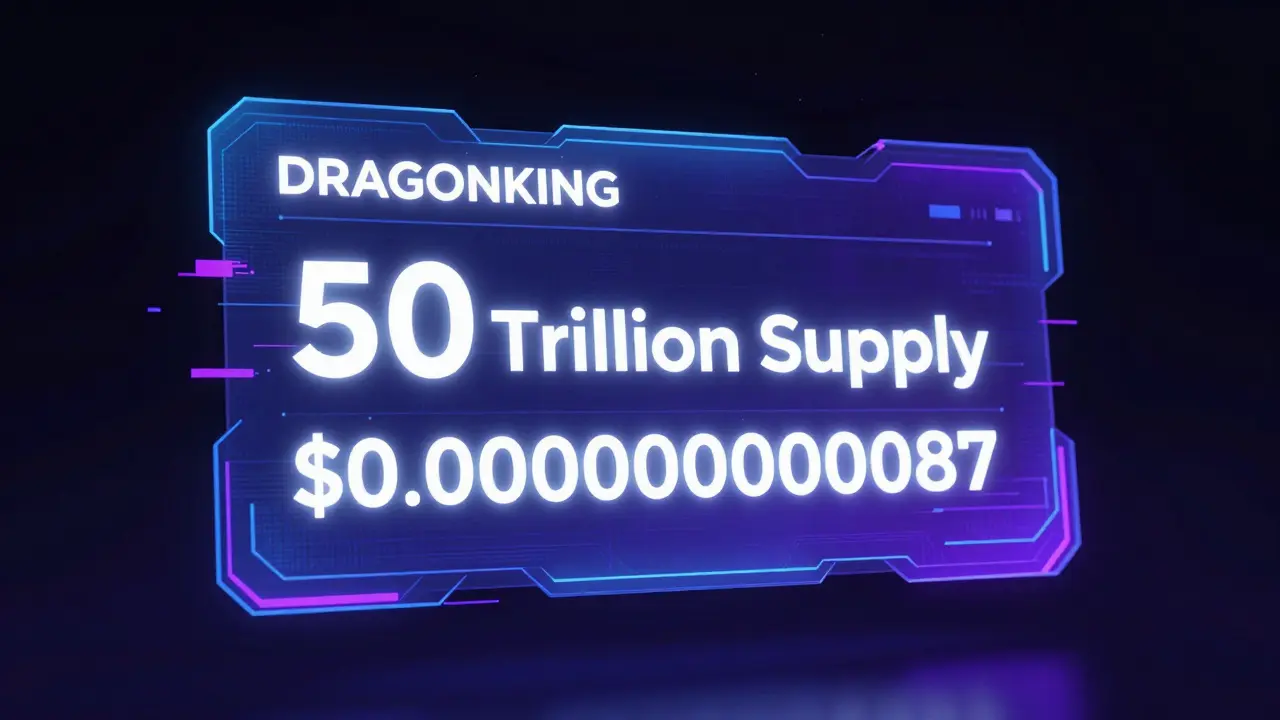
- Total Supply: 50 Trillion tokens
- Circulating Supply: ~13.27 Trillion tokens
- Market Cap: Approximately $102,910
- All-Time High: $0.0000000000069 (June 2023)
- Current Price: ~$0.0000000000087
To put that price in perspective, you would need billions of DRAGONKING tokens to equal one US dollar. This extreme dilution is a common tactic in meme coins to make investors feel they are getting "a lot" for very little money. But quantity does not equal value.
The Economic Problem: Why You Can’t Really Use It
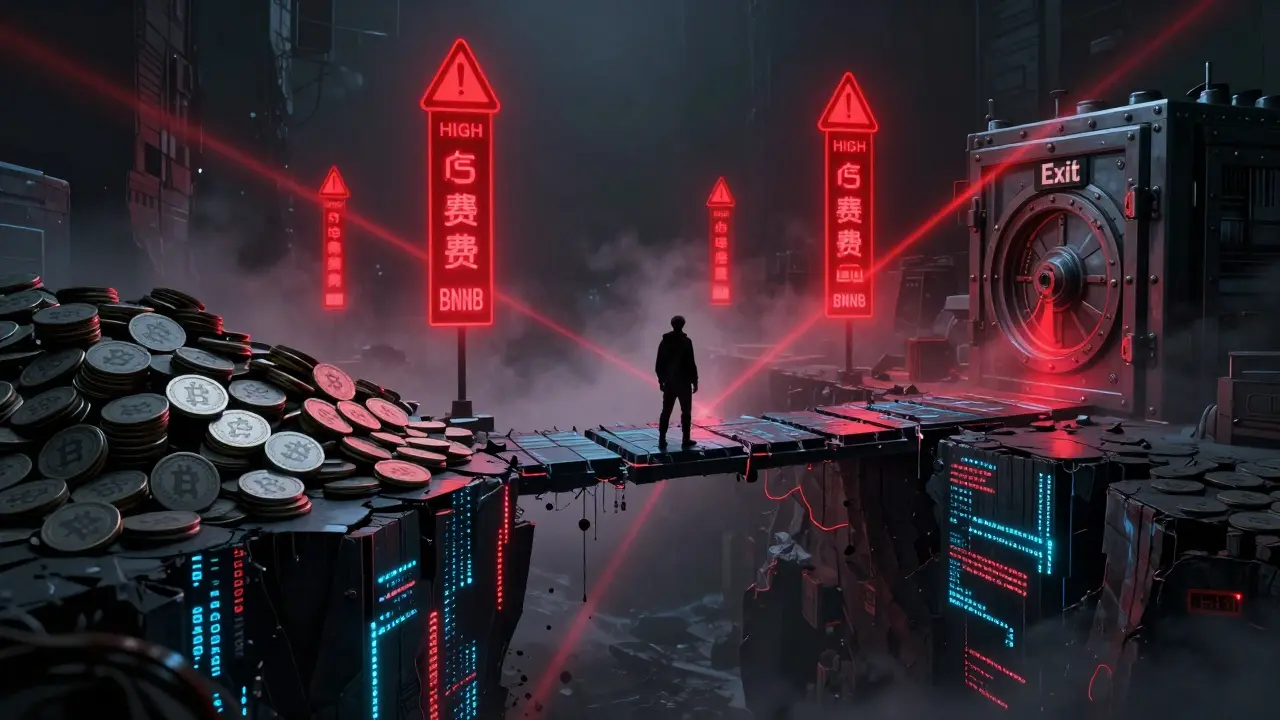
The biggest issue with DragonKing isn’t just that it’s cheap; it’s that it’s economically unviable. Let’s look at the math. When you want to swap or sell a token on BSC, you pay a gas fee in BNB. Even on a low-fee day, a simple transaction might cost you $0.10 to $0.50 in BNB.
If you try to sell $1 worth of DRAGONKING, you have to move billions of tokens. The slippage (the difference between expected price and executed price) on such a thin order book can be catastrophic. Worse, if the gas fee is $0.20 and your trade only nets you $1.00, you’ve already lost 20% of your capital instantly. For smaller amounts, the fee exceeds the value of the transaction entirely.
This creates a phenomenon known as "illiquidity trap." Users report being unable to sell their holdings because the minimum trade thresholds on exchanges are higher than the value of their tokens, or because the gas costs make selling irrational. As noted by user feedback from late 2025, many holders found themselves stuck with bags of tokens they couldn’t offload without losing more money in fees.
Red Flags: Security and Development Status
When evaluating any low-cap crypto, you must look at the fundamentals. DragonKing raises several serious concerns:
| Risk Factor | Status | Impact |
|---|---|---|
| Smart Contract Audit | No Public Audit | High risk of hidden vulnerabilities or backdoors |
| Development Activity | Inactive since mid-2023 | No updates, roadmap progress, or code commits |
| Social Media Presence | Dormant/Deleted | No community support or official communication |
| Liquidity Pool | Extremely Low | High slippage, difficult to exit positions |
| Contract Address Consistency | Discrepancies Found | Risk of interacting with fake/scam contracts |
The absence of a smart contract audit is perhaps the most critical red flag. Reputable projects undergo audits by firms like CertiK or Hacken to ensure the code is safe. Without this, there is no guarantee that the developers haven’t included functions that allow them to freeze wallets or mint unlimited tokens.
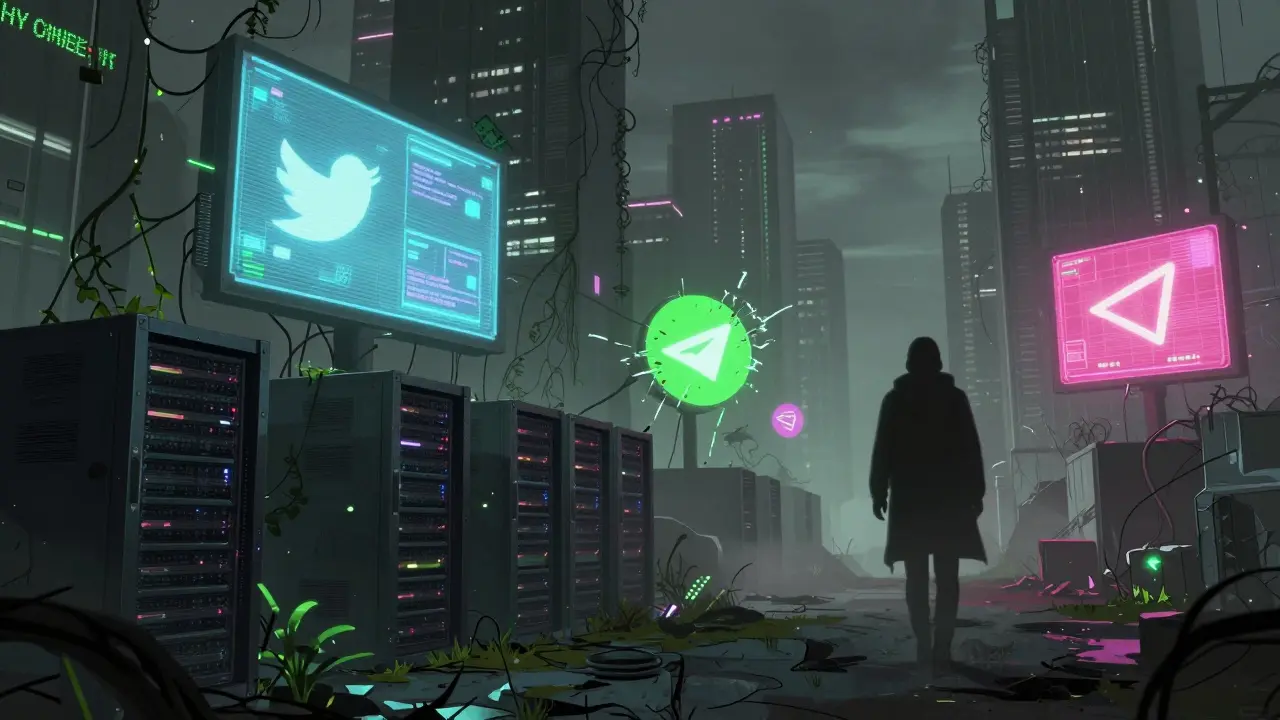
Furthermore, the project appears to be abandoned. Social media channels, including Twitter and Telegram, have been inactive or deleted since 2024. There is no active development team communicating with the community. In the crypto world, silence usually means the developers have moved on to the next project, leaving early investors holding the bag.
DragonKing vs. Established Meme Coins
It’s easy to compare DragonKing to successful meme coins like Dogecoin or Shiba Inu. However, the comparison falls apart quickly. While SHIB also had a high supply, it built a robust ecosystem, including ShibaSwap, NFTs, and layer-2 solutions. Dogecoin benefits from massive brand recognition and merchant acceptance.
DragonKing has none of these utilities. It exists primarily as a speculative asset with no underlying technology, product, or use case. Its market cap of ~$100k is less than 0.001% of Shiba Inu’s multi-billion dollar valuation. This disparity highlights the difference between a community-driven movement and a forgotten token.
Is DragonKing a Scam?
We cannot legally label a token a "scam" without a court ruling, but we can identify characteristics commonly associated with fraudulent projects. DragonKing exhibits several traits of what analysts call a "rug pull" or "exit scam":
- Pump and Dump History: The token hit its all-time high in June 2023, likely due to a brief marketing push, before crashing 99% and never recovering.
- Lack of Transparency: No clear team identity, no audited contracts, and inconsistent contract addresses across data platforms.
- Economic Impossibility: The tokenomics are structured in a way that makes practical usage impossible, suggesting the goal was never utility but speculation.
- Abandonment: The complete cessation of communication and development is a classic sign that the creators have extracted their profit and left.
Experts in the field, including researchers from TokenInsight and SlowMist, have warned against tokens with similar profiles, citing "structural impossibility for mainstream adoption" and "significant security risks."
How to Protect Yourself
If you are interested in crypto, here is how you avoid traps like DragonKing:
- Check Liquidity: Never invest in a token where the daily volume is near zero. You won’t be able to sell.
- Verify Audits: Look for links to reputable audit reports on the project’s official website.
- Monitor Socials: Active projects have daily updates. If the last tweet was two years ago, stay away.
- Understand Gas Fees: Calculate if the transaction cost is reasonable relative to your investment amount.
- Use Reputable Exchanges: Be cautious of tokens listed on obscure DEXs with no centralized exchange support.
Can I still buy DragonKing (DRAGONKING)?
Technically, yes, if it is still listed on certain decentralized exchanges or smaller centralized platforms. However, buying it is highly risky due to extreme illiquidity, potential scams, and the likelihood that you will not be able to sell it later without significant losses.
Why is the price of DRAGONKING so low?
The price is extremely low because the total supply is 50 trillion tokens. With such a massive supply and minimal demand, the value per individual token becomes negligible. This is often done to create the illusion of affordability, but it does not reflect actual market value.
Is DragonKing built on Ethereum or BSC?
DragonKing is built on the Binance Smart Chain (BSC), now referred to as BNB Chain. This allows for faster transactions and lower fees compared to Ethereum, but the token itself lacks the utility to justify even those lower costs.
Has DragonKing been audited?
No, there is no public evidence of a smart contract audit by reputable firms like CertiK or Hacken. This lack of security verification is a major red flag for potential investors.
What happened to the DragonKing team?
The development team appears to have abandoned the project. Social media channels have been inactive or deleted since 2024, and there have been no code updates or announcements since mid-2023.