

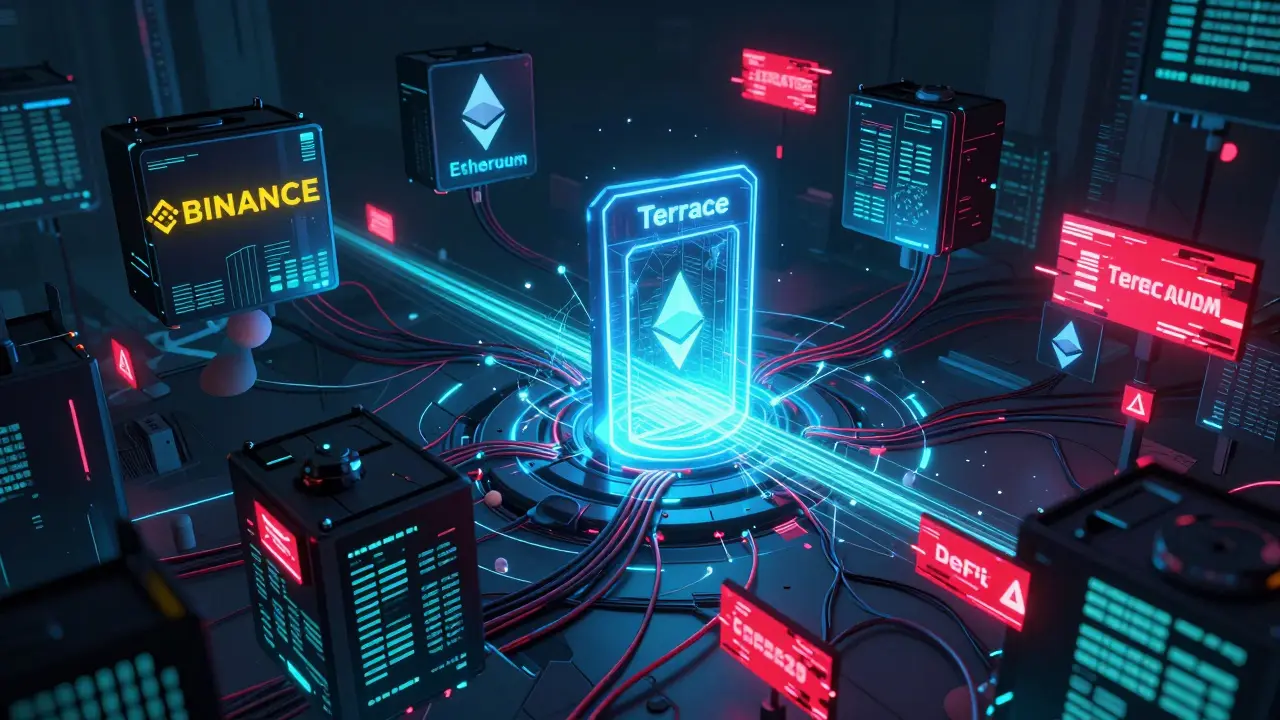
Have you ever felt like a juggling act when trying to trade cryptocurrency? You have funds on Binance, some tokens stuck on Ethereum mainnet, and maybe a few DeFi positions scattered across different decentralized exchanges. Moving assets between these silos is slow, expensive, and frankly, exhausting. This fragmentation is exactly what Terrace is designed to fix. It is not just another exchange; it is a non-custodial trading terminal that aggregates liquidity from over 40 centralized and decentralized venues into one interface.
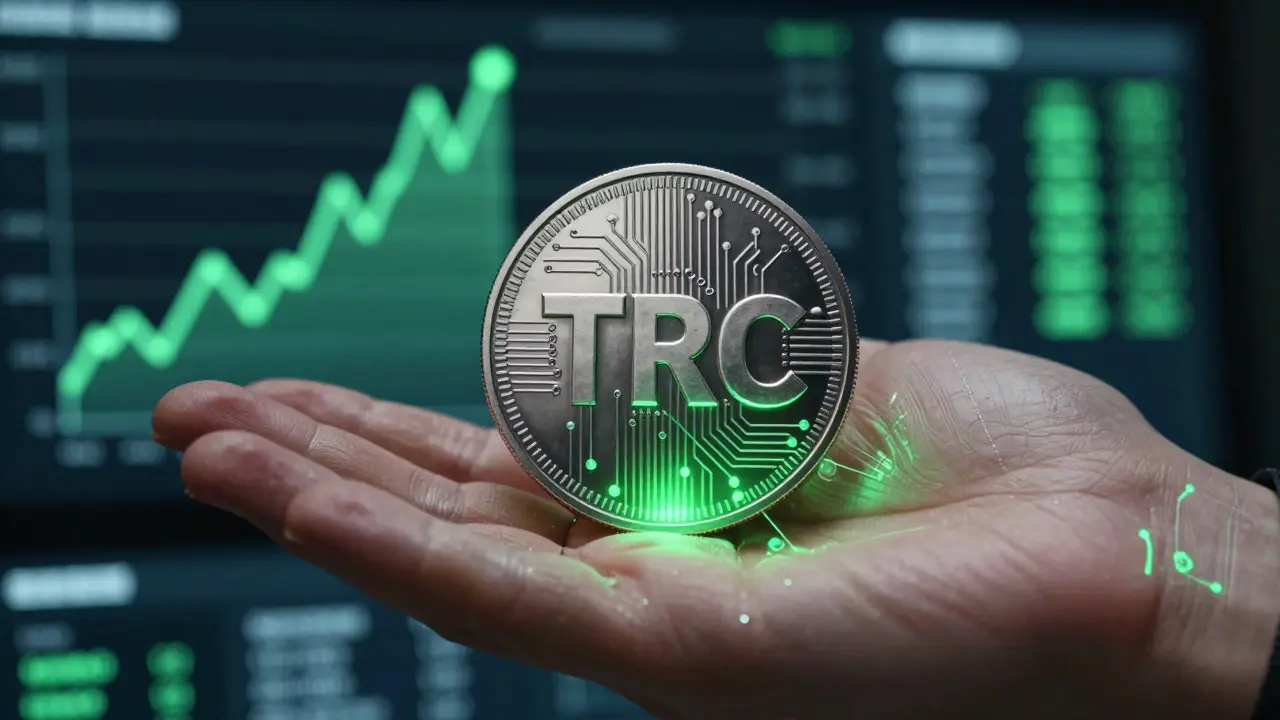
At the heart of this ecosystem lies the TRC token, which serves as the utility asset for the platform. Launched in March 2025, TRC is more than just a speculative asset-it is the key that unlocks fee discounts, staking benefits, and eventually, governance rights within the Terrace protocol. If you are looking to understand how this new infrastructure player works and whether the TRC coin fits into your portfolio, this guide breaks down the technology, the tokenomics, and the real-world utility behind the hype.
Understanding the Terrace Ecosystem
To grasp the value of the TRC coin, you first need to understand the problem Terrace solves. Traditional crypto trading forces users to choose between two worlds: Centralized Exchanges (CEXs) like Coinbase or Binance, which offer high liquidity but require you to give up control of your keys, and Decentralized Exchanges (DEXs) like Uniswap, which keep your assets safe but often suffer from poor liquidity, high slippage, and complex user experiences.
Terrace bridges this gap by acting as an aggregator and execution layer. Think of it as a flight comparison tool for crypto, but one that actually books the ticket for you at the best price. It connects to over 40 million tokens across 13+ blockchain networks. Whether you are buying a blue-chip asset like Bitcoin or hunting for a micro-cap token on a niche DEX, Terrace scans all available paths to find the most efficient route.
The platform is strictly non-custodial. This means you never deposit your funds into Terrace’s wallets. Instead, you connect your own wallet (like MetaMask or Ledger), and Terrace executes trades directly on-chain or via API connections to external venues. Your assets remain under your control at all times, significantly reducing the risk of exchange hacks or insolvency events that have plagued the industry in recent years.
How the TRC Token Works
The TRC token is the native utility token of the Terrace ecosystem. Unlike meme coins that rely solely on community sentiment, TRC has defined economic functions within the platform. Here is how it operates:
- Fee Discounts: Users can pay for trading fees, portfolio management costs, and other service charges using TRC. Paying with TRC typically offers a discount compared to paying with stablecoins or other cryptocurrencies.
- Staking Benefits: Holding and staking TRC tokens grants users access to lower base fees and better tiered pricing structures. The more you stake, the cheaper your trading becomes.
- Future Governance: As Terrace evolves toward its planned native blockchain protocol, TRC will likely serve as the governance token, allowing holders to vote on platform upgrades, fee structures, and new integrations.
- Buyback and Burn: The project has indicated potential mechanisms for periodic buybacks and burns of TRC tokens, which could reduce supply over time and create deflationary pressure if demand remains steady.
The total supply of TRC is capped at 1 billion tokens. At launch in March 2025, only about 13-20% of these tokens were circulating, meaning a significant portion is reserved for future development, team incentives, and ecosystem growth. This emission schedule is critical to watch, as large unlocks can impact price volatility.
The Technology Behind the Scenes: Pathfinder Engine
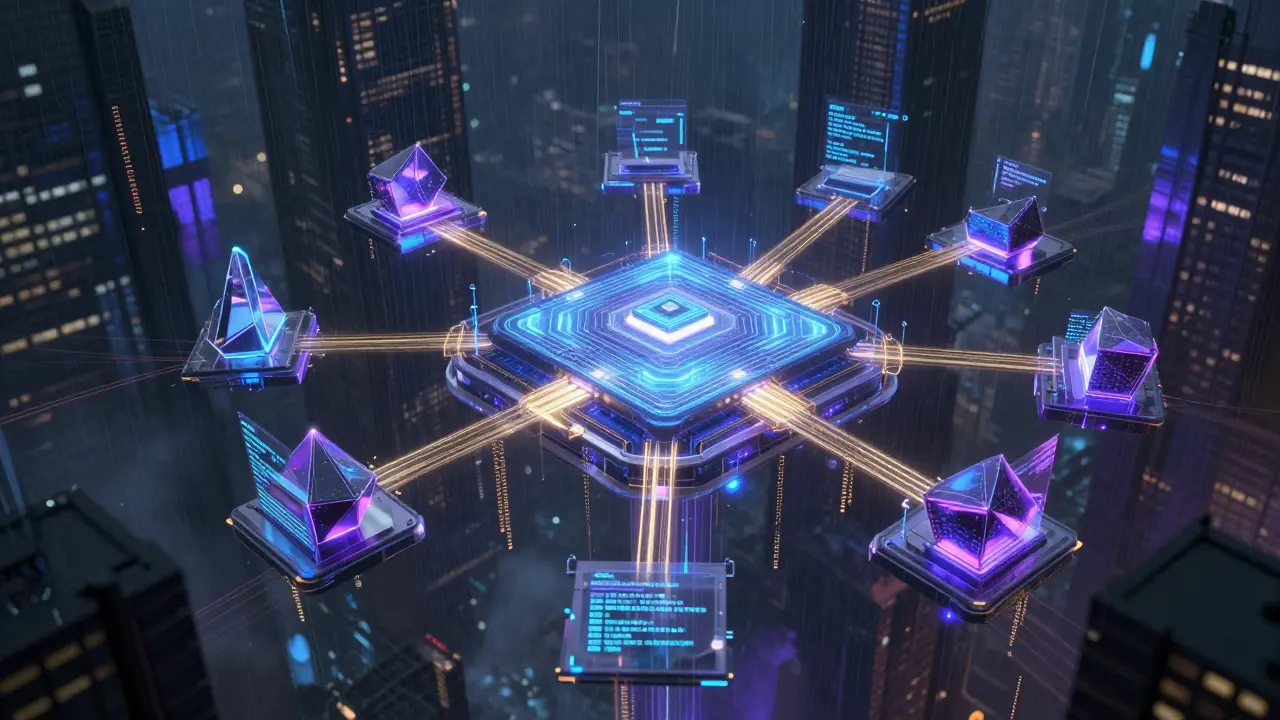
What makes Terrace different from simple DEX aggregators like 1inch or Matcha is its proprietary technology called Pathfinder. This is a trading path optimization engine that scans billions of potential trading routes in real-time.
When you want to swap Token A for Token B, there isn't just one way to do it. You could go direct on Uniswap, or you could swap Token A for USDC on SushiSwap, then USDC for Token B on Curve, and finally use a bridge to get it onto a different chain where Token B has better liquidity. Doing this manually is impossible for most traders. Pathfinder automates this complexity.
It identifies the most capital-efficient strategy, executing atomic-level transactions across different chains and platforms. This ensures you get the best possible price while eliminating the need for manual cross-chain bridging. For institutional traders who move large volumes, this level of precision prevents slippage-the difference between the expected price of a trade and the price at which the trade is executed.
Key Features for Traders
Terrace is built to serve both retail investors and institutional desks. Here are the standout features that drive adoption:
| Feature | Traditional CEX/DEX Approach | Terrace Solution |
|---|---|---|
| Custody | CEX holds your funds (high risk) | Non-custodial (you hold your keys) |
| Liquidity Access | Fragmented across multiple apps | Aggregated from 40+ venues in one view |
| Gas Fees | User must manually calculate and pay | Gas-free trading (fees deducted from proceeds) |
| Cross-Chain Swaps | Requires manual bridging (slow/risky) | Automated atomic execution via Pathfinder |
| KYC Requirements | Mandatory for CEX access | Optional (DeFi-only mode requires no KYC) |
One particularly user-friendly feature is the gas-free trading mechanism. In traditional DeFi, you need to hold ETH for Ethereum gas, MATIC for Polygon, etc. If you forget, your transaction fails. Terrace automatically covers these blockchain transaction fees and deducts them directly from the final transaction proceeds. This simplifies the experience dramatically, especially for beginners who struggle with managing multiple native tokens for gas.
Additionally, Terrace offers advanced order types similar to those found in traditional finance, such as limit orders and stop-losses, which are often missing or poorly implemented on standard DEX interfaces. This brings professional-grade tools to the decentralized space.
Tokenomics and Market Data
As of mid-2026, the TRC token has established itself in the market. Here is a snapshot of its economic profile based on recent data:
- Total Supply: 1,000,000,000 TRC
- Circulating Supply: Approximately 220 million TRC (subject to change based on vesting schedules)
- Market Cap: Fluctuates around $650,000 - $700,000 range depending on price action
- Price Volatility: Like many utility tokens in early-stage ecosystems, TRC has seen daily fluctuations. Recent trading volumes hovered around $150,000 per day, indicating active but niche interest.
The Fully Diluted Valuation (FDV) is a metric worth watching. Since only a fraction of the total supply is currently circulating, the FDV represents the market cap if all 1 billion tokens were released today. Investors should be cautious of projects with low circulating supply but high FDV, as future token unlocks can dilute value. However, Terrace’s utility-driven model aims to create consistent demand for TRC through fee payments and staking, which helps absorb new supply.
Who Is Terrace For?
Terrace targets two distinct groups:
- Retail Traders: Who want the safety of self-custody without the headache of managing multiple wallets, bridges, and gas tokens. They benefit from the simplified UI and gas-free swaps.
- Institutional Desks: Who need deep liquidity aggregation and sophisticated execution algorithms to minimize slippage on large orders. They value the non-custodial nature for compliance and security reasons.
If you are a casual holder who rarely trades, Terrace might not add immediate value. But if you actively swap tokens, hunt for gems across different chains, or manage a diversified portfolio, the time saved and fees reduced by using Terrace and holding TRC can be significant.
Risks and Considerations
No crypto investment is without risk. When considering Terrace and the TRC token, keep these factors in mind:
- Smart Contract Risk: Although Terrace is non-custodial, it still interacts with smart contracts on various blockchains. While audits are standard practice, vulnerabilities can exist.
- Token Unlock Schedule: With 80%+ of tokens potentially locked at launch, future releases could increase selling pressure if demand doesn't keep pace.
- Competition: The aggregator space is crowded. Competitors like 1inch, CowSwap, and emerging AI-driven routing protocols are constantly innovating. Terrace must continue to differentiate itself through superior execution speed and unique features like gas-free trading.
- Regulatory Uncertainty: As governments worldwide tighten rules on DeFi and non-KYC services, platforms that offer anonymous trading options may face scrutiny.
Conclusion
Terrace represents a shift toward more efficient, user-centric crypto infrastructure. By combining the liquidity of centralized exchanges with the security of decentralized finance, it addresses a major pain point for modern traders. The TRC token is not just a currency; it is a functional component of this ecosystem, offering tangible benefits to active users. As the platform matures and its native blockchain launches, TRC’s role will likely expand further. For now, it stands as a promising tool for anyone tired of the fragmented, costly, and complex world of current crypto trading.
Is Terrace a centralized or decentralized exchange?
Terrace is a hybrid platform. It is non-custodial, meaning it does not hold your funds like a centralized exchange (CEX). However, it aggregates liquidity from both CEXs and DEXs, providing a unified interface that feels centralized but operates with decentralized security principles.
Do I need to complete KYC to use Terrace?
No, KYC is not mandatory for basic usage. Terrace offers a DeFi-only access mode that allows trading without identity verification. However, accessing certain centralized exchange liquidity pools or OTC markets may require KYC verification.
What is the Pathfinder engine?
Pathfinder is Terrace's proprietary algorithm that scans billions of trading paths across multiple blockchains and exchanges in real-time. It finds the most cost-effective route for your trade, handling cross-chain swaps and minimizing slippage automatically.
How does gas-free trading work?
Terrace automatically pays the blockchain network fees (gas) for your transactions. These costs are calculated and deducted directly from the final amount of tokens you receive, so you don't need to hold native tokens like ETH or MATIC in your wallet to execute a trade.
Where can I buy TRC tokens?
TRC tokens were initially listed on Gate.io, MEXC, and Aerodrome. They may also be available on other major exchanges depending on current listings. Always verify the official contract address before purchasing to avoid scams.